The science behind mindfulness: what it actually does to the brain
Local Milanese are embracing mindfulness, but what is happening inside the mind during meditation? We examine the brain changes and evidence, from Sempione Park to Navigli studios.
Local Milanese are embracing mindfulness, but what is happening inside the mind during meditation? We examine the brain changes and evidence, from Sempione Park to Navigli studios.
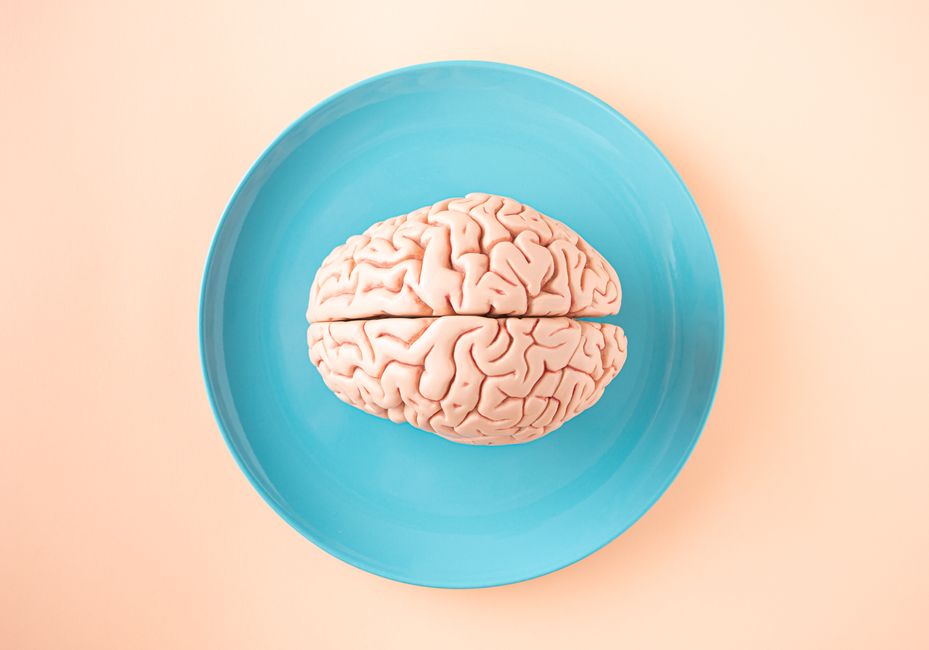
Neuroscientists at San Raffaele Hospital have announced new findings showing that eight weeks of mindfulness meditation can measurably boost parts of the brain linked to emotional regulation in adults aged 25 to 60. The brain scan study, quietly conducted in partnership with Università degli Studi di Milano, tracked increases in the thickness of the prefrontal cortex among regular participants at the hospital’s Mindfulness for Health monthly program.
The announcement comes at a time when Milanese residents are increasingly turning to meditation apps and group classes—often in response to the city’s fast-paced work culture and mounting post-pandemic health anxieties. Whether it’s squeezing in a mid-morning guided session before hitting the Navigli for a caffè, or pausing for audio mindfulness on the tram by Via Torino, the city is seeing a high demand for mental wellness strategies that actually work. Local practitioners say Milan’s appetite for evidence-based practices has never been stronger.
Every Saturday, dozens gather beneath the trees in Parco Sempione for Milano Mindful Mornings, a free community meditation circle first launched last year. The event, coordinated by Spazio Garibaldi77 (a popular wellness centre near Moscova), brings together curious beginners and veteran meditators. Meanwhile, House of Yoga on Ripa di Porta Ticinese has added three new mindfulness-focused classes to their schedule after their enrolment numbers doubled since January 2025. According to their program director, most new sign-ups are over age 35—reflecting a shift toward more mature practitioners seeking sustainable tools for stress and focus.
Even local businesses are getting onboard. Fondazione Cariplo recently funded Mindful Milan, a pilot project to offer meditation breaks for employees in the offices along Corso Magenta. "Companies are beginning to realise productivity starts with wellbeing," a program coordinator noted, citing high attendance. The bustling aperitivo scene might be Milan’s trademark, but these days, a growing number of locals are also making time for silence, breathwork, and stillness.
What actually changes in the brain when you meditate? Researchers at the Università degli Studi di Milano point to decades of MRI studies. One oft-cited meta-analysis in Frontiers in Human Neuroscience (March 2023) found that adults who practiced mindfulness meditation for at least six weeks showed a 4–5% increase in grey matter density in the left hippocampus—the region involved in learning, memory, and regulating emotions. Participants also reported lower cortisol levels, a key stress hormone, and greater subjective wellbeing.
Scientific consensus increasingly supports these findings. In May 2026, the European Brain and Behaviour Society presented evidence that the amygdala—the brain’s alarm centre—tends to shrink with long-term mindfulness practice, reducing overreactions to daily stress. Local neurologists at Ospedale Niguarda confirm the trend: among Milanese patients who attend four or more group sessions a month, they see a “noticeable” improvement in anxiety scores over six months. Typical drop-in sessions cost €12–18 at city studios, though many community centres still offer free or donation-based models.
For those not keen on public classes, the civic libraries in Brera and Porta Venezia stock a wide range of mindfulness guides, and Milan’s public health service (ASST Fatebenefratelli Sacco) now maintains a list of certified mindfulness instructors on its website.
Experts recommend Milanese newcomers begin with small daily practices—five minutes of focused breathing at home in Isola or a lunchtime walk along the Navigli, paying attention to the sights and sounds. For those seeking structured support, organisations like Mindful Milan or Spazio Garibaldi77 run beginner courses year-round. Doctors at San Raffaele stress that, while meditation is not a replacement for medical advice or therapy, it can be a powerful tool for brain health when practiced consistently.
The science is clear: with as little as six weeks of steady mindfulness, tangible improvements in emotional regulation and stress response are likely. For anyone feeling the pressure of city living—or the aftershocks of a demanding news cycle—Milan’s meditation community offers both tradition and science-backed hope. For medical questions or serious psychological symptoms, always consult a local licensed professional before starting any new wellness routine.
How does this story make you feel?
Spread the word
About this article
Published by The Daily Milan
Daily brief
Free, in your inbox before 7am. Weekdays.
More in Wellness