Milan's Financial Sector Braces for Turbulence as Rising Costs and Global Uncertainty Test Investment Appetite
Mounting operational expenses and geopolitical tensions are forcing Milan's banks and investment firms to recalibrate strategies mid-year.
Mounting operational expenses and geopolitical tensions are forcing Milan's banks and investment firms to recalibrate strategies mid-year.
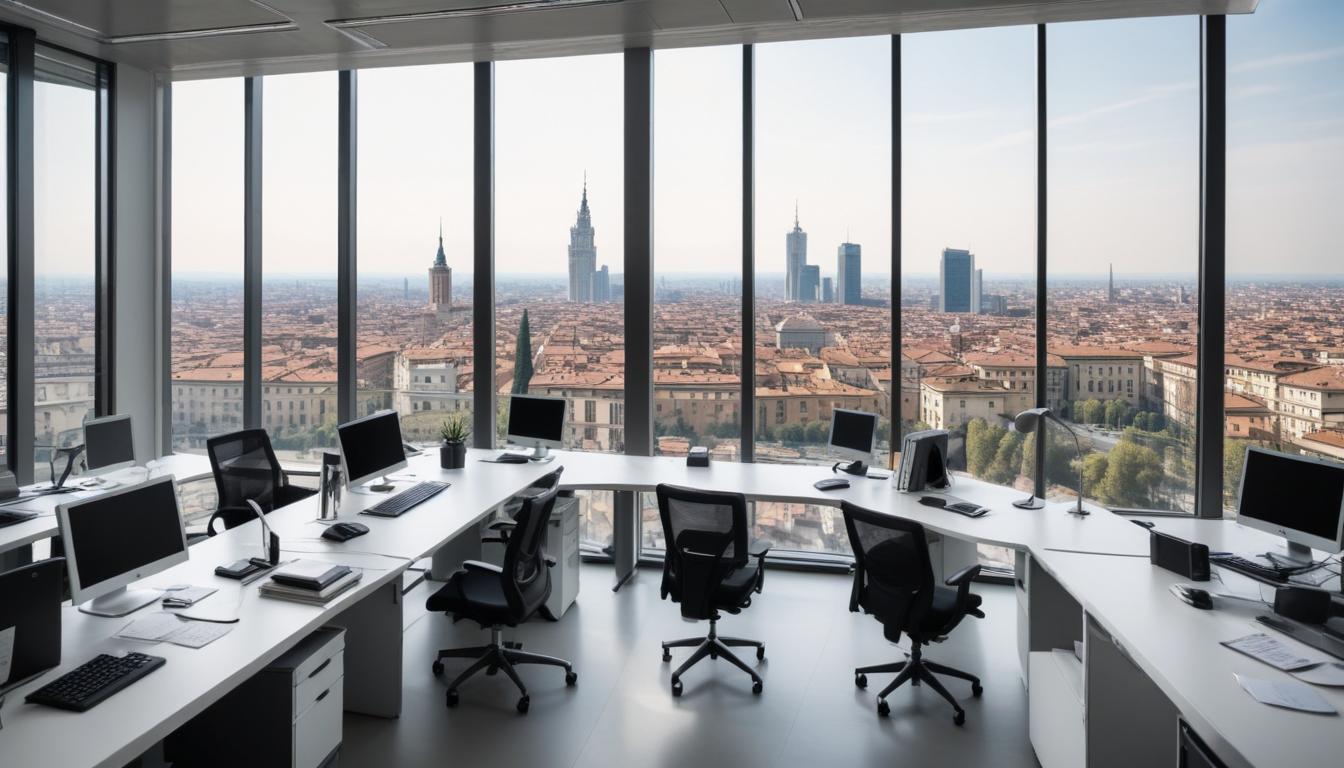
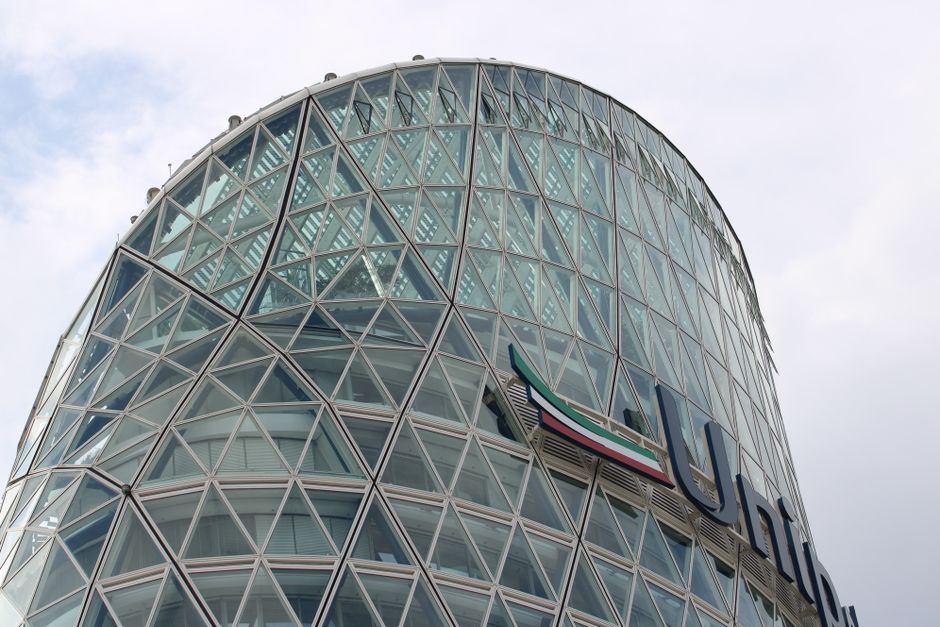
The gleaming office towers lining Via dei Giardini and Corso Venezia tell a story of Milan's enduring status as Italy's financial powerhouse, yet behind the polished façades, anxiety is mounting. As we reach the midpoint of 2026, Milan's investment and banking sector faces a confluence of headwinds that are reshaping outlooks and challenging profit margins across the board.
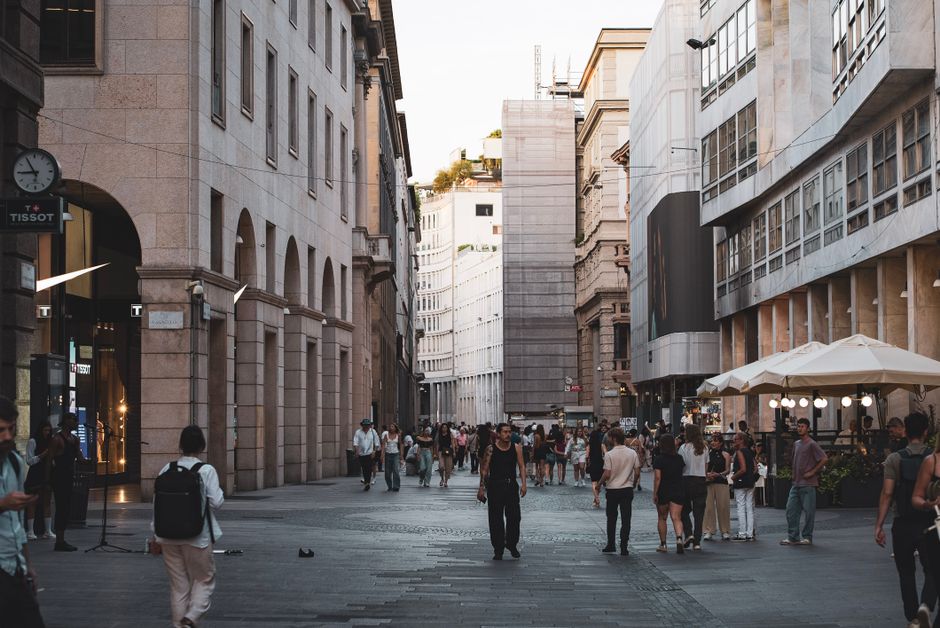
Operational costs in the Brera and Porta Nuova districts—where major financial institutions cluster—have surged by an estimated 18-22 percent since the start of the year, driven by energy expenses, regulatory compliance, and competitive salary pressures. Rent for premium office space near Piazza Gae Aulenti has reached €850 per square metre annually, pricing out smaller advisory firms and forcing consolidation among mid-sized operations. The cost of living squeeze extends to everyday expenses; a working lunch near Stazione Centrale now averages €22-28, a 15 percent increase from last year, eating into disposable incomes for junior traders and analysts.
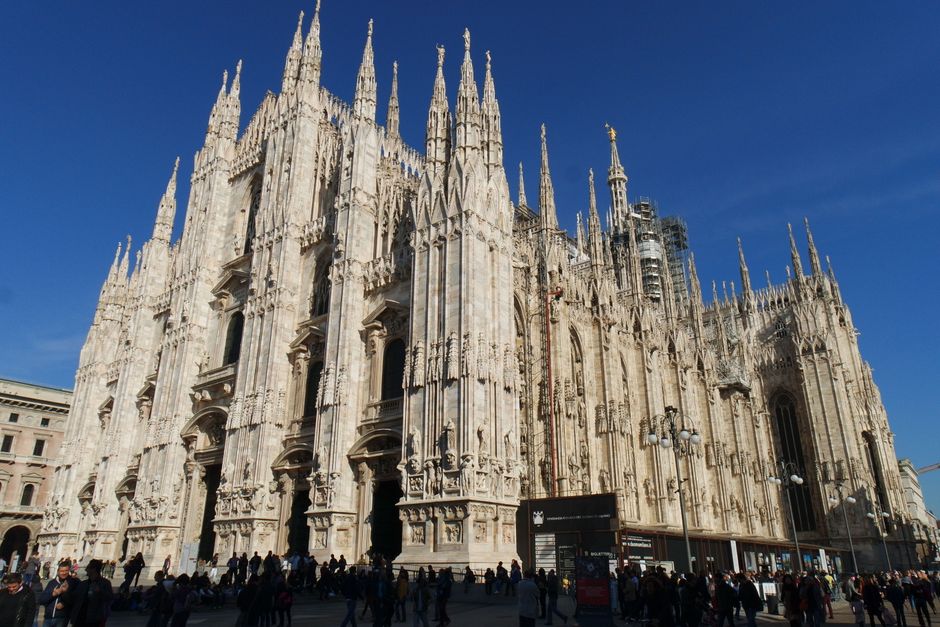
Beyond Milan's borders, global uncertainty is dampening client confidence. The ongoing tensions in the Middle East and continued volatility in emerging markets have made institutional investors cautious about capital deployment. Several prominent wealth management firms headquartered around the Duomo have reported a softening in new mandates, particularly in equities, as high-net-worth individuals park capital in defensive positions.
Regulatory headwinds compound these challenges. Stricter EU sustainability reporting requirements, effective this quarter, have forced Milan's investment houses to overhaul compliance infrastructure. Banking giants with offices in the Isola neighbourhood have earmarked millions for system upgrades and additional staff training, straining budgets already stretched thin.
The residential property market—traditionally a bellwether for investor confidence—has cooled noticeably. Apartment prices in desirable neighbourhoods like Navigli and Porta Venezia have plateaued or declined slightly, signalling hesitation among Milan's usually bullish real estate investors. First-time buyers in particular are priced out, with studio apartments in central locations now commanding €400,000 upwards.
Recruitment has stalled. Leading financial recruiters report that senior positions across asset management and banking remain difficult to fill, as talent explores opportunities in London, Frankfurt, and Singapore where compensation and visa certainty remain more attractive. Brain drain fears are resurfacing in boardrooms across the city.
Yet Milan's financial sector, historically resilient, is adapting. Smaller fintech firms clustering around Zona Tortona are capturing deals that traditional banks are neglecting, while some investment houses are pivoting toward advisory-light, tech-enabled models to reduce overhead. The question facing Milan's financial elite is whether these innovations can materialise quickly enough to offset the structural pressures mounting around them.
This article was compiled by AI from the sources linked above and screened before publishing. See our editorial standards.
How does this story make you feel?
Spread the word
About this article
Published by The Daily Milan
Daily brief
Free, in your inbox before 7am. Weekdays.
More in Business