Milan Tech Startups: 4,200+ Jobs Reshaping Careers
Milan's startup boom—up 67% since 2020—is shifting tech jobs away from traditional fashion and finance. How Navigli and Porta Romana are becoming innovation hubs attracting young talent.
Milan's startup boom—up 67% since 2020—is shifting tech jobs away from traditional fashion and finance. How Navigli and Porta Romana are becoming innovation hubs attracting young talent.
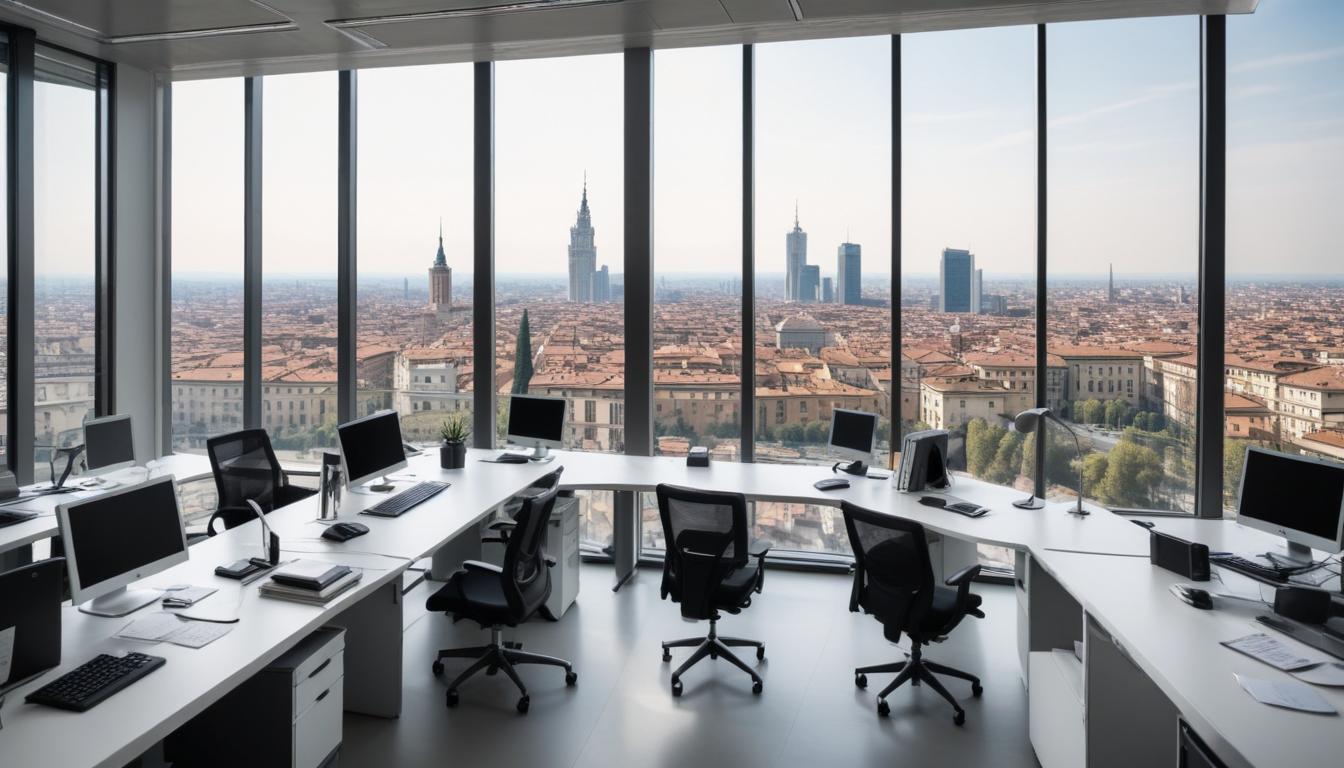
Walk through the Navigli district on any given Tuesday and you'll spot them: clusters of twenty-somethings hunched over laptops in converted warehouse spaces, the walls adorned with startup posters and whiteboards scrawled with pitch deck notes. Five years ago, this neighbourhood was synonymous with nightlife and aperitivo culture. Today, it's become Milan's de facto Silicon Valley—a transformation that's quietly reshaping how the city attracts and retains talent.
The numbers tell a compelling story. According to recent data from the Milan Chamber of Commerce, the city now hosts over 4,200 active startups, up 67 percent since 2020. But more striking than the volume is the concentration. The Porta Romana and Zona Tortona innovation corridors—traditionally craft and design neighbourhoods—now house venture studios, deep-tech accelerators, and AI research labs that are siphoning talent away from Milan's once-dominant luxury fashion sector.
This shift has immediate economic consequences. Entry-level salaries in tech startups have climbed to €28,000-€35,000 annually, competing directly with prestigious fashion houses that once monopolized Milan's brightest graduates. Meanwhile, rents in Navigli and surrounding areas have surged 23 percent over two years, as young professionals cluster near startup hubs and co-working spaces like BASE Milano on Via Bergognone.
"The talent conversation has fundamentally changed," notes the perspective of recruitment professionals operating across Milan's market. Young engineers and product managers—historically recruited from Turin's Politecnico or lured to northern Europe—are now staying put, drawn by equity stakes and the promise of scaling global platforms from Milan rather than relocating to Zurich or Berlin.
But the boom isn't without friction. Traditional sectors—leather goods, textiles, even established financial services—are reporting difficulty filling mid-level roles. Some have begun opening innovation labs within startup zones themselves, tackling what insiders call the "talent arbitrage" problem. LVMH and other luxury conglomerates now maintain startup scouting offices near Corso Como.
The city government has responded. New tax incentives for tech founders and expanded fibre infrastructure in Zona Tortona are designed to anchor this ecosystem. Yet capacity remains constrained: co-working desk availability in prime innovation areas hovers around 12 percent, and commercial real estate agents say landlords are increasingly selective, favouring founders over traditional tenants.
As Milan's startup economy matures—moving beyond e-commerce into biotech, climate tech, and fintech—the city faces a defining question: can it genuinely compete for world-class talent, or will it remain a satellite of larger tech hubs? For now, the job market suggests it's holding its own.
This article was compiled by AI from the sources linked above and screened before publishing. See our editorial standards.
How does this story make you feel?
Spread the word
About this article
Published by The Daily Milan
Daily brief
Free, in your inbox before 7am. Weekdays.
More in Business