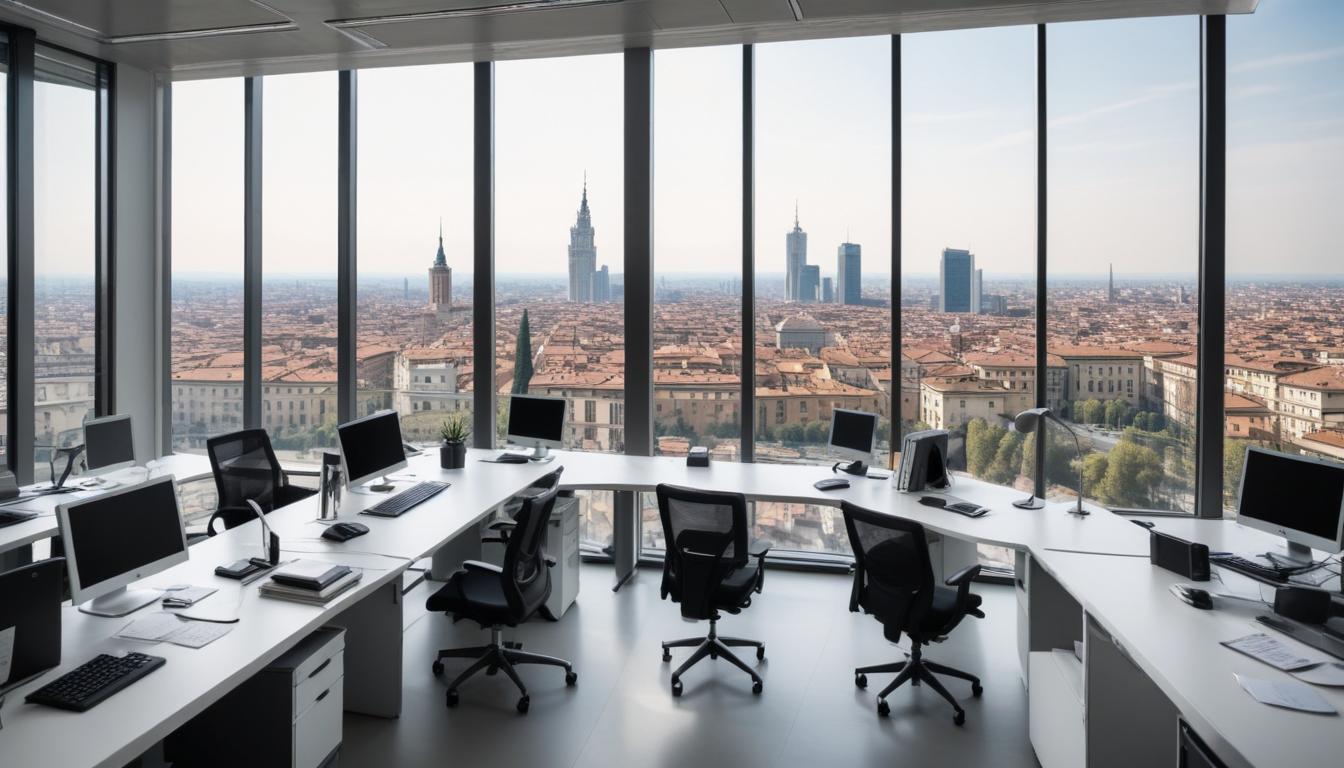
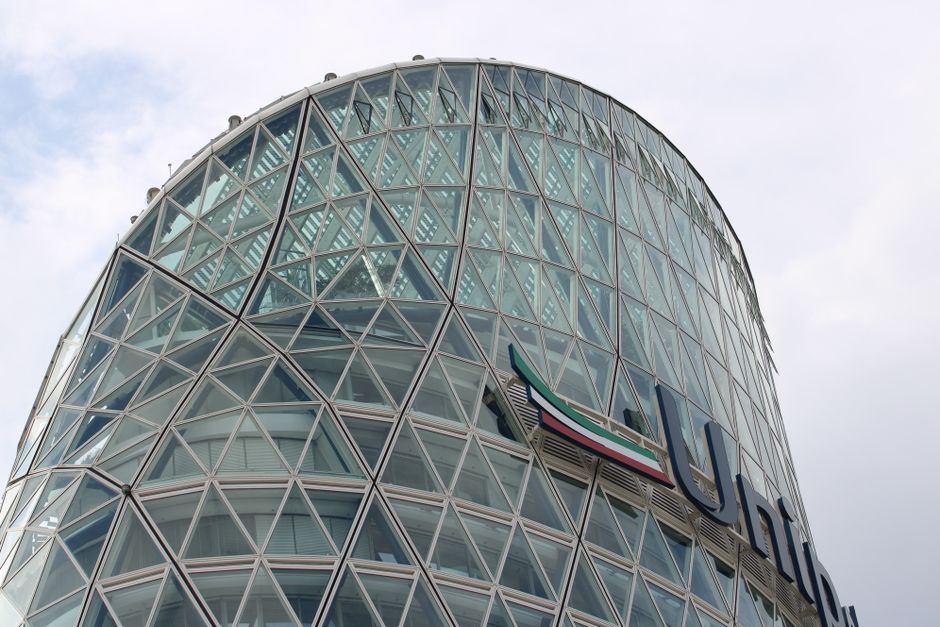
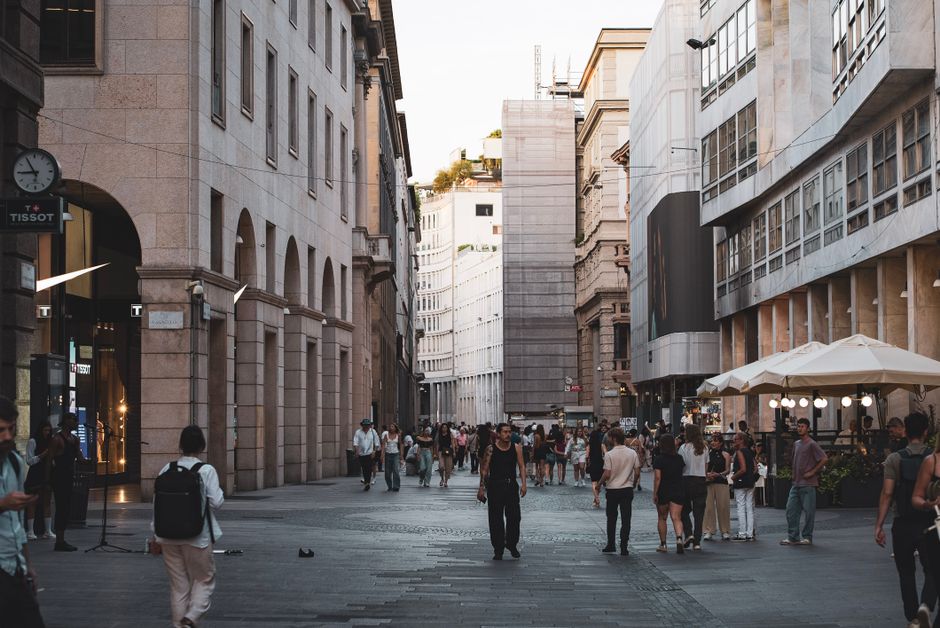
Walking through the offices of Confindustria's Milan branch near the Duomo, the mood is decidedly less buoyant than it was twelve months ago. The chamber's economists are frank: 2026 has become a year of persistent headwinds for a city whose prosperity depends entirely on its ability to move goods, capital, and talent across borders.
Milan's fashion and luxury goods sector—which accounts for roughly 28 per cent of Lombardy's €650 billion economy—is bracing for impact. Tariff uncertainty has already seen several mid-sized manufacturers in the Zona Tortona district postpone expansion plans. One leather goods producer told colleagues his margins had compressed by 4 per cent in the second quarter alone, largely due to unpredictable duties on Venezuelan-sourced materials and shifting import regulations tied to broader geopolitical tensions.
The ripple effects extend far beyond fashion. Port congestion at Genoa, Milan's crucial maritime gateway, has created bottlenecks that are costing exporters an estimated 8-12 per cent in logistics premiums. Chemical manufacturers in the Rho district report that delayed shipments to Iran—previously worth €40 million annually—have simply vanished, as sanctions uncertainty makes clients reluctant to commit to contracts.
"We're seeing a three-tier problem," explains one economist familiar with Chambers of Commerce data. "First, direct geopolitical risk—Pakistan's actions in Afghanistan, Venezuelan instability—these reduce demand in emerging markets Milan has cultivated for decades. Second, currency volatility. The euro's fluctuation against the dollar has made pricing almost impossible for mid-market firms. Third, logistics costs are structurally higher, not temporarily elevated."
Tech companies headquartered in Porta Romana and the Navigli district report similar anxieties. Cloud infrastructure firms cite concerns about data residency rules potentially tightening across trade blocs. Venture capital inflows to Milan's startup ecosystem fell 23 per cent in the first half of 2026 compared to the same period last year, according to preliminary venture data.
The city's chamber of commerce estimates that trade friction could shave 1.5-2 per cent from regional GDP growth this year—a material hit for an economy accustomed to 2.8 per cent annual expansion. Smaller exporters, lacking the hedging tools of multinational corporations, face particular strain.
Yet Milan's business leaders insist adaptability remains the city's greatest asset. Diversification into African markets, nearshoring arrangements with Central Europe, and digital transformation initiatives continue to attract investment. Whether these measures prove sufficient to offset current turbulence will define Milan's trajectory through the remainder of 2026.
This article was compiled by AI from the sources linked above and screened before publishing. See our editorial standards.