How Global Chaos Is Reshaping Milan's Supply Chains—And Your Morning Espresso
From Iranian tensions to African instability, international turmoil is forcing Milanese businesses to rethink everything from sourcing to pricing.
From Iranian tensions to African instability, international turmoil is forcing Milanese businesses to rethink everything from sourcing to pricing.
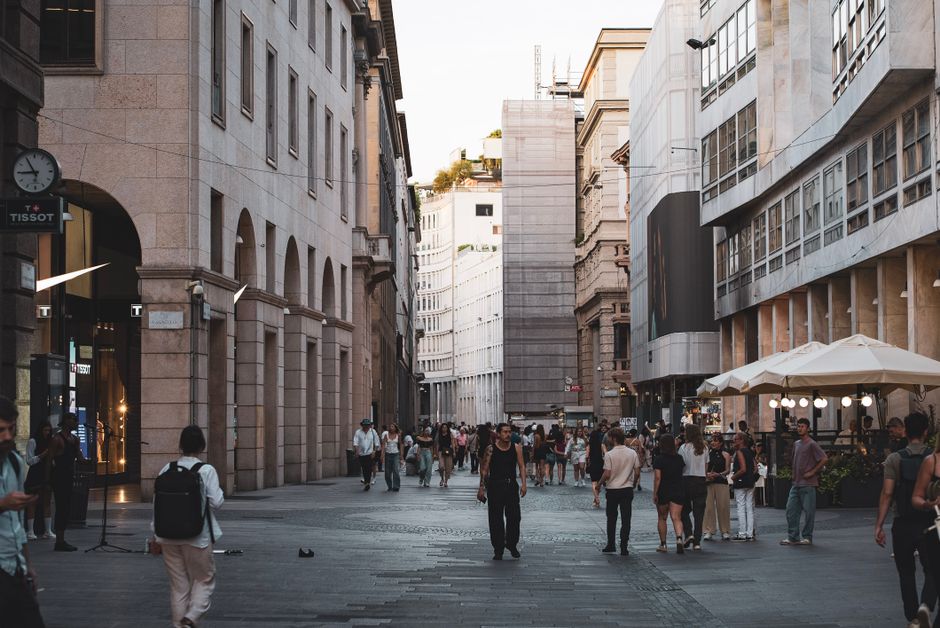
Walk into any espresso bar along Via Torino, and you'll notice the price of a cappuccino has climbed to €2.80—up 15% since last year. The reason isn't local inflation. It's the world falling apart.
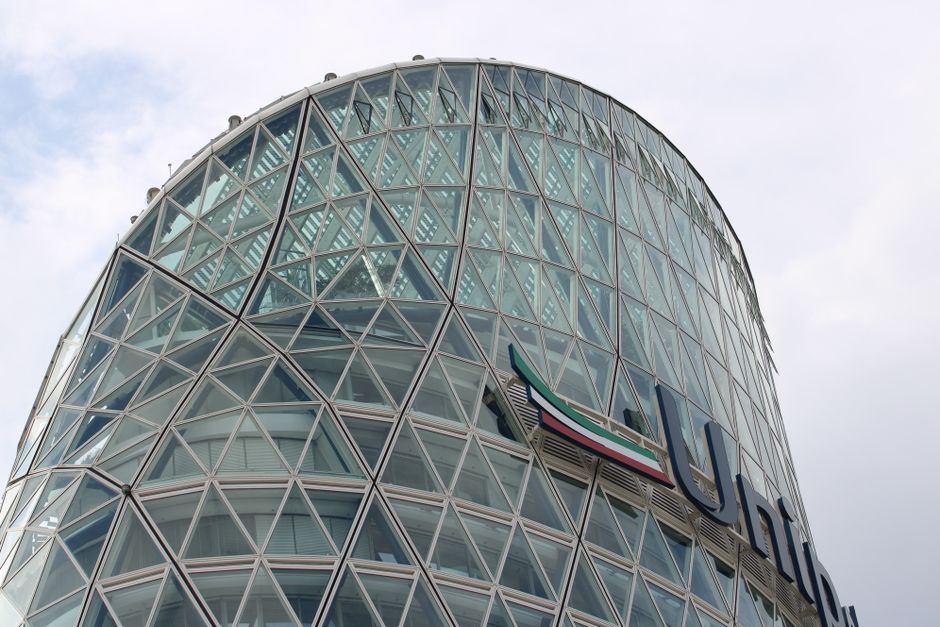
Milan's business community, concentrated in the gleaming towers of Porta Nuova and the sprawling design district around Brera, is grappling with unprecedented global instability. The ongoing tensions between the U.S. and Iran threaten shipping through the Strait of Hormuz, a chokepoint controlling roughly a third of seaborne oil trade. For a city whose fashion and furniture industries depend on just-in-time logistics, this isn't abstract geopolitics—it's a direct hit to margins.
"We're seeing a fundamental recalibration," explains the sentiment echoing through chambers of commerce meetings held at the historic Palazzo dei Giureconsulti in Piazza Mercanti. Manufacturers in the Lambrate industrial zone, traditionally reliant on Iranian and Middle Eastern markets, are quietly exploring alternative trade routes and partners. Some have shifted portions of production to India and Vietnam—a costly pivot that pushes costs downstream.
The Ebola crisis in the Democratic Republic of Congo adds another layer of complexity. Several Milanese pharmaceutical firms with supply chains threading through African ports are implementing costly rerouting measures. Delays that once measured in days now stretch to weeks, forcing companies to maintain larger inventory buffers—dead capital that hits profitability.
Even the city's celebrated fashion sector feels the tremors. Luxury brands headquartered in the quadrilateral around Via Montenapoleone source textiles and materials globally. Political instability in Pakistan, currently affecting trade corridors, has disrupted cotton and fabric imports. One mid-sized atelier owner in Brera noted that sourcing costs have jumped 8-10% in recent months.
Insurance premiums for goods in transit have doubled in some corridors. Shipping companies now demand hazard surcharges for routes through volatile regions. What used to cost €500 to insure across the Mediterranean might now run €800.
The paradox is that Milan's business elite—accustomed to viewing themselves as somewhat removed from global roughness—can no longer afford that distance. Companies are investing in supply-chain redundancy, nearshoring production, and cultivating relationships with alternate suppliers. It's expensive, inefficient, and utterly necessary.
As the summer doldrums settle over the city and power brokers decamp to lakeside villas, the underlying anxiety persists: in an increasingly fractured world, Milan's prosperity depends on stability it no longer controls.
This article was compiled by AI from the sources linked above and screened before publishing. See our editorial standards.
How does this story make you feel?
Spread the word
About this article
Published by The Daily Milan
Daily brief
Free, in your inbox before 7am. Weekdays.
More in Business