Milan's Tourism Boom Creates Gold Rush for Smart Operators as City Rebounds
Post-pandemic surge in visitors is reshaping the visitor economy, with boutique hotels, cultural enterprises and neighbourhood experiences emerging as the real winners.
Post-pandemic surge in visitors is reshaping the visitor economy, with boutique hotels, cultural enterprises and neighbourhood experiences emerging as the real winners.
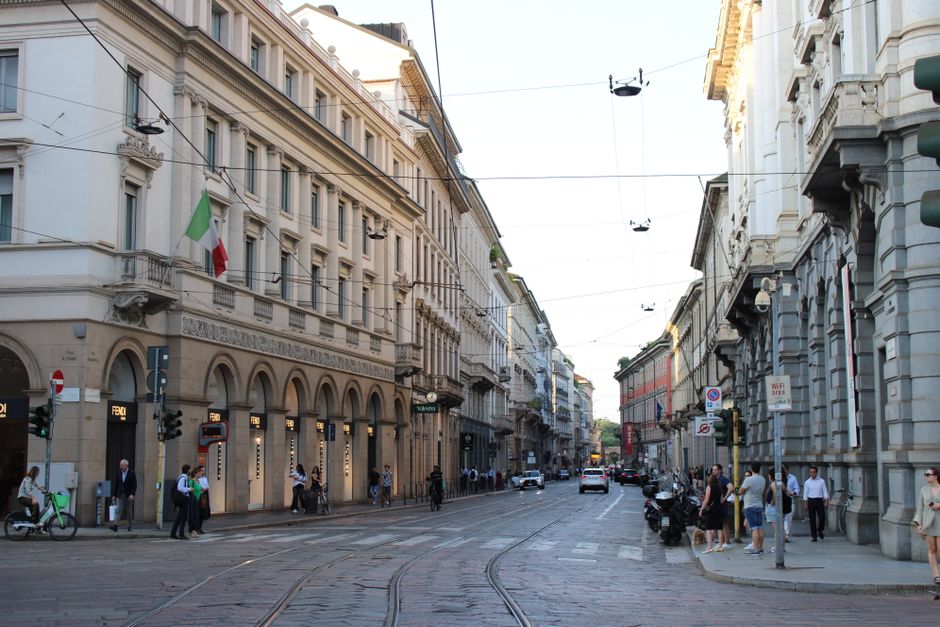
Milan's tourism sector is experiencing a renaissance that extends far beyond the Duomo's marble steps. Data from the Milan Chamber of Commerce shows overnight stays reached 3.2 million in 2025—a 23% increase from pre-pandemic levels—signalling a fundamental shift in how the city attracts and monetises visitors.
The opportunity isn't uniform across the city, however. While flagship luxury hotels near the Cathedral continue to report strong bookings, the real entrepreneurial energy is flowing into neighbourhoods and niche experiences. Boutique hospitality operators in Navigli—where canal-side dining and vintage galleries have become Instagram fixtures—are reporting occupancy rates above 85% through the summer months. Small family-run hotels in Brera, the historic artist quarter north of the city centre, are commanding €150-180 per night, compared to €120 just three years ago.
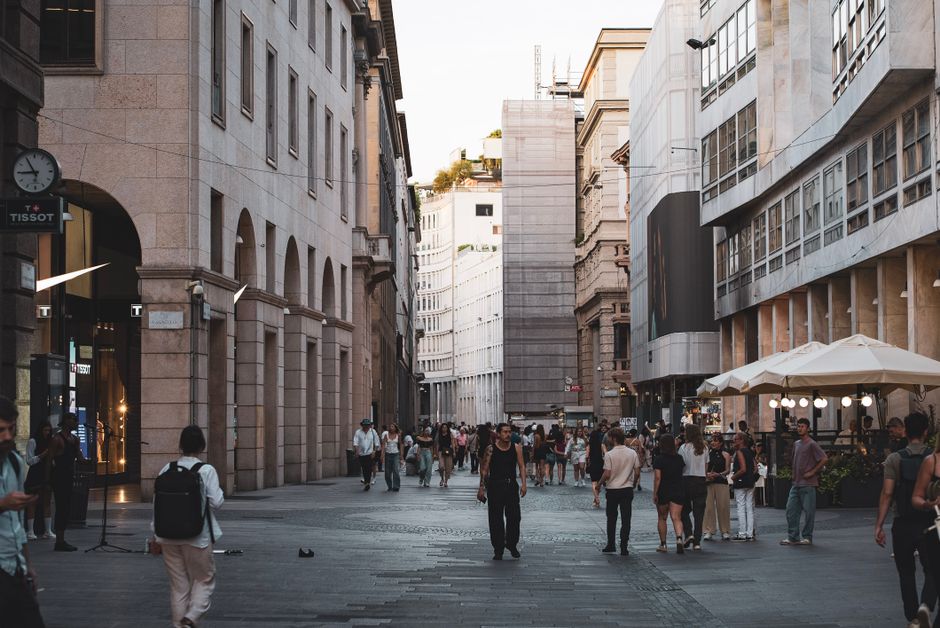
Street-level operators are capturing the shift most visibly. Walking tour companies focusing on Milan's design heritage, industrial past, and contemporary art scene have proliferated. The Triennale di Milano museum reported a 41% surge in visitor numbers year-on-year, while smaller galleries along Via Brera now see queues on weekends. Food and wine experiences—from aperitivo tours through the Quadrilatero d'Oro neighbourhood to Lambrusco tastings in converted warehouses—have become as popular as traditional monument visits.
The Milan Convention Bureau estimates that experiential tourism now accounts for 34% of visitor spending, up from 18% in 2019. This shift rewards operators with local knowledge and authenticity. Small restaurants in Isola, the redeveloped northern quarter, are booked weeks in advance. Wine bars and concept eateries have become destinations themselves rather than mere dining options.
Accommodation-sharing platforms and micro-hospitality operators—apartment rentals and converted artist studios—have captured roughly 18% of the market, a sharp rise from 8% five years ago. Property owners in neighbourhoods like Porta Romana and Navigli are converting residential space into short-term lets at significant margins.
The Comune di Milano's new tourism strategy, unveiled in March, prioritises sustainable visitor distribution beyond the cathedral zone. Investment in signage and infrastructure in secondary neighbourhoods like Lambrate—home to design studios and emerging galleries—reflects official recognition that dispersed, decentralised tourism generates wider economic benefit.
For business operators reading the trend correctly, Milan's visitor economy offers genuine scalability. The advantage belongs to those embracing the city's authentic character rather than chasing conventional tourist circuits.
This article was compiled by AI from the sources linked above and screened before publishing. See our editorial standards.
How does this story make you feel?
Spread the word
About this article
Published by The Daily Milan
Daily brief
Free, in your inbox before 7am. Weekdays.
More in Business