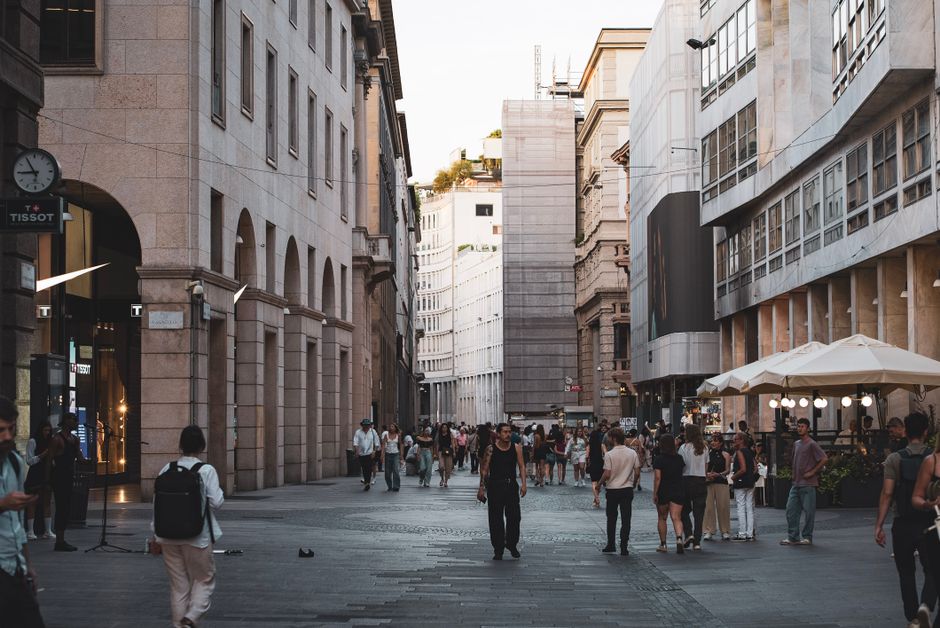
Walk down Via Montenapoleone or through the Navigli district, and you'll notice something familiar: price tags climbing. A cappuccino that cost €1.50 two years ago now runs €2.10. Designer clothing from the showrooms clustered around Brera has become 15-20% more expensive. Even groceries at the markets near Centrale station have jumped noticeably. Most Milanese assume inflation is the culprit. The real story is far more complex—and directly tied to how the world trades.
Milan isn't just Italy's fashion and financial hub; it's a crucial node in global supply chains. The city imports raw materials from Africa and Asia, manufactures goods regionally, and exports to markets worldwide. When international trade rules shift—whether through new tariffs, political tensions between superpowers, or supply route disruptions—Milan's residents feel it immediately in their wallets.
Consider textiles. Milan's fashion industry depends on cotton from West Africa, synthetic fabrics from Asia, and components from Turkey. Rising shipping costs and unpredictable tariffs mean brands factor uncertainty into pricing. A dress that retailed for €180 five years ago now costs €220, not because of domestic Italian inflation alone, but because sourcing that fabric involves navigating an increasingly complicated global puzzle.
The same applies to technology. Electronics retailers along Corso Vittorio Emanuele II stock components manufactured across Southeast Asia. Disrupted shipping routes and trade tensions directly impact inventory costs. A smartphone that sold for €800 in early 2025 now carries a €950 price tag.
What should residents understand? First, local prices reflect global economics. Second, diversification matters—companies overreliant on single sourcing regions face delays and cost spikes. Third, stability in international relations directly affects your daily spending. Political friction between major trading powers doesn't stay abstract; it materializes as higher grocery bills and pricier clothing.
Milan's Chamber of Commerce has noted that local businesses are actively reshaping supply chains to reduce exposure to unstable regions. Some are nearshoring—moving production closer to Europe. Others are building supplier networks across multiple continents. These strategies take time and investment, costs that get passed to consumers.
For the average Milanese, the lesson is clear: global trade isn't distant economics discussed in boardrooms on Via Broletto. It's the reason your morning espresso costs what it does, why a leather jacket from a Navigli boutique commands premium prices, and why grocery budgets stretch differently month to month. Understanding these connections helps residents make informed choices—and perhaps more realistic financial plans.
This article was compiled by AI from the sources linked above and screened before publishing. See our editorial standards.