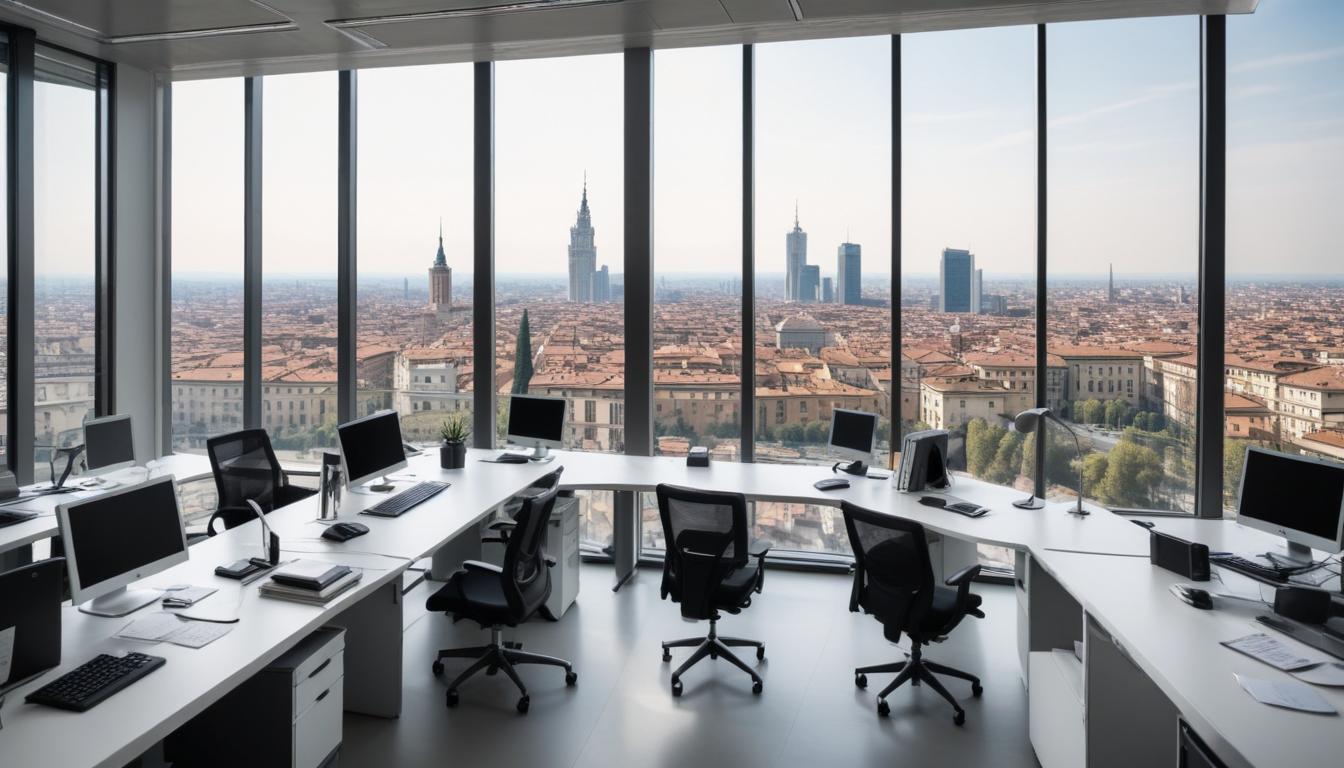
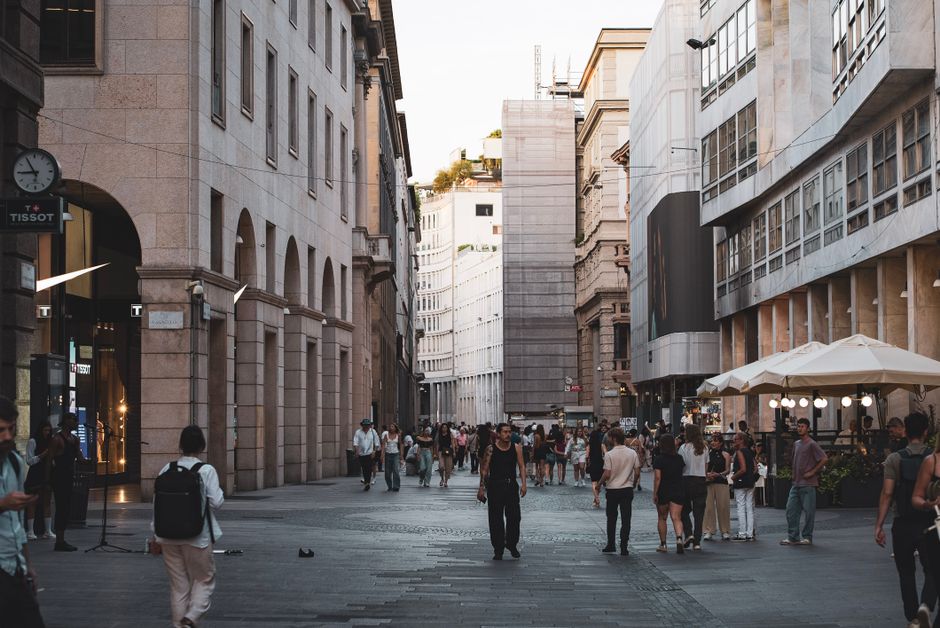
Walk through the Navigli district on any given morning, and you'll see executives from some of Europe's most powerful trading houses hurrying between espresso bars and glass-fronted offices. Yet behind those polished facades, Milan's international trade machinery is grinding under unprecedented pressure.
The headwinds are mounting. Bilateral tensions between Washington and Tehran—now set for new talks in Qatar—are creating unpredictable tariff regimes that Milan's export-dependent firms simply cannot plan around. Italian fashion houses and component manufacturers, which shipped €2.3 billion in goods to Middle Eastern markets last year, are now factoring in contingency costs that squeeze already thin margins.
"The real problem isn't one crisis," explains the thinking at the Camera di Commercio, Milan's chamber of commerce headquartered near Porta Venezia. "It's the accumulation." Regional instability in the eastern Mediterranean and ongoing tensions in South Asia—with Pakistan-Afghanistan hostilities claiming over 30 lives this week alone—are fracturing trade corridors that Milan's supply chains depend on. Shipping insurance premiums have climbed 18 per cent since January, according to industry data.
The manufacturing sector, which accounts for roughly 22 per cent of Milan's GDP and employs over 180,000 workers, faces an additional squeeze. Currency volatility tied to geopolitical uncertainty has made pricing exports brutally difficult. A mid-sized automotive supplier in Rho, typically operating on 6-8 per cent margins, now finds itself absorbing hedging costs that evaporate profitability.
Fashion—traditionally Milan's crown jewel—is not immune. The sector, which generated €17 billion in exports nationally last year, increasingly relies on supply chains stretched across three continents. Disruptions in logistics hubs from Singapore to Rotterdam directly impact the ability to deliver spring collections on schedule. Several luxury brands have quietly begun reshoring production to the Lombardy region, betting that proximity to Milan's design heartland compensates for higher Italian labour costs.
What makes 2026 distinctly challenging is the simultaneity of shocks. Typically, Milan's traders can weather one crisis through diversification or financial hedging. But when geopolitical risk, currency instability, and regional conflicts compound one another, the city's traditional adaptive strength falters.
The Milan Stock Exchange recorded a 12 per cent decline in mid-cap trading volumes this quarter—a telling barometer. Yet seasoned observers note that this moment has produced resilience before. The question now is whether Milan's famed business pragmatism can navigate a year where the global map itself seems to be redrawn daily.
This article was compiled by AI from the sources linked above and screened before publishing. See our editorial standards.