Milan's job market is undergoing a quiet but significant transformation. While headlines focus on global turbulence, a structural shift is reshaping employment prospects across the city's business districts—and some are already benefiting handsomely.
The catalyst: European Union climate mandates and corporate sustainability commitments are creating genuine demand for green technology specialists, circular economy consultants, and environmental compliance officers. Salary data collected by local recruitment agencies shows positions in these fields now command premiums of 15-20% above comparable traditional roles, a gap that has widened notably since early 2025.
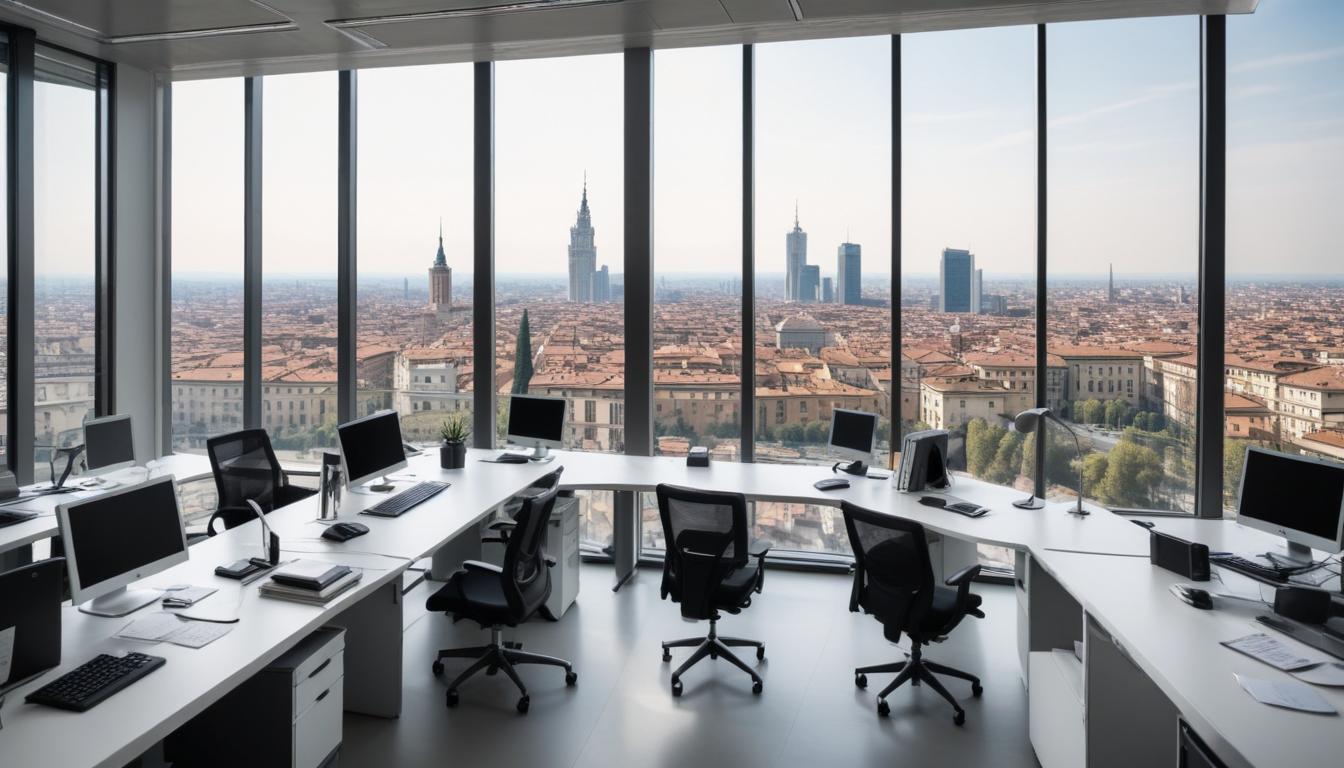
In the Porta Nuova business quarter, where glass-fronted office towers line Via Melchiorre Gioia, several multinational fashion and manufacturing groups have quietly expanded their sustainability teams. These firms—particularly those with supply chains stretching across Europe—are hiring urgently. A mid-level environmental compliance manager at a major fashion conglomerate in the Garibaldi district now typically earns €55,000-€65,000 annually, up from €48,000-€52,000 two years ago.
The opportunity isn't evenly distributed. Workers with dual expertise—understanding both traditional industrial processes and new green technologies—are commanding the steepest premiums. Engineers who can bridge legacy manufacturing with emission-reduction systems, and supply chain professionals familiar with both cost control and carbon accounting, are in acute shortage.
Smaller firms clustered in the Lambrate neighbourhood, historically a hub for design and light manufacturing, are adapting fastest. Several have pivoted toward producing components for renewable energy systems or sustainable packaging solutions. One mid-sized textile firm operating near Viale Montenero has hired seven environmental specialists since January 2026 alone, typically offering €45,000-€50,000 for entry-level roles with growth pathways.
Yet the boom reveals a skills gap. Milan's universities and vocational colleges are struggling to produce graduates fast enough. Professionals retraining via online courses or short-form certifications—particularly those from engineering or business backgrounds—are finding doors open quickly. Workers in their late 30s and 40s pivoting from traditional roles report landing sustainability-focused positions within 3-4 months.
What's emerging is a two-tier dynamic: those positioned early in the transition are capturing wage premiums and career acceleration; those still anchored in conventional roles risk stagnation. The Bocconi School of Management and Politecnico di Milano have both expanded sustainability-focused postgraduate programmes, signalling institutional acknowledgement of the shift.
The Milan job market's green transition remains uneven and early-stage. But for those watching closely—and acting fast—the window for capturing advantage is widening.
This article was compiled by AI from the sources linked above and screened before publishing. See our editorial standards.