Milan's Small Business Operators Face Perfect Storm of Rising Costs and Shrinking Margins in 2026
Energy bills, labour shortages, and weakened consumer spending are squeezing independent retailers and artisans across the city's historic districts.
Energy bills, labour shortages, and weakened consumer spending are squeezing independent retailers and artisans across the city's historic districts.
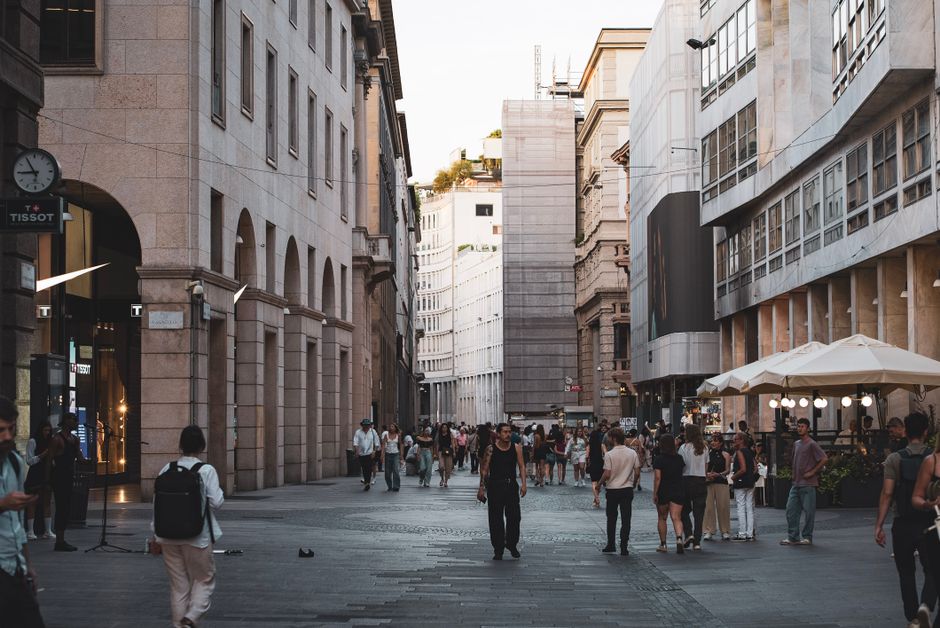
Walk through the Navigli district on any weekday morning, and the mood among shop owners feels noticeably tighter than it did twelve months ago. Espresso bars that once bustled with regulars now count heads more carefully. Leather goods workshops in Brera are operating with skeleton crews. The cheerful entrepreneurship that has long defined Milan's small business culture is giving way to something grimmer: survival mode.
For independent business operators across the city, 2026 has delivered a convergence of pressures that many describe as unprecedented. Energy costs—already elevated following the European supply crisis—have remained stubbornly high. A typical retail operation in central Milan now spends roughly €8,500 monthly on utilities, up 34 percent from 2024 levels, according to data from the Milan Chamber of Commerce. For artisanal workshops, the burden is even steeper, with some heating-dependent operations reporting monthly increases of €3,000 or more.
Labour availability presents a parallel crisis. The pool of younger workers willing to take on retail or craft positions has dried up, pushed toward stable corporate employment or remote work arrangements. A hairdresser on Via Torino reports needing to offer 15 percent above-market wages just to retain a single assistant. Finding skilled furniture restorers or textile artisans—trades that once anchored Milan's identity—has become nearly impossible without offering wages that make many projects financially unviable.
Consumer behaviour has shifted dramatically. While wealthy Milanese still patronise luxury boutiques, the middle-income shoppers who historically anchored neighbourhood businesses are pulling back. The average Milanese household has reduced discretionary spending by 12 percent year-on-year, according to recent ISTAT data. For independent shopkeepers in areas like Porta Venezia and San Babila, this means fewer foot-traffic conversions and longer periods between sales.
Rent pressures, meanwhile, have not abated. Property owners in desirable neighbourhoods remain reluctant to negotiate, leaving small operators caught between rising operational costs and fixed lease obligations. Several long-standing independent retailers have quietly closed over the past six months, with landlords opting to hold spaces vacant rather than accept reduced rates—a counterintuitive strategy that speaks to speculative expectations about future property values.
What distinguishes the current moment is the simultaneity of these pressures. In previous downturns, business owners could absorb one or two shocks. Today, they're absorbing five at once: energy, wages, foot traffic, rent, and reduced margins. For Milan's small business ecosystem, which has always depended on entrepreneurial resilience and community loyalty, that combination is testing limits that many operators fear they cannot exceed.
This article was compiled by AI from the sources linked above and screened before publishing. See our editorial standards.
How does this story make you feel?
Spread the word
About this article
Published by The Daily Milan
Daily brief
Free, in your inbox before 7am. Weekdays.
More in Business