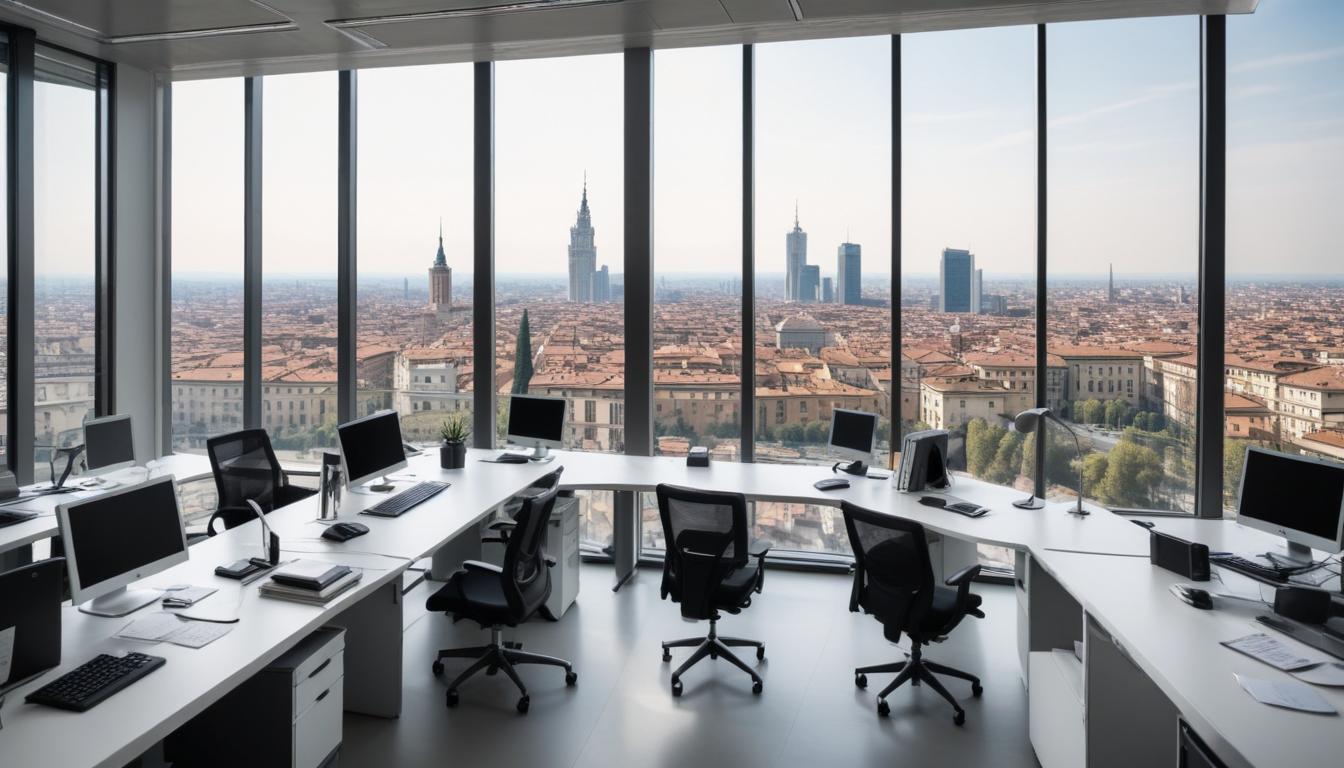
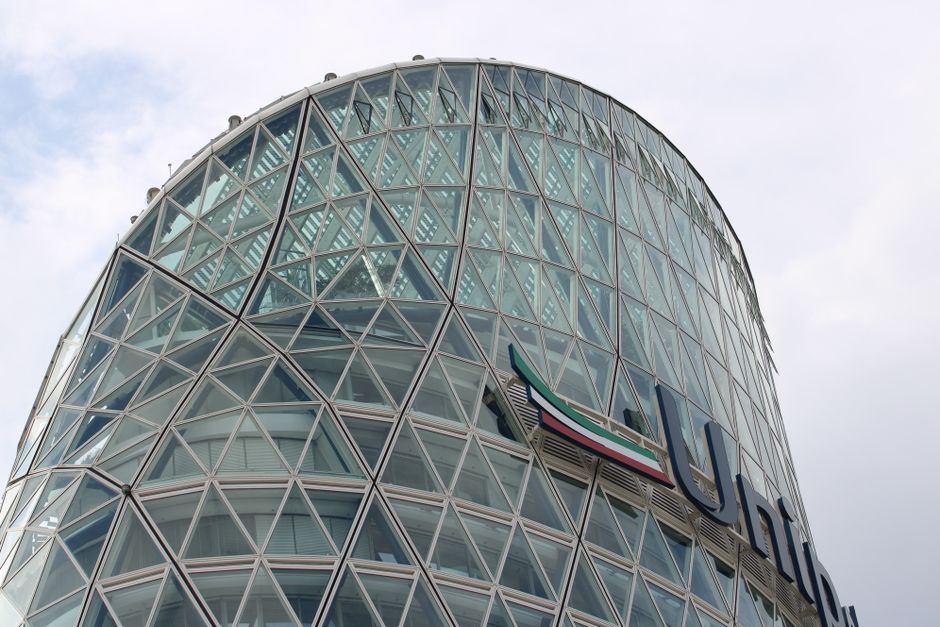
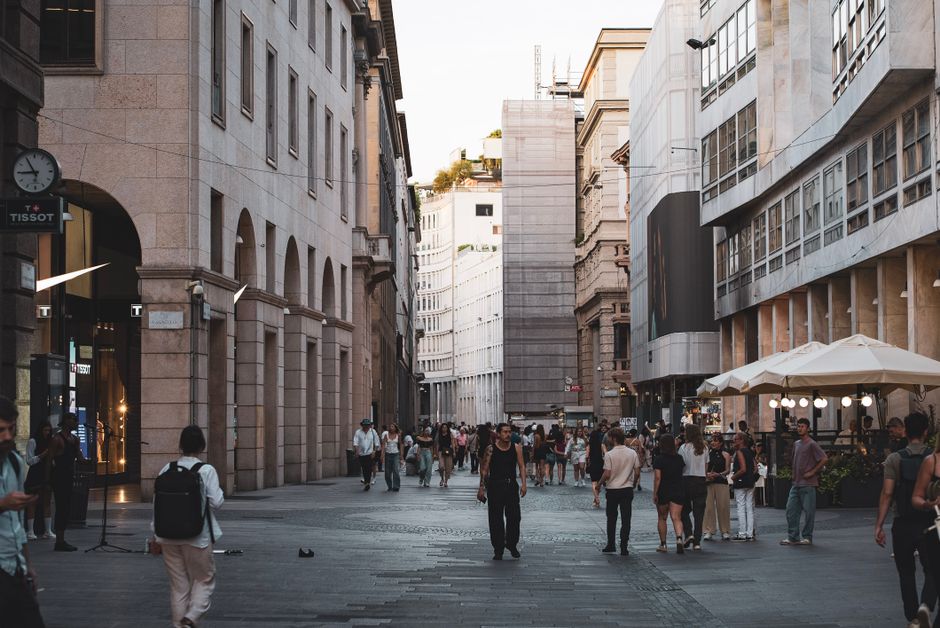
Milan's office market has undergone seismic shifts since 2023. The post-pandemic return-to-office push gave way to a more nuanced reality: companies want flexibility, sustainability, and spaces that attract talent. Into this landscape stepped a handful of forward-thinking entrepreneurs willing to bet big on adaptive reuse rather than new construction.
In the Navigli district, where centuries-old warehouses line the canals, one local property developer has quietly accumulated a portfolio of nine converted industrial buildings—totalling roughly 45,000 square metres of premium office and mixed-use space. The strategy is deliberately counter-cyclical. While competitors chase Porta Nuova and Garibaldi's gleaming new towers, this Milan-based operator has focused on neighbourhood authenticity and operational efficiency.
The math is compelling. Premium office space in central Milan now commands €450–€550 per square metre annually, up from €380 two years ago. Yet navigating that premium requires more than just location. Prospective tenants—particularly tech firms and creative agencies—increasingly demand LEED certification, rooftop gardens, bike storage, and flexible lease terms. The Navigli portfolio delivers all of these, often at 15–20 per cent below comparable new-build rates in hotter zones.
The gamble has paid off. Occupancy across the portfolio sits at 87 per cent, well above the Milan average of 79 per cent, according to Q2 2026 market data. Tenants range from design studios to mid-sized fintech operations, many of which relocated specifically for the character and sustainability credentials these converted spaces offer.
What sets this entrepreneur apart is an unflinching focus on operational detail. Energy audits preceded every renovation. Partnerships with local contractors kept costs predictable. And rather than squeezing maximum density into each building, the approach prioritised communal areas—courtyards, libraries, terraces—that foster cross-tenant collaboration.
The commercial property market in Milan remains robust, with investment volumes exceeding €2.3 billion in 2025. But the era of generic, glass-fronted office towers as a safe bet is fading. Sustainability mandates, remote work normalisation, and younger professionals' desire for liveable neighbourhoods are reshaping investor calculus.
This developer's willingness to see potential where others saw blight—and to execute with discipline—offers a blueprint. As Milan competes with Berlin, Barcelona, and Amsterdam for talent and capital, authenticity and sustainability are no longer nice-to-haves. They're competitive advantages. And in the Navigli, someone understood that early.
This article was compiled by AI from the sources linked above and screened before publishing. See our editorial standards.