Milan's visitor economy is booming. The city welcomed 3.2 million overnight tourists last year, a 22% increase since 2021, according to the Milan Chamber of Commerce. But this growth carries consequences that ripple through daily life in ways locals and travellers alike should understand.
The most visible change is happening in your wallet. A cappuccino in Brera now averages €4.50, double what it cost five years ago. Hotel rates in the Duomo district have climbed 35% in the past two years, pushing accommodation above €180 per night even in mid-range establishments. Restaurant tables within sight of the Galleria Vittorio Emanuele II command premium pricing that has little to do with food quality and everything to do with footfall.
But pricing tells only part of the story. Entire neighbourhoods are being reshaped by tourism economics. Navigli, once a working-class district where families shopped at local greengrocers, now hosts 47 aperitivo bars within a 400-metre radius of the canal. Vintage shops have given way to souvenir outlets. The Zona Tortona, Milan's design district, has seen independent studios displaced by luxury hotel chains and Instagram-focused restaurants.
Public services face strain too. The ATM transport system carries 1.8 million daily passengers—including an estimated 400,000 tourists weekly—pushing metro cars to dangerous capacity during peak hours. City cleaning budgets struggle to keep pace with litter from high-turnover foot traffic.
What should residents and smart visitors understand? First, overtourism has winners and losers. Small business owners without prominent locations suffer as chains dominate premium real estate. Hotel workers and hospitality staff benefit from employment growth, though wage increases haven't matched cost-of-living rises.
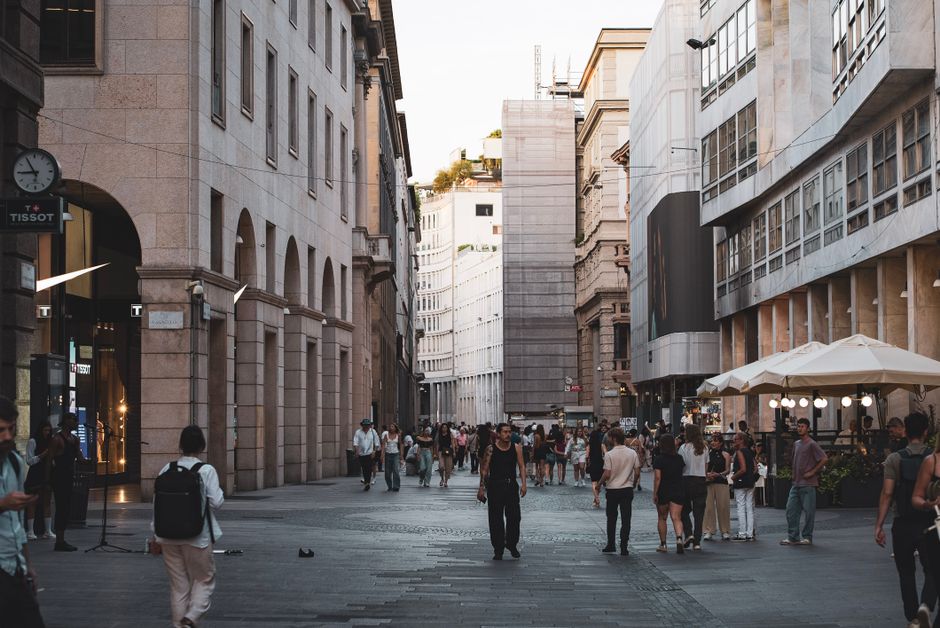
Second, planning your visit matters more than ever. Monumental areas like the Duomo and Sforza Castle have implemented timed-entry systems to manage crowds. Booking restaurants weeks ahead isn't excessive—it's necessary. Taking side streets through Corso Magenta or exploring the Navigli on weekday mornings yields better experiences than battling weekend crowds on Via Tornabuoni.
Third, supporting local means intentional choices. Neighbourhood trattorias in Porta Romana or Isola, independent boutiques along Via Brera, and neighbourhood bars remain affordable refuges where Milan's actual character persists. These establishments need customers who value them over Instagram moments.
Milan's tourism economy generates €4.2 billion annually in direct spending. That's transformative wealth. But transformation requires honest acknowledgement: what's good for visitor numbers isn't always good for resident life. Both can coexist, but only if everyone understands the trade-offs.
This article was compiled by AI from the sources linked above and screened before publishing. See our editorial standards.