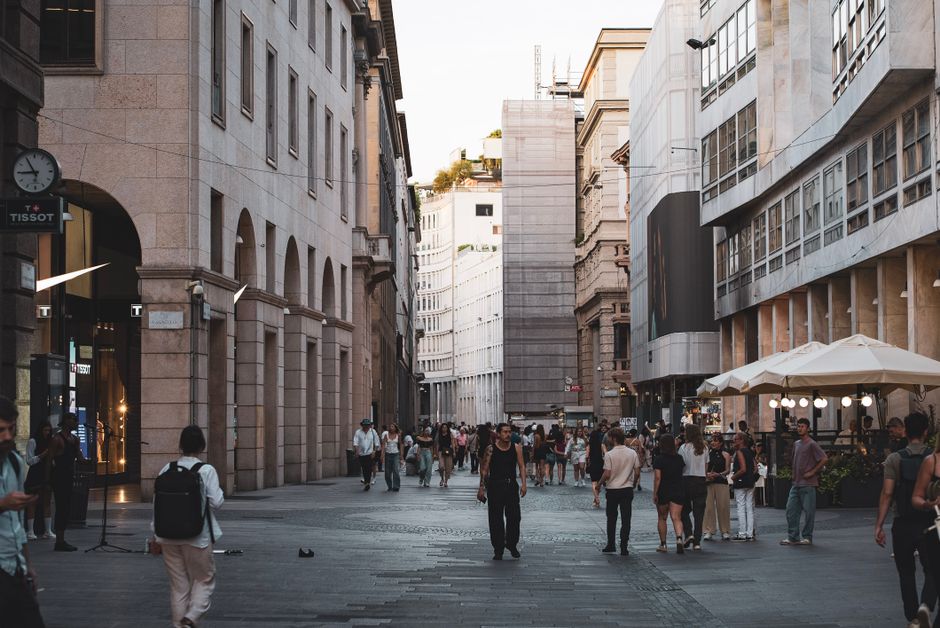
Walk through the Navigli district on any evening and you'll see the paradox that defines Milan in 2026: gleaming new apartment buildings alongside shuttered storefronts, young professionals sipping €5 espressos while older residents quietly calculate whether they can afford next month's utilities.
For Milan's 1.3 million residents, understanding the current financial moment is essential. After years of elevated interest rates designed to combat inflation, the European Central Bank has begun signalling cautious rate cuts. This matters profoundly for anyone with a mortgage or considering one. A typical apartment in Brera, once €8,000 per square metre, has plateaued around €7,500—a correction many hoped for, yet most remain priced out. First-time buyers in neighbourhoods like Isola or Greco still face monthly payments consuming 35-40% of household income, well above recommended thresholds.
Wage growth, however, hasn't kept pace. Milan's median salary has risen roughly 2-3% annually while rental costs in central zones climb 4-5% yearly. A one-bedroom apartment in the Duomo vicinity now commands €1,200-€1,500 monthly—a figure that squeezes young families and service workers into the periphery, extending commute times from the Centrale Station to Rho or beyond.
The investment world has shifted too. Historically, Milanese middle-class savers relied on low-risk bonds and savings accounts. Today's environment demands more sophisticated choices. With inflation moderating but not eliminated, real returns on traditional savings remain thin. Real estate investment trusts and diversified equity funds are attracting attention, yet carry volatility many aren't comfortable tolerating.
Local businesses are feeling the squeeze acutely. The traditional shopkeepers along Via Torino or Via Dante report tighter margins as commercial rents remain stubborn and foot traffic fluctuates. Larger retailers in the Galleria and surrounding luxury zones continue thriving, widening inequality visible even to casual observers.
For everyday Milanese, three truths matter: first, falling rates won't immediately reverse housing affordability; second, wage stagnation means passive savings won't build wealth; third, the financial products available now demand active understanding rather than passive trust.
Consulting a financial advisor—something once reserved for the wealthy—is increasingly valuable for middle-income households. The Milan Chamber of Commerce and consumer protection organisations offer guidance, though awareness remains patchy across neighbourhoods.
Milan remains Europe's financial capital. Yet for residents choosing between saving and spending, between staying central and moving outward, the mathematics have never felt tighter.
This article was compiled by AI from the sources linked above and screened before publishing. See our editorial standards.