What Milan Residents Need to Know About Rising Costs in Restaurants, Cafés and Shops
Hospitality venues across the city are adjusting prices amid labour shortages and supply chain pressures—here's what's changing for your wallet.
Hospitality venues across the city are adjusting prices amid labour shortages and supply chain pressures—here's what's changing for your wallet.
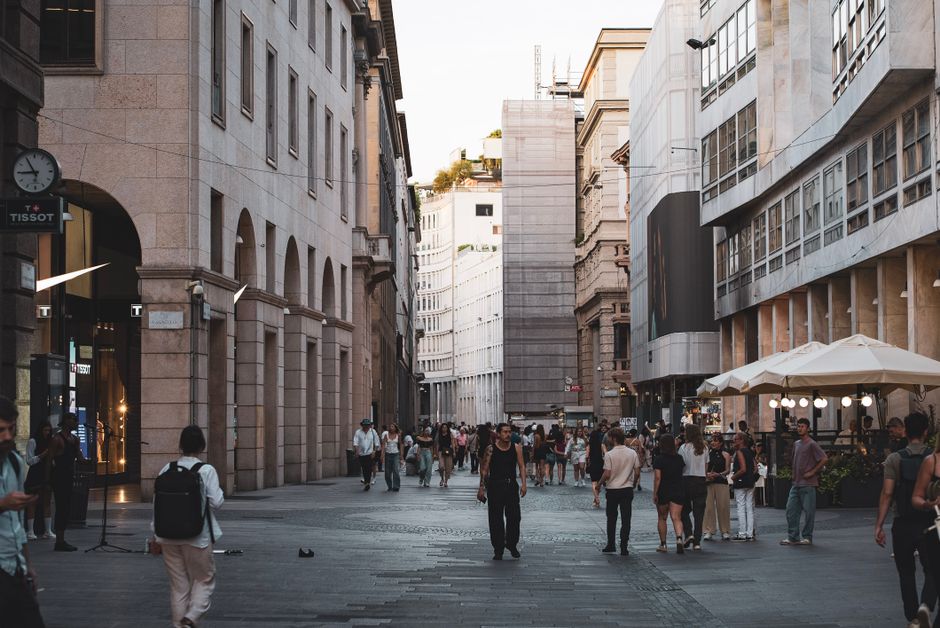
Walk down Via Torino or through the Navigli district these days, and you'll notice something familiar: menus are getting more expensive. For everyday Milanese residents accustomed to grabbing an espresso or lunch in their neighbourhood, the shift is becoming impossible to ignore.
Industry data reveals that Milan's hospitality sector—restaurants, cafés, and retail food outlets—is navigating what operators describe as a "perfect storm." Labour costs have risen approximately 8-12 percent over the past eighteen months, driven by higher minimum wages and difficulty retaining skilled staff. Simultaneously, supply chain disruptions continue to push ingredient costs upward. A cappuccino that cost €1.20 two years ago now averages €1.60 in central areas; a restaurant primo has climbed from €14-16 to €16-20 across most trattorias.
The Milan Chamber of Commerce recently surveyed 340 hospitality businesses and found that 73 percent have raised prices in the past year, while only 28 percent report that customer footfall has remained stable. This creates a genuine squeeze for the city's residents. The average Milanese worker spending €5-7 daily on lunch faces a meaningful cumulative impact on household budgets.
What's less visible is how venues are adapting behind the scenes. Many establishments around Brera and the Duomo area have shifted toward smaller portions, streamlined menus, or reduced table service during off-peak hours. Some independent retailers on Via Montenapoleone and in suburban neighbourhoods like Porta Romana report they're relying more heavily on take-away and delivery models—where margins are tighter but fixed costs lower.
For residents, this landscape suggests several practical realities. Neighbourhood trattorias in outer districts like Navigli or Porta Genova still offer better value than tourist-heavy central locations. Lunch menus—traditionally Milan's best-value dining option—remain competitive, though they've edged upward. Supermarket chains and neighbourhood alimentari continue to offer stable pricing on staple goods, though imported and premium products have seen sharper increases.
Hospitality operators emphasize they're not profit-gouging arbitrarily; most are managing thin margins while trying to survive rising operational costs. Yet for Milanese households already navigating broader economic uncertainty, the cumulative effect on discretionary spending is real. Understanding these shifts helps residents make informed choices about where and how they spend—and perhaps encourages support for independent venues committed to maintaining quality without excessive markups.
The message: Milan's food and hospitality scene remains world-class, but smart shopping and dining choices matter more than ever.
This article was compiled by AI from the sources linked above and screened before publishing. See our editorial standards.
How does this story make you feel?
Spread the word
About this article
Published by The Daily Milan
Daily brief
Free, in your inbox before 7am. Weekdays.
More in Business