For a city that welcomed 9.2 million visitors in 2019 and rebuilt that momentum through 2024, Milan's tourism trajectory in 2026 tells an unsettling story. Hotel occupancy rates across the Quadrilatero d'Oro district—home to the city's most prestigious five-star properties—have slipped to 67 percent, down from a steady 79 percent average just two years ago. Industry insiders are calling it the sector's most challenging period since the pandemic.
The headwinds are multiple and interconnected. Middle Eastern tensions have gutted the lucrative Gulf tourist market; wealthy visitors from the UAE and Saudi Arabia, who once reliably filled the suites at properties along Via Montenapoleone and Via Sant'Andrea, have dramatically curtailed European travel. Hotel managers report cancellations spiking 23 percent year-on-year from this segment alone. Meanwhile, American visitors—traditionally Milan's second-largest source—are hesitant to travel abroad amid domestic political turbulence, with US bookings down 18 percent.
The situation is compounded by logistics chaos. Unrest in Pakistan and Afghanistan has disrupted supply chains affecting Milan's fashion district, while Venezuelan economic collapse has rippled through currency markets, making Milan increasingly expensive for Latin American tourists. The euro, meanwhile, has strengthened against multiple currencies, pricing out budget-conscious European visitors who once formed reliable secondary streams.
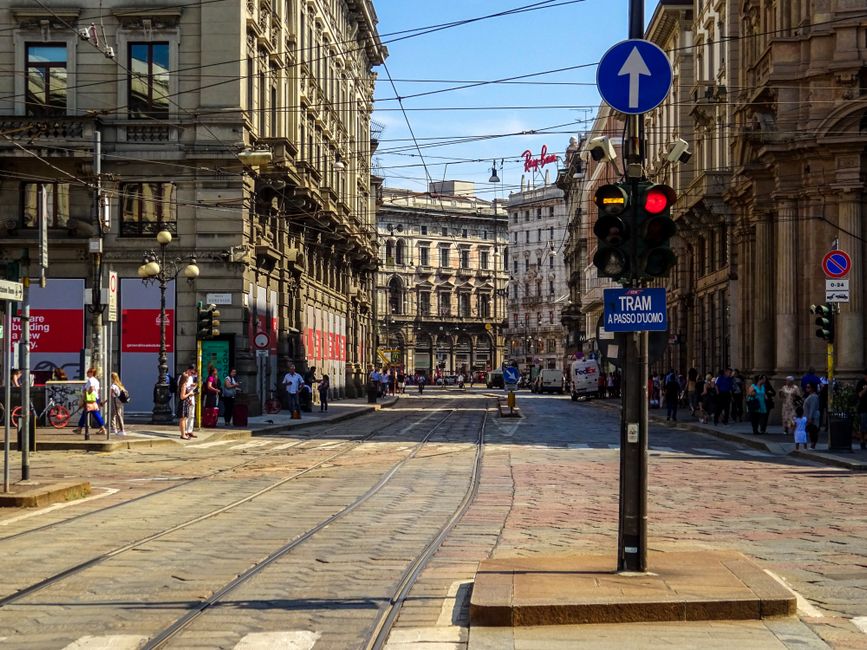
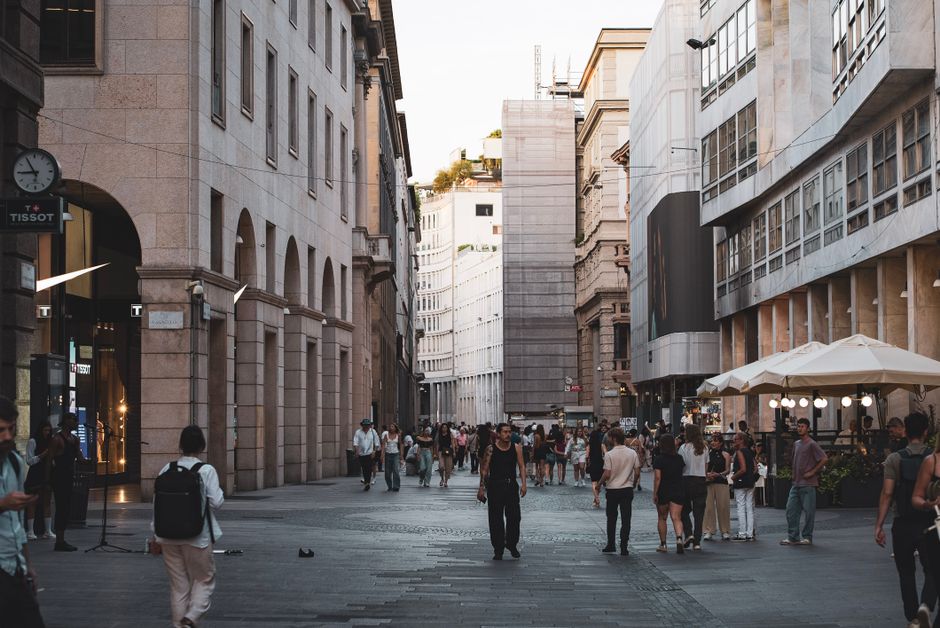
At street level, the pain is visible. Along the Navigli canals—traditionally packed with tourists on summer evenings—restaurant owners report table availability that would have been unthinkable five years ago. Tour operators working from offices near the Duomo are cutting staff; one established firm reduced its workforce by 30 percent in March. Hotel rate wars are intensifying; luxury properties are discounting rooms by 15-20 percent to maintain occupancy, eroding margins that already face inflationary wage and energy costs.
The Expo 2026 scheduled for Milan next year—designed to capitalize on the city's status and drive multi-year tourism gains—now carries added pressure. Rather than a celebratory moment, hospitality executives view it as a last-chance lifeline for a sector hemorrhaging confidence.
Some bright spots exist: cultural tourism remains resilient, with the Pinacoteca di Brera and Gallerie dell'Accademia drawing steady domestic crowds. But Milan's luxury brand—built on affluent international travellers, fashion weeks, and premium experiences—faces an uncomfortable reckoning. For a city accustomed to growth, contraction is a novel and unwelcome reality.
This article was compiled by AI from the sources linked above and screened before publishing. See our editorial standards.