Milan is experiencing a sustained tourism rebound that extends far beyond the traditional cathedral-and-opera circuit. New data from the Milan Chamber of Commerce shows overnight stays reached 8.2 million in 2025—a 23% jump from pre-pandemic levels—and insiders suggest the momentum is accelerating into the second half of 2026.
The shift reveals a telling pattern: visitors are staying longer, venturing beyond the Duomo, and spending differently. This is creating pockets of genuine opportunity for businesses nimble enough to adapt.
Along the Navigli waterways, boutique hotel operators have emerged as clear winners. Where ten years ago the canal-side neighbourhood hosted primarily budget hostels, contemporary properties now command €180–€250 per night, with occupancy rates hovering near 85%. These operators have captured the "Milan Instagram crowd"—affluent millennials seeking design-conscious experiences rather than mass-market tours. Local hospitality consultants note that personalized concierge services and curated neighbourhood walks have become essential differentiators.
The food and beverage sector is seeing comparable gains. Brera's restaurant scene—historically dominated by tourist traps—has been reinvigorated by chef-led, neighbourhood-focused establishments that blend Milanese tradition with contemporary technique. Several venues have expanded seating by 30–40% in the past two years, betting that quality dining now draws consistent crowds. Wine bars around Via Brera itself have become unexpected beneficiaries, with premium bottle selections appealing to a visitor demographic spending €60–€100 per person on evening meals.
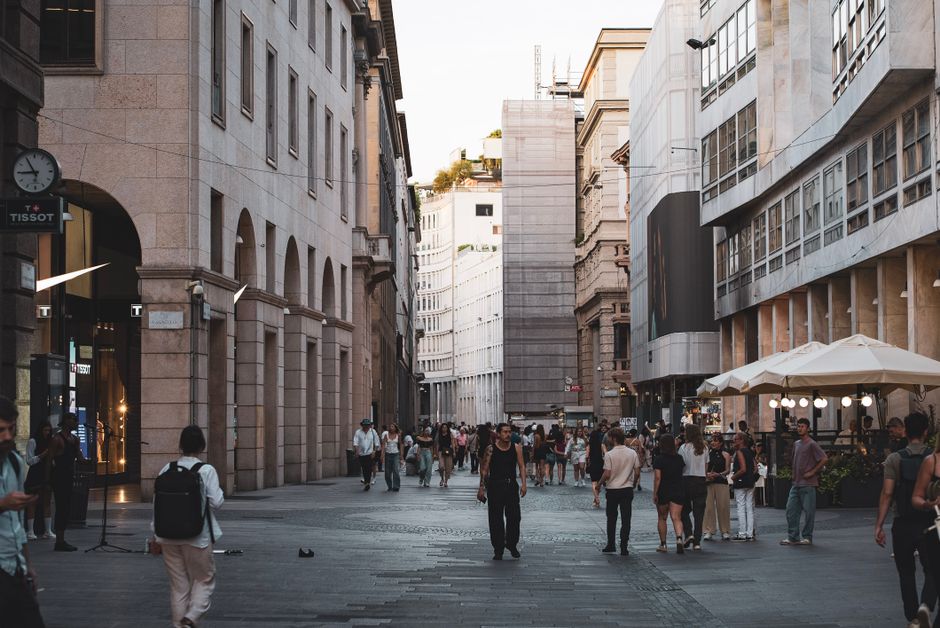
Shopping is undergoing equally striking transformation. While the Golden Quadrilateral (Via Montenapoleone, Via della Spiga) remains a magnet for luxury tourists, secondary shopping streets in Porta Ticinese and around Corso di Porta Romana are attracting footfall that translates into lease premiums. Independent fashion boutiques and design showrooms report that summer 2026 booking calendars are running 40% ahead of the same period last year.
Yet opportunity remains unevenly distributed. Traditional sightseeing operators, tour coaches, and mid-range hotel chains catering to organized groups have seen softer growth. The premium of visitor economy gains is flowing toward properties that can offer authenticity, design credentials, or culinary distinction.
For Milan's business community, the lesson is clear: the city's tourism renaissance is real, but it rewards those who understand that today's high-value visitor seeks experience, not spectacle. Those positioned to deliver that distinction are thriving.
This article was compiled by AI from the sources linked above and screened before publishing. See our editorial standards.