Global Turbulence, Local Tremors: How Milan's Business Elite Navigate a Fractured World
Geopolitical instability and currency volatility are reshaping investment strategies across the Quadrilatero d'Oro and beyond.
Geopolitical instability and currency volatility are reshaping investment strategies across the Quadrilatero d'Oro and beyond.
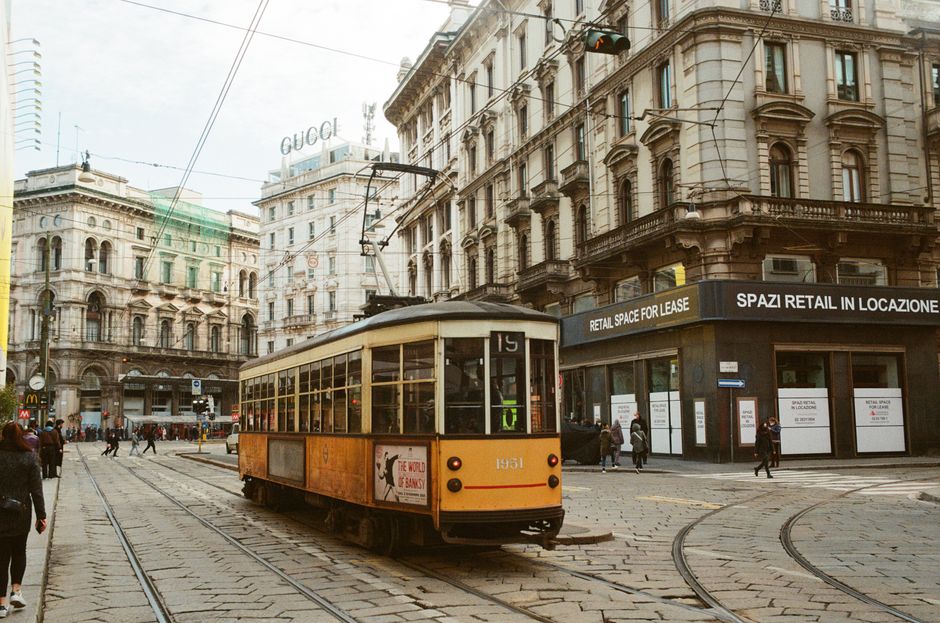
Walk through the marble-floored lobbies of Milan's financial district around Porta Nuova, and you'll find portfolio managers grappling with a reality that transcends spreadsheets: global chaos now directly determines whether a family business survives or thrives.
The past eighteen months have tested Milan's business resilience in ways few anticipated. Tensions in the Middle East have destabilised energy markets, pushing utilities costs in Lombardy up 22% year-on-year for commercial properties. Meanwhile, Venezuelan instability and Pakistan-Afghanistan conflicts have disrupted supply chains that fashion houses along Via Montenapoleone and Via Sant'Andrea depend upon. For luxury goods manufacturers clustered in the Brera district, sourcing materials has become an exercise in geopolitical forecasting.
The numbers tell a sobering story. Commercial rent in the Golden Rectangle now averages €800 per square metre annually—a 15% increase since 2024—as landlords hedge against currency fluctuation and perceived investment risk. Several mid-tier fashion consultancies have relocated operations to Switzerland or Portugal, citing regulatory unpredictability and energy expense volatility.
Yet Milan's traditional strength—diversification—offers a buffer. The biotech cluster around Tecnopolo Milano-Bicocca has attracted €340 million in fresh venture capital this year, with investors viewing pharmaceutical innovation as a hedge against geopolitical uncertainty. "We're seeing capital flow toward resilient sectors," explains the investment landscape in and around Piazza Affari, where equity traders have shifted weightings dramatically toward domestic consumption plays rather than export-dependent manufacturers.
For entrepreneurs on Corso Como or in the creative hubs of Navigli, the challenge runs deeper. A cappuccino in a central café now costs €2.20—up 18% since 2024. Office space in emerging neighbourhoods like Porta Romana commands premiums that squeeze startup margins. Young professionals are relocating to secondary cities; Milan's working-age population in the centre has contracted by an estimated 3% since early 2025.
Real estate investment trusts focused on Milan have posted mixed returns. Prime office conversions into residential units continue apace, reflecting a strategic bet that residential demand will outpace commercial office recovery.
The underlying truth resonates from Bocconi University's business school to the trading floors near Castello Sforzesco: Milan prospers when global capital flows predictably. Today's fragmented geopolitical landscape has made that prediction almost impossible. Smart money is hedging, diversifying, and carefully monitoring whether next month brings stability or another aftershock.
This article was compiled by AI from the sources linked above and screened before publishing. See our editorial standards.
How does this story make you feel?
Spread the word
About this article
Published by The Daily Milan
Daily brief
Free, in your inbox before 7am. Weekdays.
More in Business