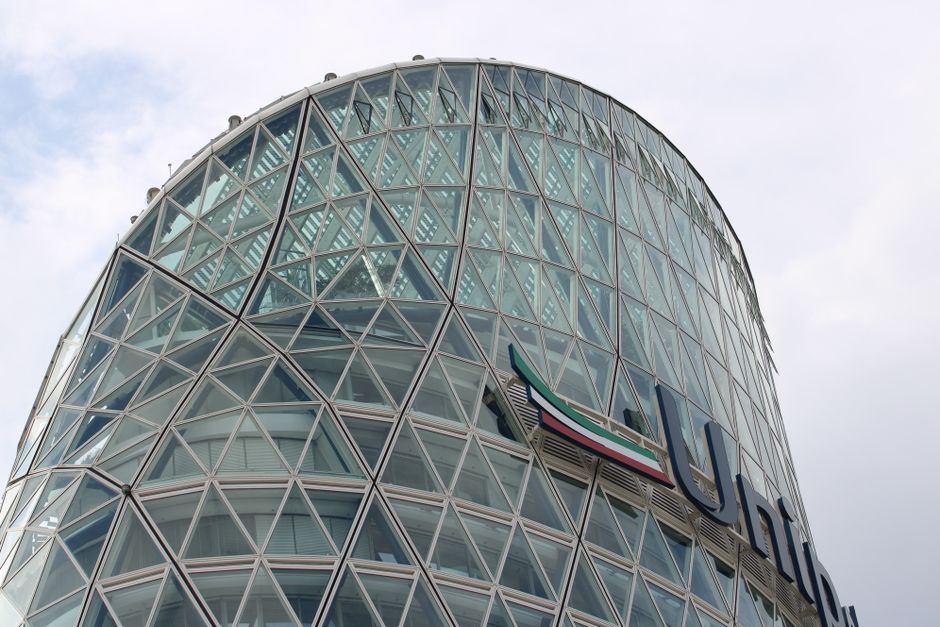
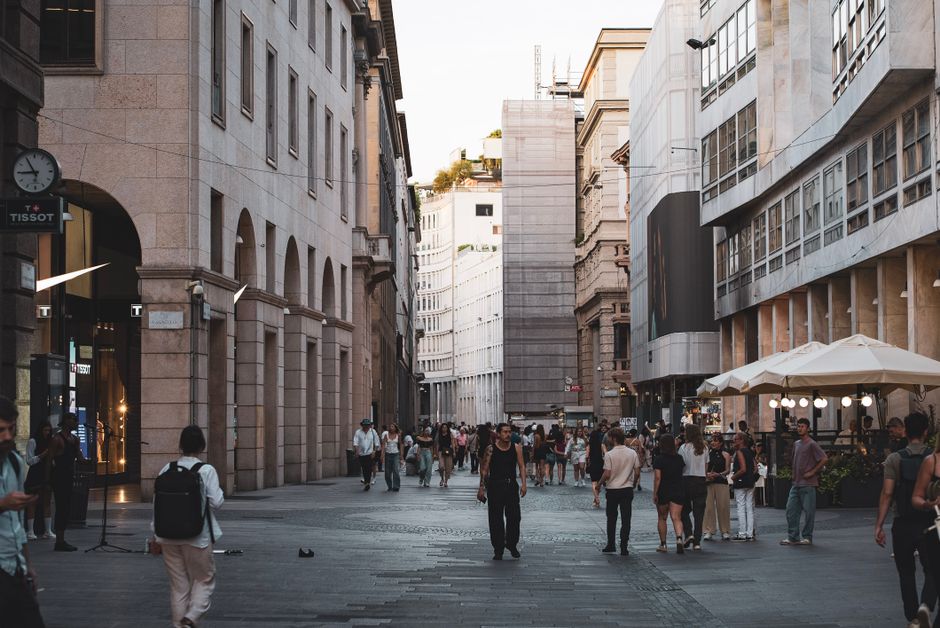
Walk through the gleaming office parks of Porta Nuova or the heritage-lined corridors of Via Montenapoleone, and Milan's business world appears as robust as ever. Yet beneath the surface, recruiters and HR directors across the city are contending with an employment landscape fundamentally reshaped by global uncertainty.
The latest data paints a complicated picture. While Milan's unemployment rate remains steady at 6.2 per cent—below the national average—hiring velocity has slowed noticeably. Executive search firms operating from the financial district near Piazza Affari report that mid-to-senior level placements in logistics, manufacturing, and fintech have dropped by roughly 18 per cent compared to the same period last year. The volatility affecting Middle Eastern oil prices, ongoing trade tensions, and supply chain anxieties stemming from broader geopolitical instability are dampening corporate expansion plans.
"Clients are holding hiring decisions longer, asking for more justification," explains recruitment professionals working across the city's commercial hubs. Companies that once moved decisively on talent acquisition—particularly in sectors like fashion retail, which anchors Milan's economy—are now adopting a wait-and-see posture.
The ripple effects are visible in specific neighbourhoods. Garibaldi Station's corporate district, home to major multinational subsidiaries, has seen several planned office expansions deferred into 2027. Meanwhile, salary growth expectations have cooled. Average salary increases for incoming hires across Milan's professional services sector have contracted to 2.3 per cent, down from 3.8 per cent two years ago.
Yet Milan's diversified economy is proving resilient in pockets. Luxury goods companies—Milan's traditional strength—continue recruiting, albeit selectively. Heritage fashion houses remain confident in long-term demand from Asia-Pacific markets, even as near-term uncertainty clouds their planning. Tech startups clustered around Lambrate and the innovation zones continue hunting for engineering talent, though competition for skilled workers has intensified.
Hospitality and tourism roles near the Duomo and Sforza Castle remain relatively buoyant, with Milan's position as a global travel destination providing steady employment demand. Yet even here, hiring managers report more cautious budgeting.
What emerges is a Milan economy adapting to an era where local business decisions increasingly hinge on global forces beyond the city's control. The question facing employers in the coming months: does this caution represent a temporary recalibration, or the beginning of a more sustained retrenchment?
This article was compiled by AI from the sources linked above and screened before publishing. See our editorial standards.