From Navigli to the World: How One Milan Hotelier Built Europe's Fastest-Growing Boutique Chain
A homegrown entrepreneur is reshaping Milan's visitor economy by betting on authentic, locally-rooted experiences over mass-market tourism.
A homegrown entrepreneur is reshaping Milan's visitor economy by betting on authentic, locally-rooted experiences over mass-market tourism.
Walk along the Navigli canals on a summer evening and you'll spot the discreet brass plaques marking what has become Milan's most talked-about hospitality venture. Over the past four years, a boutique hotel collective born in the heart of Porta Ticinese has grown from a single 18-room property into a network of eight properties across northern Italy, each designed to tell the story of its neighbourhood rather than erase it.
The growth reflects a broader shift in how Milan attracts visitors. Post-pandemic tourism figures show that city breaks to Milan have climbed 34 percent since 2022, according to Milan Chamber of Commerce data, yet the character of those visitors has changed. Rather than chasing the high-volume, low-spend daytrippers who once dominated, savvy local operators are targeting longer stays, higher spending guests who want to live like Milanese, not tourists.
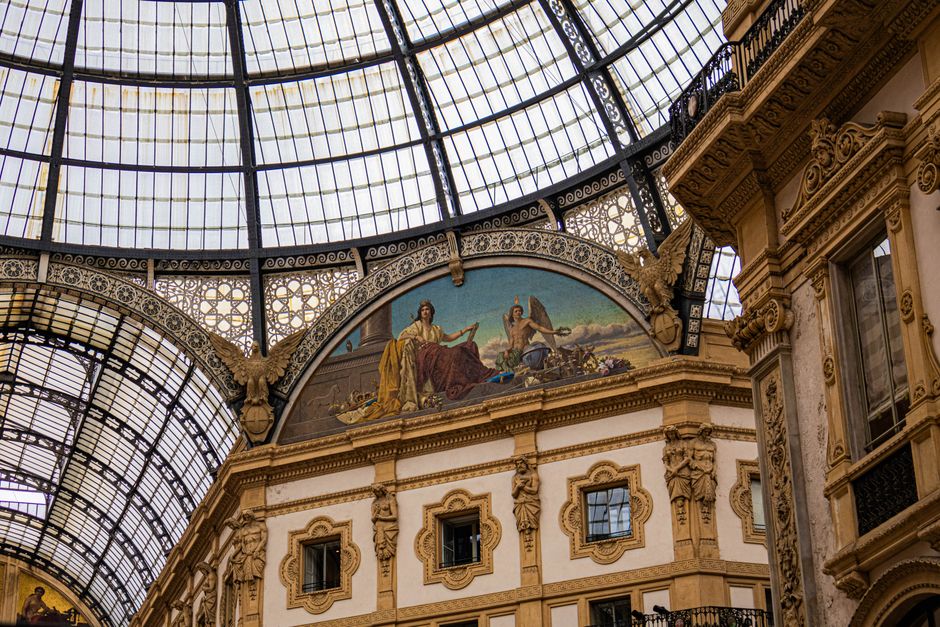
This philosophy underpins the expansion we're seeing in neighbourhoods beyond the Duomo-Galleria axis. Brera, Isola, and emerging pockets like the Tortona Design District are attracting serious hospitality investment. One recent study by the Regional Tourism Board found that travellers staying in Milan's residential neighbourhoods spend 23 percent more per night than those in central locations—and crucially, they spend more in local restaurants, bookshops, and independent retailers rather than international chains.
The numbers tell a compelling story. Milan welcomed approximately 4.2 million overnight stays in 2025, up from 3.8 million in 2023. Average length of stay has inched upward to 2.4 nights. Hotel occupancy rates in the city centre hovered around 72 percent this spring, healthy figures that suggest the market can absorb new inventory without descending into a race to the bottom on pricing.
What's particularly striking is the investment pattern. Rather than see the visitor economy as a zero-sum game between hotels and the residents who actually live here, the most successful operators are deliberately weaving themselves into the civic fabric—hosting photography exhibitions, partnering with local culinary schools, sponsoring neighbourhood events.
This approach faces real headwinds. Housing costs continue to climb, driven partly by short-term rental pressure. City councillors remain locked in debate about second-home taxation and visitor caps. Yet the data suggests Milan has found a middle path: growing the visitor economy without surrendering the very character that makes the city worth visiting in the first place. For entrepreneurs willing to invest in authenticity, the opportunity has never been clearer.
This article was compiled by AI from the sources linked above and screened before publishing. See our editorial standards.
How does this story make you feel?
Spread the word
About this article
Published by The Daily Milan
Daily brief
Free, in your inbox before 7am. Weekdays.
More in Business