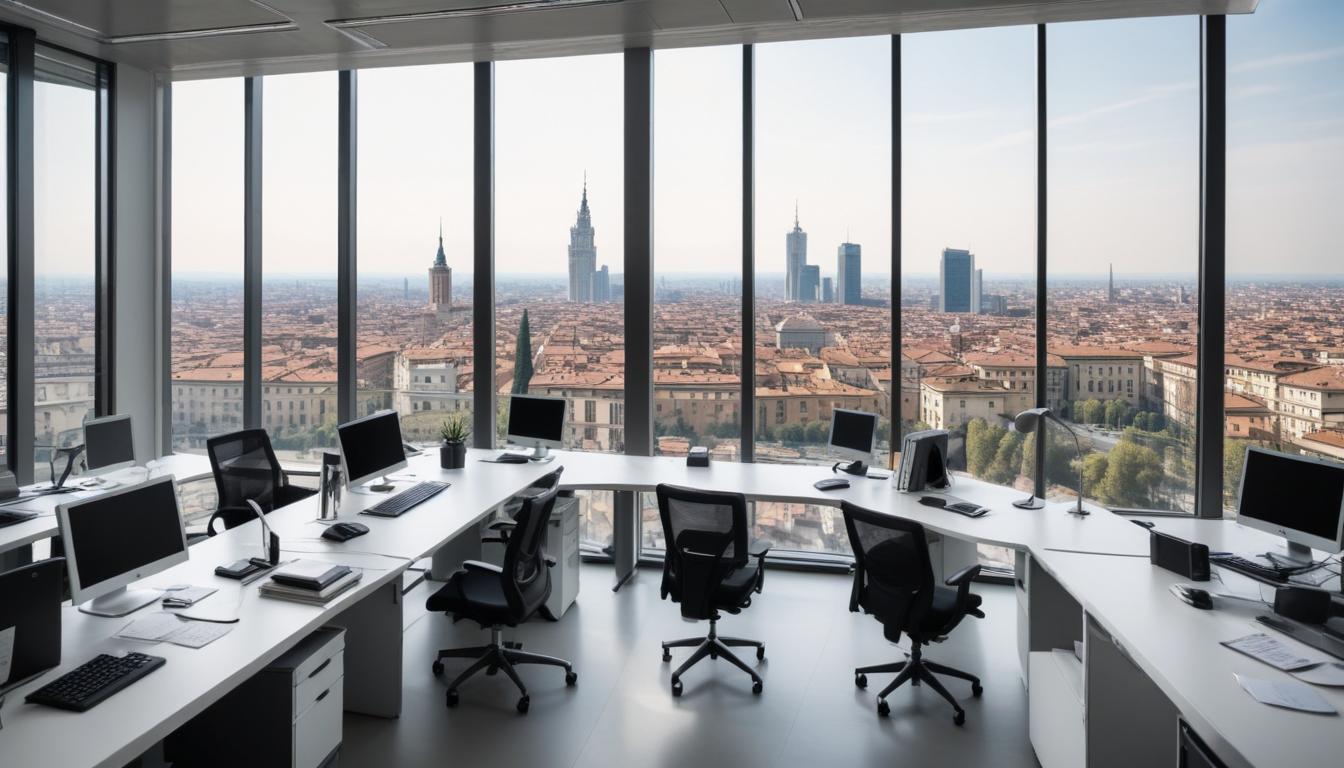
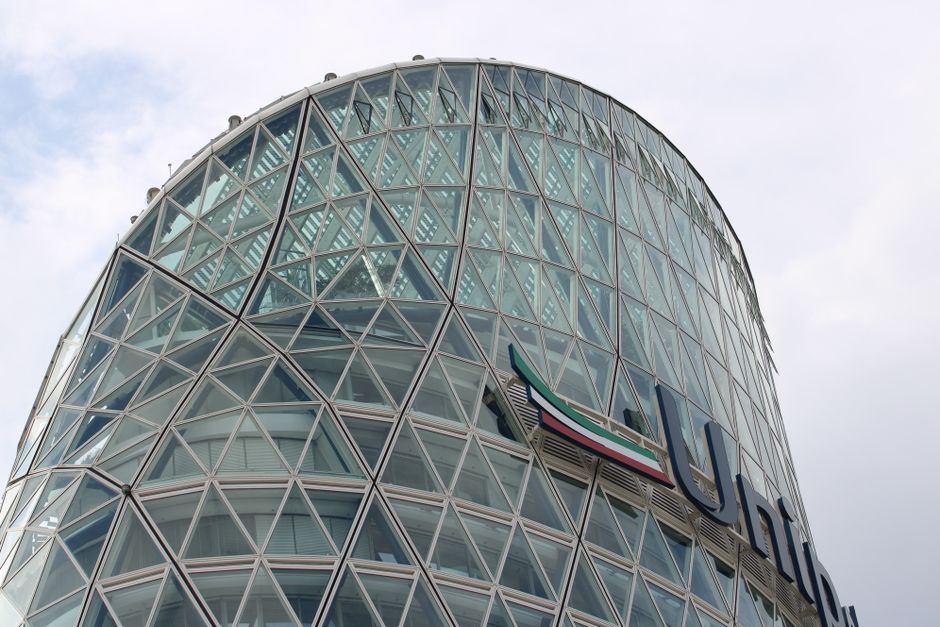
Milan's startup surge hits a crossroads: what entrepreneurs need to know as funding tightens and talent wars intensify
Rising rents in Zona Tortona and shifting investor priorities are reshaping how founders build in Italy's innovation capital.
Rising rents in Zona Tortona and shifting investor priorities are reshaping how founders build in Italy's innovation capital.
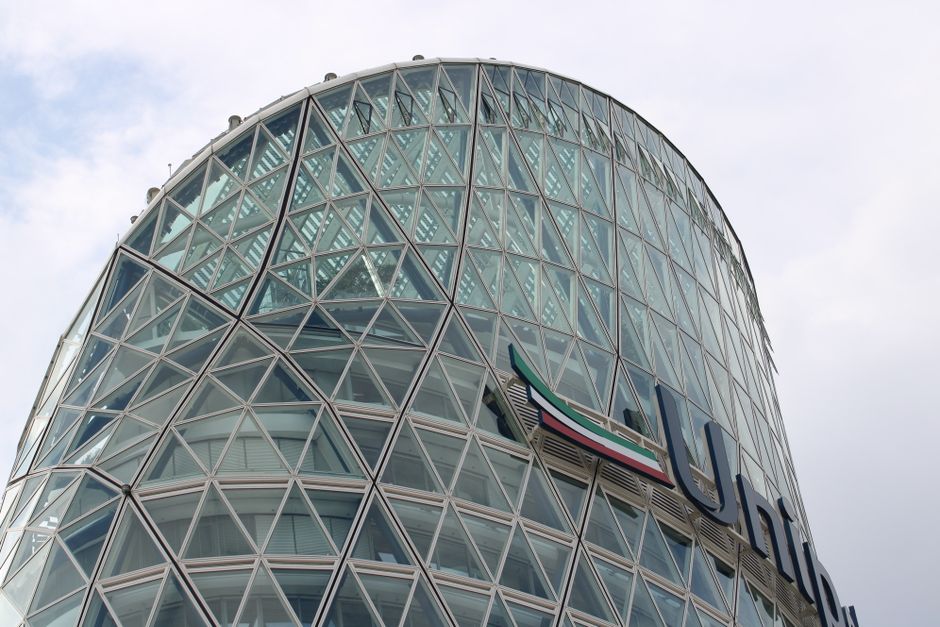
Milan's startup ecosystem is entering a new phase. After years of rapid growth fuelled by venture capital optimism and generous government incentives, the city's innovation districts are facing a sobering reality: capital is becoming more selective, operating costs are climbing, and the competition for engineering talent has never fiercer.
The numbers tell the story. Commercial rents in Zona Tortona—Milan's de facto innovation hub—have climbed approximately 18% year-over-year, pushing monthly rates toward €25-28 per square metre for office space. Meanwhile, early-stage funding rounds across Northern Italy declined 22% in the first half of 2026 compared to the same period last year, according to preliminary data from Italian venture capital trackers. The gold rush, it seems, has cooled.
Yet opportunity persists for founders willing to adapt. The shift represents a maturing market where profitability and sustainable unit economics matter more than burn rates and user growth alone. Investors scanning pitches from Brera to Navigli are increasingly favouring companies with clear paths to revenue and evidence of product-market fit—not just promising demos.
What's driving this recalibration? Rising interest rates have made capital more expensive globally. Several large European VCs have tightened deployment across Italy, and corporate venture arms have become more cautious. Simultaneously, the competition for developers, machine learning engineers, and product designers has intensified. Tech salaries in Milan are up 12-15% across senior roles, talent retention rates are slipping, and relocation to Berlin, Amsterdam, or remote-first setups is luring experienced builders away.
Smart founders are adapting. Some are decamping from premium Tortona offices toward more affordable neighbourhoods—Lambrate and Greco offer comparable infrastructure at 25-30% lower cost. Others are embracing hybrid and fully remote arrangements to compete with bigger tech companies for talent. A few exceptional teams are pursuing alternative funding: grants from Fondazione Cariplo, government innovation tax credits, and strategic partnerships with established corporates in Milan's manufacturing and design sectors.
The lesson for the ecosystem: bootstrap discipline, geographic flexibility, and realistic timelines are the new competitive advantages. Milan's startup scene remains robust—the city still hosts more registered tech companies than Rome or Turin—but the era of easy capital and land-grab mentality is behind us. Founders who can build lean, sell early, and retain their teams will thrive. Those betting on continued capital abundance should recalibrate expectations now.
This article was compiled by AI from the sources linked above and screened before publishing. See our editorial standards.
How does this story make you feel?
Spread the word
About this article
Published by The Daily Milan
Daily brief
Free, in your inbox before 7am. Weekdays.
More in Business