Why Your Local Navigli Shopkeeper's Survival Matters More Than You Think
As Milan's small retailers face mounting pressure from e-commerce and rising rents, understanding their economics is crucial to preserving the city's neighbourhood character.
As Milan's small retailers face mounting pressure from e-commerce and rising rents, understanding their economics is crucial to preserving the city's neighbourhood character.
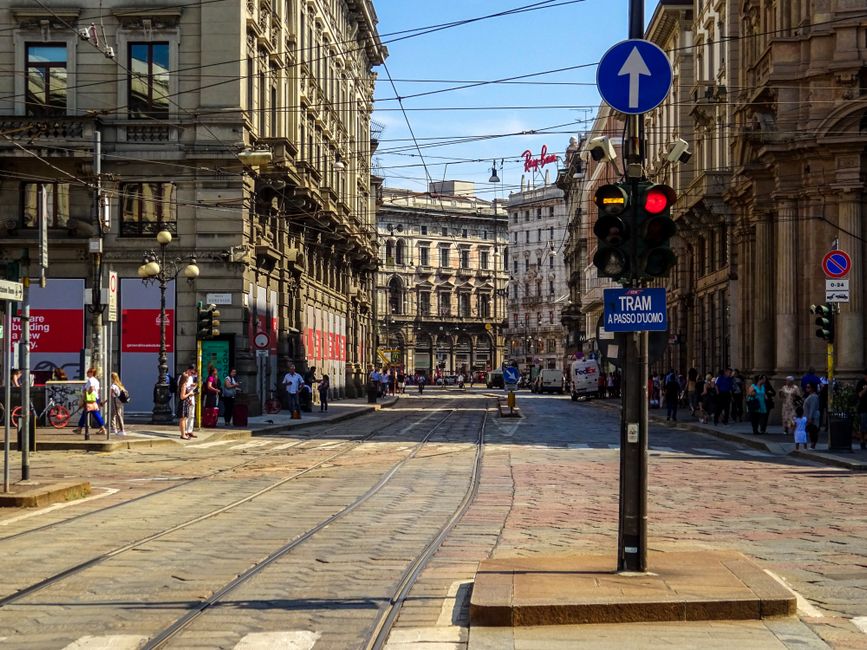
Walk along Via Torino or through the Navigli district on any weekday morning, and you'll notice something Milan's residents often take for granted: the neighbourhood shopkeeper, the family-run café, the independent boutique. But these aren't quaint relics of a vanishing Milan—they're small businesses operating under unprecedented pressure, and their fate directly affects your daily life and the city's identity.
The numbers tell a sobering story. According to Confcommercio Milano, roughly 2,300 retail outlets closed across the city in 2024, with small traders accounting for the majority. Commercial rents in prime areas like Sant'Ambrogio have surged by 18-22 percent over three years, while online sales capture an ever-growing slice of consumer spending. For a family-run alimentari or independent clothes shop operating on typical Milan margins of 20-25 percent, this squeeze is existential.
What residents need to understand is that these aren't simply nostalgic concerns. When a neighbourhood loses its independent retailers, it loses tangible assets: convenience, personal service, job creation, and social cohesion. A small shop owner in Brera employs locals, knows their regulars by name, and contributes to foot traffic that benefits nearby restaurants and galleries. When chains and online platforms replace them, something intangible but valuable dissolves.
The economic model is also changing. Forward-thinking entrepreneurs like those participating in the Confcommercio small business accelerator programmes are embracing omnichannel strategies—combining physical presence with Instagram and e-commerce visibility. A vintage clothing vendor on Corso Como, for instance, now drives 35 percent of revenue through direct-to-consumer online sales while maintaining a modest storefront that serves as both showroom and community gathering point.
For everyday Milanese, this means conscious choices have consequences. Buying directly from small retailers in Porta Romana or Isola, rather than defaulting to delivery apps and global marketplaces, sustains the commercial diversity that makes Milan liveable. It also means paying slightly more, sometimes—but that premium supports local employment, tax revenue, and the micro-economy that keeps neighbourhoods vibrant.
The city council's recent initiatives—negotiated rent agreements with property owners and tax incentives for young entrepreneurs opening shops—signal recognition of this reality. But policy alone won't save Milan's retail character. Residents' purchasing habits will.
Your neighbourhood shopkeeper isn't simply selling you coffee or a shirt. They're maintaining the texture of Milan itself. Understanding that economics matters.
This article was compiled by AI from the sources linked above and screened before publishing. See our editorial standards.
How does this story make you feel?
Spread the word
About this article
Published by The Daily Milan
Daily brief
Free, in your inbox before 7am. Weekdays.
More in Business