Milan's tourism recovery has exceeded expectations. International arrivals to the Lombardy capital reached 3.2 million visitors last year, a 14 percent increase on 2024, according to the Milan Convention and Visitors Bureau. Yet behind these promising aggregate figures lies a more nuanced story: a small cohort of independent hospitality entrepreneurs is fundamentally reshaping how the city welcomes—and retains—its most valuable guests.
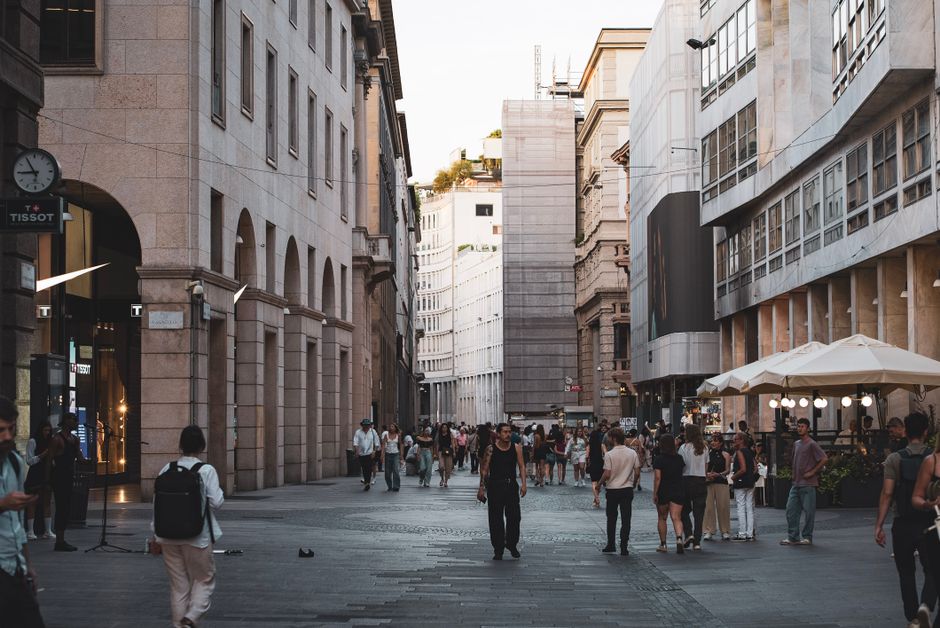
Leading this charge is the owner-operator model gaining traction in Porta Venezia, the historic neighbourhood bounded by Corso Buenos Aires and Via Palestro. Here, where Milanese design houses and independent galleries cluster alongside traditional family-run cafés, one particular property has become emblematic of this shift. Positioned steps from the Giardini Pubblici and within walking distance of the Brera district's art galleries, the establishment exemplifies a deliberately counter-trend approach: eschewing the standardized corporate hotel experience in favour of deeply curated, neighbourhood-embedded hospitality.
The strategy is working. Average daily rates for independent boutique properties in this zone have climbed to €285–€340, according to hospitality consultancy Colliers Milan, outpacing both traditional three-star chains and multinational luxury operators. More significantly, repeat visitation rates at such properties exceed 31 percent—substantially above the Milan average of 18 percent.
What distinguishes this model is architectural authenticity and local integration. Rather than generic minimalism, these establishments preserve original Milanese design elements—period tiles, vintage Milano furniture, tactile materials sourced from nearby Zona Tortona craftspeople. Staff are trained not as transaction processors but as neighbourhood guides, armed with genuine knowledge of local restaurateurs, emerging designers, and cultural venues beyond the standard guidebook circuit.
The business case extends beyond room rates. Such properties generate significant ancillary revenue through concierge services, local experience curation, and partnerships with independent retailers. One Porta Venezia operator reports that nearly 40 percent of annual revenue derives from non-room services—substantially above industry norms.
This success reflects a broader market recalibration. Post-pandemic visitor psychology has shifted decisively away from interchangeable luxury towers toward experiential authenticity. Affluent travellers increasingly seek immersion in genuine urban fabric rather than isolation within branded environments.
As Milan positions itself for Expo 2030, this entrepreneurial approach offers a template for sustainable tourism growth—one that enriches neighbourhoods economically while preserving the very character that attracts visitors in the first place. The message to the city's hospitality sector is clear: authenticity, not scale, drives margin and loyalty in the contemporary visitor economy.
This article was compiled by AI from the sources linked above and screened before publishing. See our editorial standards.