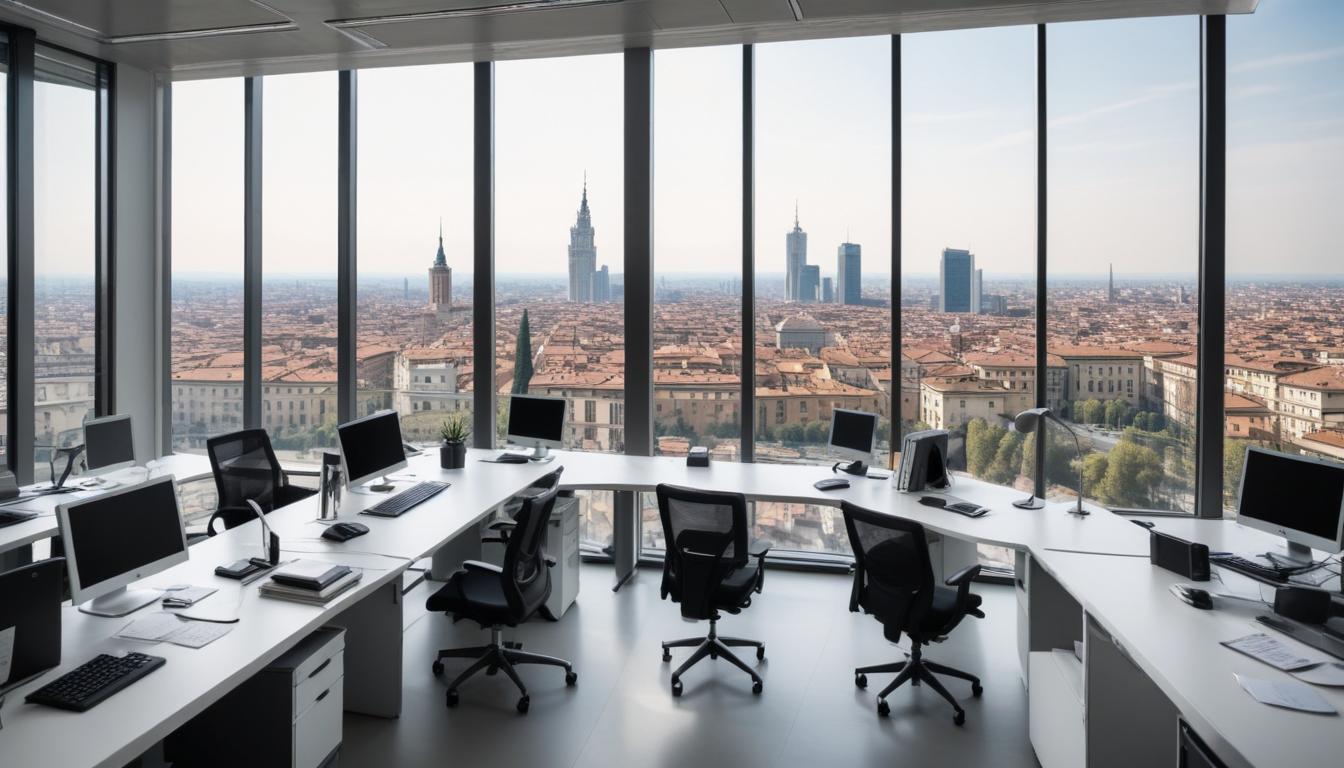
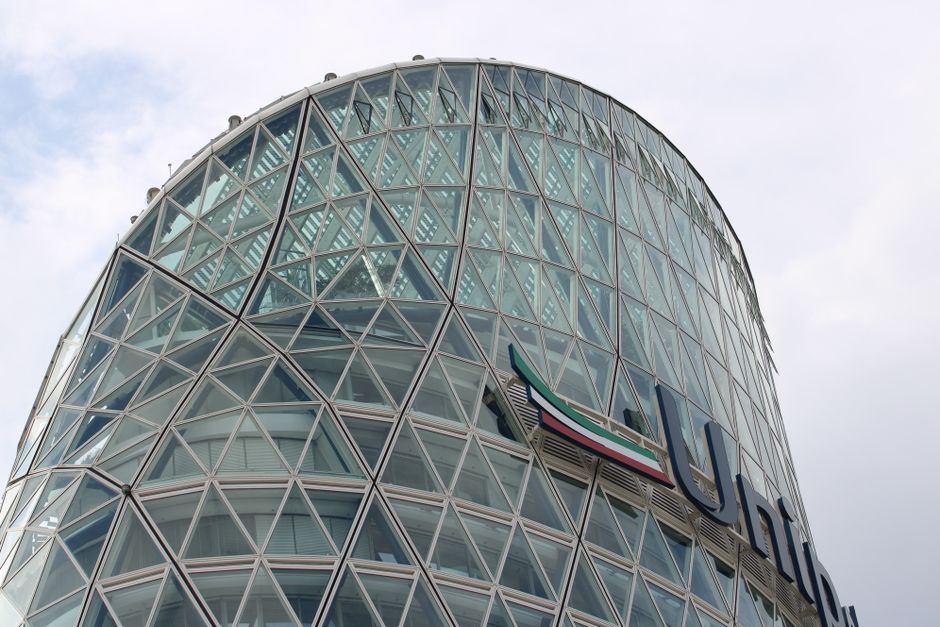
Milan's startup ecosystem has undergone a seismic shift over the past five years, transforming from a fashion and design capital into a credible contender for Europe's deeptech crown. At the heart of this transformation sits a cluster of innovation districts—from the burgeoning tech corridors around Porta Nuova to the collaborative hubs in Isola—where entrepreneurs are tackling problems in advanced materials, climate tech, and industrial automation.
Within this landscape, one local founder has emerged as a particularly compelling case study in how Milanese ambition meets scientific rigour. Operating from a nondescript office building near Piazzale Loreto, the venture has grown from a university spin-off into a company attracting serious institutional backing. The entrepreneur behind it represents a new breed of Milan business leader: classically trained in Italian manufacturing excellence but fluent in the language of venture capital, regulatory frameworks, and international scaling.
What sets this operation apart is its deliberate rootedness in Milan's existing industrial ecosystem. Rather than attempting to transplant Silicon Valley models wholesale, the founder has built partnerships with suppliers along the Brianza corridor and maintained close ties to polytechnic research groups. This hybrid approach—blending heritage manufacturing expertise with frontier-grade technology—mirrors broader shifts across the region's startup scene.
The numbers underline Milan's growing pull. According to recent data from the Milan Chamber of Commerce, deeptech startups in the metropolitan area attracted €385 million in venture funding last year, a 42 per cent increase from 2024. Rents in prime innovation districts like those clustered around Garibaldi station remain substantially below comparable Berlin or Stockholm locations, typically ranging from €18 to €24 per square metre monthly for quality office space.
Key institutional players—including the Politecnico di Milano's robust startup accelerator programmes and the Milan Chamber's innovation initiatives—have created scaffolding that makes building a serious tech company here increasingly viable. Proximity to European financial centres and access to talent pools across northern Italy add further appeal.
Yet challenges persist. Scaling beyond Italy requires navigating complex EU regulatory environments, and competition for top engineering talent remains fierce. Still, for entrepreneurs willing to build thoughtfully and leverage Milan's unique blend of manufacturing heritage and contemporary innovation infrastructure, the city offers what few European metros can: a credible launchpad for companies targeting global markets.
As venture capitalists increasingly look beyond oversaturated coastal hubs, Milan's startup leaders are positioning the city not as an alternative to established tech centres, but as a distinct ecosystem with its own competitive advantages. That distinction may prove to be Milan's most valuable asset.
This article was compiled by AI from the sources linked above and screened before publishing. See our editorial standards.