Milan's Office Revolution: What Rising Commercial Rents Mean for Your Daily Life
As tech giants and finance firms reshape the city's real estate landscape, everyday residents face knock-on effects from rising costs to changing neighbourhoods.
As tech giants and finance firms reshape the city's real estate landscape, everyday residents face knock-on effects from rising costs to changing neighbourhoods.
Milan's commercial property market is undergoing a seismic shift, and the ripples are touching everything from your morning coffee prices to the vibrancy of your neighbourhood. Understanding what's happening in the office sector isn't just for property investors—it directly affects how the city functions and where money flows.
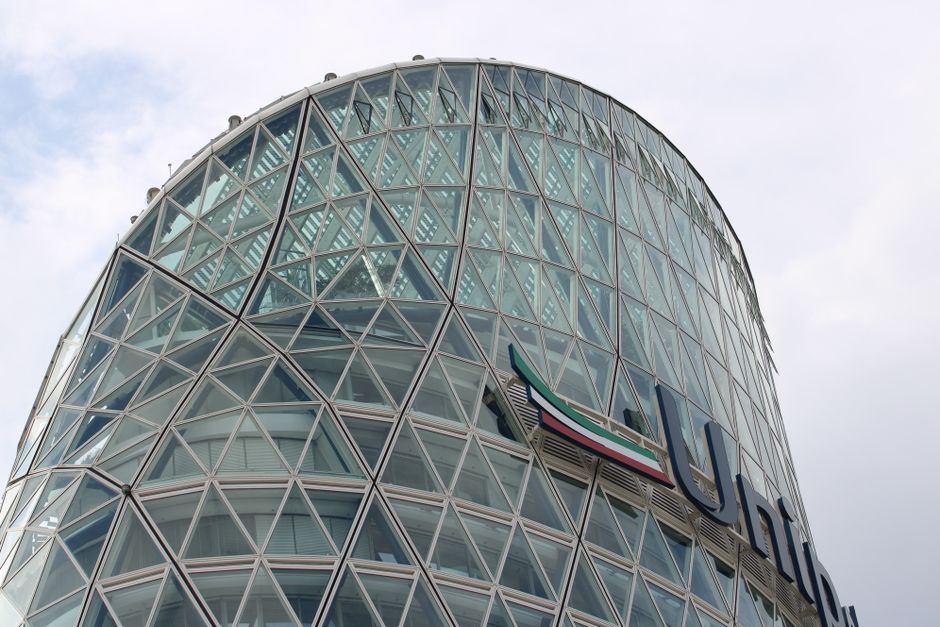
The past eighteen months have seen unprecedented demand for prime office space in the Porta Nuova and Garibaldi districts, with major multinational corporations and tech startups competing fiercely for locations. Average commercial rents in these postcodes have climbed roughly 18-22 percent since early 2024, according to market analysts tracking Milan's commercial real estate. The Brera neighbourhood, traditionally artistic and residential, is now attracting design consultancies and media firms at unprecedented rates.
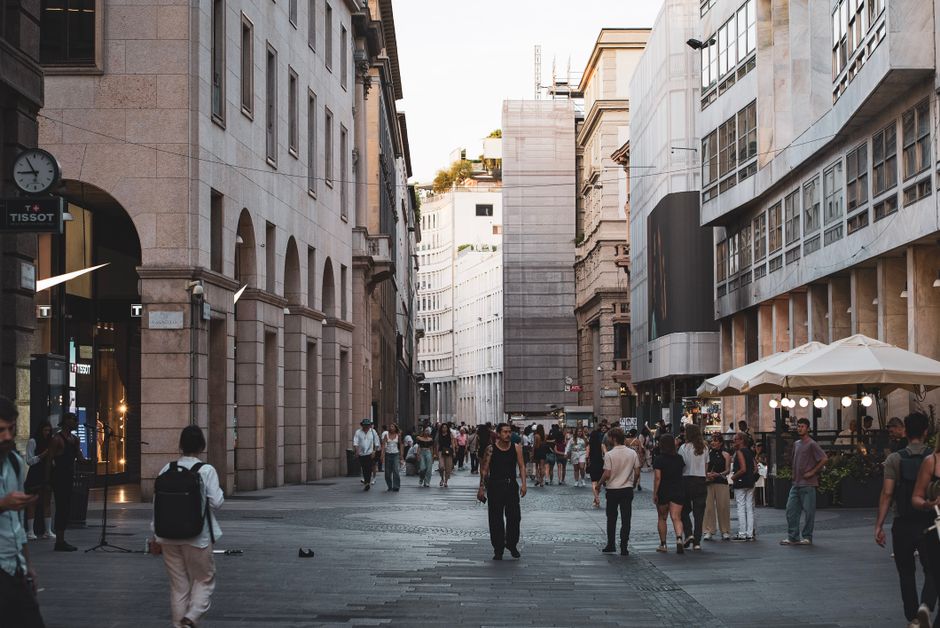
This matters to residents because commercial gentrification follows a predictable pattern. When office landlords can charge premium rents, they prioritise corporate tenants over independent retailers and neighbourhood services. Via Torino and the surrounding streets, once dotted with family-run bookshops and artisan cafes, have seen several long-standing businesses close as landlords demand rents that only international chains can afford. A cappuccino near Stazione Centrale costs noticeably more than it did three years ago, partly reflecting these broader property cost pressures.
The transformation also reshapes traffic and public services. More office workers means congestion on the MM1 and MM3 lines during peak hours, and the city's infrastructure planning must respond. City council budgets increasingly strain to accommodate commercial growth—parking demand, waste management, and utilities all intensify when office buildings absorb thousands more daily workers.
There's a secondary effect worth noting: housing costs. When commercial property becomes lucrative, landlords and developers reassess residential buildings in mixed-use neighbourhoods. Navigli and Porta Romana, areas with blended office and residential stock, have seen residential rents climb alongside commercial appreciation. Young professionals can afford Milan's office jobs; their neighbours in rental flats increasingly cannot.
The silver lining: economic vitality brings investment in public spaces. The redevelopment of Tre Torri and newer office complexes often includes retail and dining on ground floors, creating foot traffic that can revitalise struggling commercial streets. Tax revenue from successful office tenants funds municipal services, though distribution remains uneven across districts.
For ordinary Milanese, the message is clear: the office market is no longer background noise. Decisions made in glass towers on Corso Como reshape neighbourhoods, affordability, and daily convenience in ways that deserve public attention and scrutiny.
This article was compiled by AI from the sources linked above and screened before publishing. See our editorial standards.
How does this story make you feel?
Spread the word
About this article
Published by The Daily Milan
Daily brief
Free, in your inbox before 7am. Weekdays.
More in Business