From Navigli Workshop to Milan Fashion Week: How One Designer Built a €2.8M Artisanal Empire
A Brera-based leather craftsperson's refusal to outsource production is redefining luxury in a city obsessed with scale.
A Brera-based leather craftsperson's refusal to outsource production is redefining luxury in a city obsessed with scale.
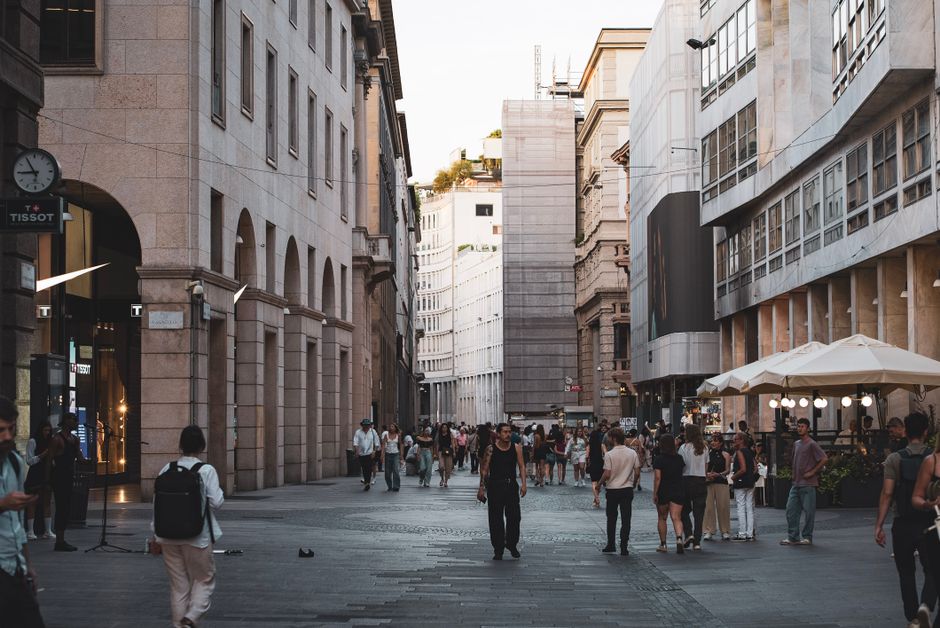
In a narrow workshop tucked between the galleries and vintage boutiques of Via Brera, something quietly extraordinary is unfolding. What began in 2019 as a one-person leather studio has grown into a thriving business generating €2.8 million in annual revenue—all without compromising on the founder's original vision of handcrafted production.
The business operates in a landscape where Milan's small and medium enterprises account for 94% of the region's commercial activity, yet face mounting pressure to scale rapidly or disappear. This entrepreneur has chosen a different path, establishing a workshop model that now employs 12 artisans and maintains zero outsourcing of core production.
Located steps from the Pinacoteca di Brera, the atelier produces bespoke leather accessories and garments using traditional Italian techniques. A single handbag, priced between €1,200 and €3,500, requires 40 hours of labour. Despite premium positioning, the waiting list stretches four months—testament to a market segment increasingly hungry for transparency and craft authenticity.
The business model reflects broader shifts in Milan's economy. According to the Chamber of Commerce, the city has seen a 23% uptick in artisanal and luxury craft enterprises since 2023, reversing a decade of consolidation. Rent in the Brera neighbourhood averages €180 per square metre annually, steep but sustainable when margins remain protected through direct sales and selective wholesale partnerships.
Recent expansion has been methodical. Two years ago, the workshop opened a second space in the Navigli district—Milan's historical artisan quarter—to accommodate growing demand. Rather than franchising or licensing designs, the founder invested in training. Each apprentice undergoes an 18-month programme in traditional pattern-cutting and leather finishing.
Revenue streams now include direct-to-consumer sales (52%), European boutique wholesale (38%), and custom commissions for architects and interior designers (10%). The business maintains Instagram as its primary marketing channel, eschewing paid advertising entirely.
What distinguishes this operation is resilience through restraint. While competitors pivot to automation or outsource to Eastern Europe, this enterprise treats its Via Brera location as non-negotiable. The founder has declined three acquisition offers since 2024, viewing the business not as an asset to flip but as a platform for preserving craftsmanship in a digital age.
As Milan grapples with post-pandemic economics and shifting luxury consumption patterns, enterprises like this offer a counternarrative: profitability and purpose need not be mutually exclusive. In a city built on fashion and design, the most innovative entrepreneurs are those who refuse to commodify their craft.
This article was compiled by AI from the sources linked above and screened before publishing. See our editorial standards.
How does this story make you feel?
Spread the word
About this article
Published by The Daily Milan
Daily brief
Free, in your inbox before 7am. Weekdays.
More in Business