Milan's Office Market at a Crossroads: What Businesses ...
As remote work reshapes demand and sustainability pressures rise, Milan's commercial property sector faces a critical reckoning—with winners and losers emerging fast.
As remote work reshapes demand and sustainability pressures rise, Milan's commercial property sector faces a critical reckoning—with winners and losers emerging fast.
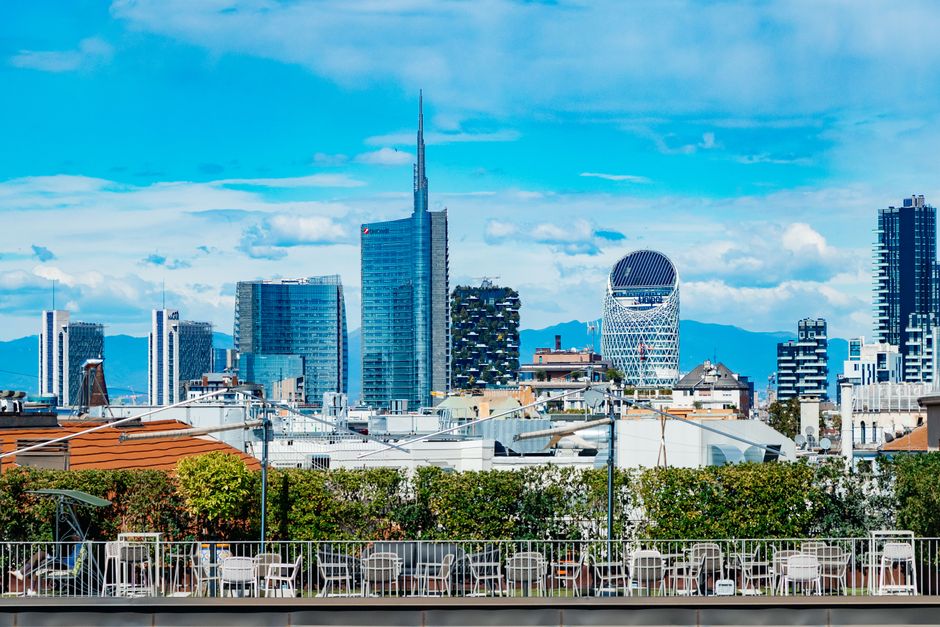
Milan's commercial real estate landscape is undergoing its most significant transformation in a generation. After years of steady growth, the office market is fragmenting into distinct tiers, forcing business leaders to recalibrate their real estate strategies urgently.
The numbers tell a sobering story for dated stock. Prime office space in the Garibaldi-Repubblica corridor and around Porta Nuova—traditional power bases for multinational corporations—is experiencing downward rental pressure for the first time since 2015. Asking rents have softened by 3-4% year-on-year for conventional five-storey buildings lacking modern environmental credentials. Meanwhile, newly refurbished trophy assets near the Duomo and along Via Torino command premium rates, suggesting a bifurcated market increasingly hostile to mediocre supply.
The culprit? A combination of stubborn remote-work adoption and Italy's tightening environmental regulations. The EU's Energy Efficiency Directive is forcing landlords' hands. Properties failing to meet minimum EPC standards face mounting pressure as major tenants—particularly financial services firms and tech companies—embed sustainability into procurement decisions. Several major insurance and banking headquarters have already signalled selective moves from older Brera and Porta Ticinese buildings into purpose-built, energy-efficient schemes.
Co-working and flexible space operators are capitalising ruthlessly. WeWork-style providers, alongside Italian competitors like Spaces and Talent Garden, have expanded capacity by 22% across Milan's main business districts since 2024. This reflects genuine demand from mid-market companies and startups unwilling to commit to traditional five or ten-year leases in an uncertain macroeconomic environment.
What should business leaders watch? First, lease flexibility has become non-negotiable. Standard ten-year agreements are increasingly difficult to negotiate; break clauses and expansion options are table-stakes. Second, location hierarchy is narrowing. Peripheral business parks in Rho, Pero and Vimercate are struggling to compete; the premium is consolidating around the central business district and a handful of well-connected secondary nodes.
Third, and most urgently: carbon footprint is now a board-level issue. Companies operating from older stock may face unexpected costs or reputational friction with institutional investors. Several Milan-based fund managers have begun factoring real estate emissions into their ESG frameworks, creating indirect pressure on tenant choices.
The market correction is neither collapse nor boom—it's recalibration. Businesses that act decisively on lease renewals now, while supply remains negotiable, will emerge stronger. Those sitting tight risk being forced into premium-priced new space when their leases expire.
This article was compiled by AI from the sources linked above and screened before publishing. See our editorial standards.
How does this story make you feel?
Spread the word
About this article
Published by The Daily Milan
Daily brief
Free, in your inbox before 7am. Weekdays.
More in Business