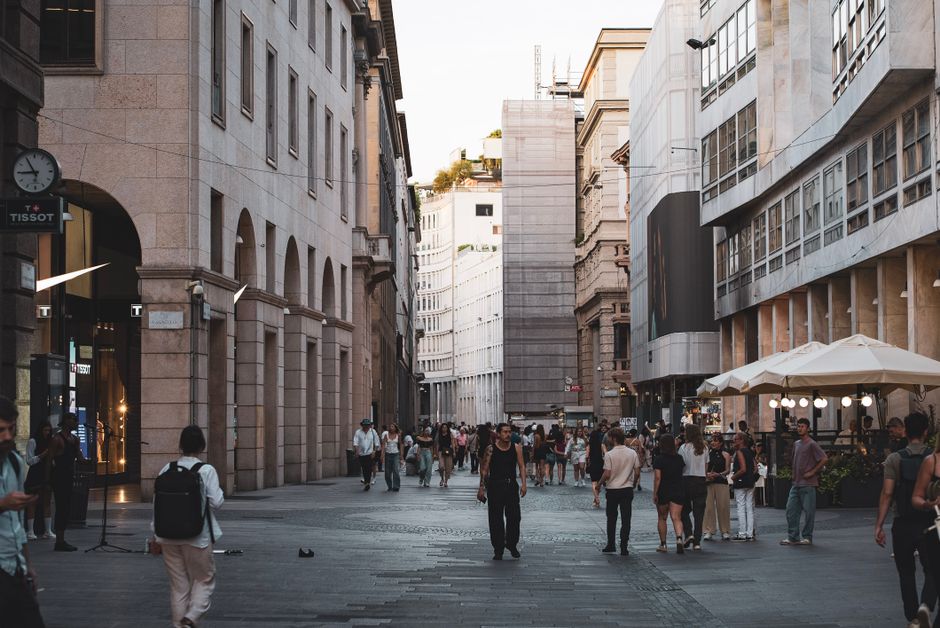
Milan's retail and food hospitality sector is experiencing a profound recalibration. After three years of post-pandemic recovery, businesses across the city—from Corso Como's high-street flagships to the trattorias dotting the Navigli—are confronting a new reality shaped by labour inflation, changing customer expectations, and digital disruption.
Labour costs remain the sector's most pressing challenge. Hospitality workers in Milan now command salaries 12-15% higher than three years ago, according to industry consultants monitoring the Confcommercio Milan network. Kitchen staff in upscale venues near the Duomo are particularly scarce, forcing many restaurants to reduce evening service or consolidate menus. Small independent operators report wage bills consuming 35-40% of revenue—up from 28-32% in 2023. This squeeze is forcing difficult decisions: some venues have quietly increased cover charges or menu prices by 8-12%, testing customer tolerance.
Consumer behaviour is fragmenting sharply. The traditional dinner-dominated model is eroding. Aperitivo culture remains robust in areas like Brera and around Porta Venezia, but evening foot traffic in secondary shopping areas has declined measurably. Conversely, lunch-hour dining and grab-and-go formats are thriving, particularly near corporate hubs in the Garibaldi district. Specialty coffee bars and fast-casual concepts are expanding, while conventional fast-food is stagnating.
The digital pivot continues accelerating. Third-party delivery platforms now represent 18-22% of revenue for independent restaurants citywide, up from 12% in 2024. Yet commission rates—typically 25-30%—are eroding margins. Operators increasingly view proprietary apps and direct ordering as essential, requiring investment many struggle to justify.
Retail faces parallel pressures. Department stores and traditional anchor tenants on Via Montenapoleone report steady traffic but softer conversion rates. Luxury remains resilient, but mid-market retail is contracting. Conversely, experiential venues—concept stores blending retail with hospitality—are outperforming pure merchandise plays. The success of curated food halls and wine-forward retail-dining hybrids suggests future viability lies in hybrid models.
Sustainability is no longer optional posturing. Consumers, especially younger demographics, increasingly reward venues demonstrating genuine environmental commitments. Packaging waste, local sourcing, and energy efficiency are becoming purchasing factors—not just marketing angles.
For businesses across Milan's retail and hospitality ecosystem, the message is clear: cost management, digital sophistication, and experience innovation are no longer differentiators—they're prerequisites for survival. Those adapting fastest will thrive; others risk obsolescence.
This article was compiled by AI from the sources linked above and screened before publishing. See our editorial standards.