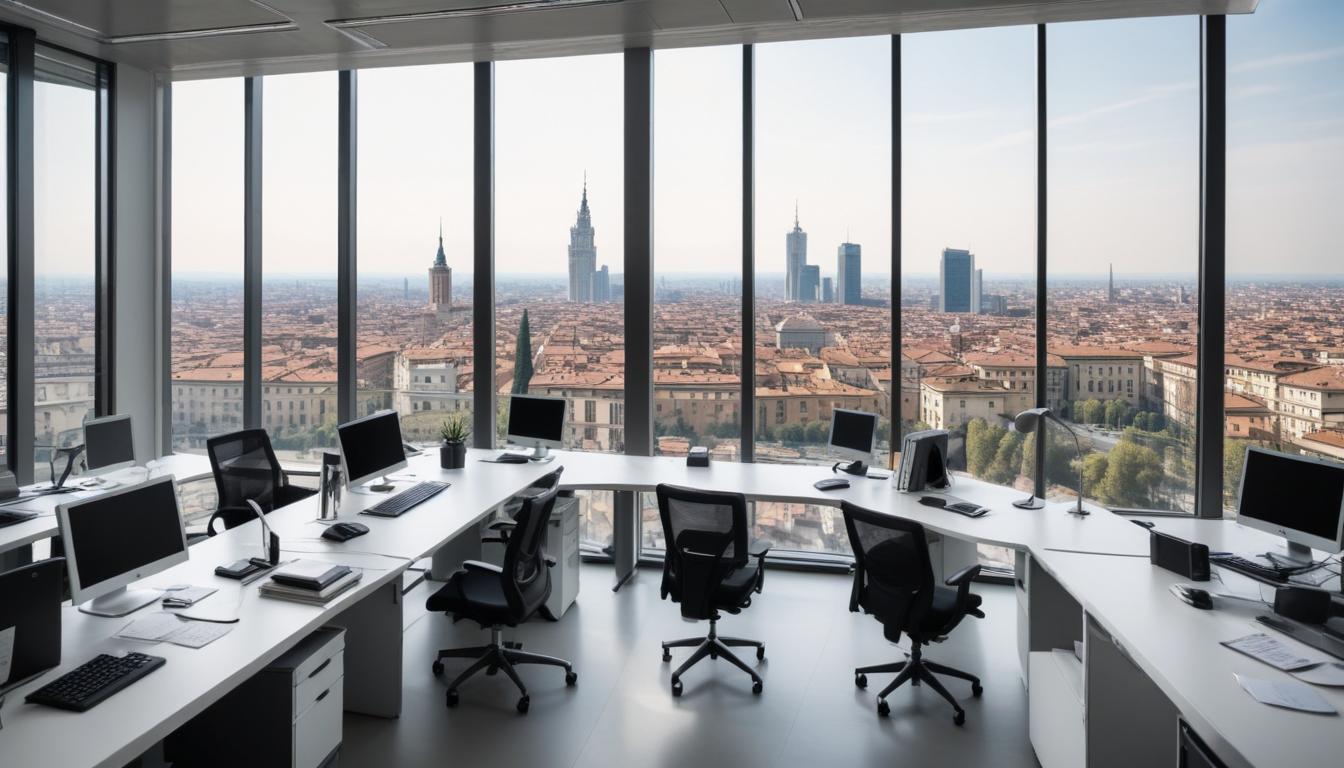
Milan's employment landscape is undergoing a structural shift that is fragmenting the city's once-consolidated talent pool. The rise of permanent remote and hybrid work arrangements—now standard at most multinational firms headquartered along Corso Como and in the Porta Nuova district—is decentralising where workers choose to live and which companies can realistically compete for their attention.
Recent surveys from the Milan Chamber of Commerce indicate that 68% of mid-to-large enterprises in the Lombardy region now operate hybrid models, up from 34% in 2022. This flexibility has triggered an unexpected consequence: professionals are moving outward. Property rental data shows significant tenant migration to neighbourhoods like Lambrate, Navigli, and even satellite towns such as Monza and Como, where living costs remain substantially lower than the €1,200-€1,600 monthly average for a one-bedroom flat in the Brera or San Babila areas.
For recruitment teams, this dispersal creates acute competitive pressure. Tech companies clustered around Via Tortona and the Ventura district report difficulty attracting junior developers and UX designers who can now negotiate roles offering one or two office days weekly. "The talent isn't concentrated anymore," explains trends visible across LinkedIn's Milan employment data, where job postings now emphasise flexibility as a primary selling point rather than a secondary perk.
The shift is reshaping commercial real estate too. Downtown office vacancy rates have climbed to 8.2% in central Milan—the highest in a decade—forcing landlords to rebrand spaces into hot-desking hubs and collaborative zones rather than traditional assigned seating. Conversely, suburban commercial parks are experiencing unexpected demand from firms seeking satellite offices closer to where employees actually live.
Salary expectations have also shifted unevenly across the city. Professionals willing to commute three days weekly to Piazza Gae Aulenti command roughly 12-15% higher compensation than those accepting fully remote arrangements, creating a new two-tier labour market that wasn't visible five years ago. For entry-level positions—historically concentrated in downtown financial and fashion sectors—this has created particular friction, as young workers now perceive location flexibility as non-negotiable.
Milan's traditional strength as a magnet for ambitious talent remains intact, but the concentrated pull has weakened. Companies that adapt by building genuine remote-first cultures rather than grudgingly tolerating work-from-home will likely capture disproportionate market share in the increasingly competitive war for skills across northern Italy.
This article was compiled by AI from the sources linked above and screened before publishing. See our editorial standards.