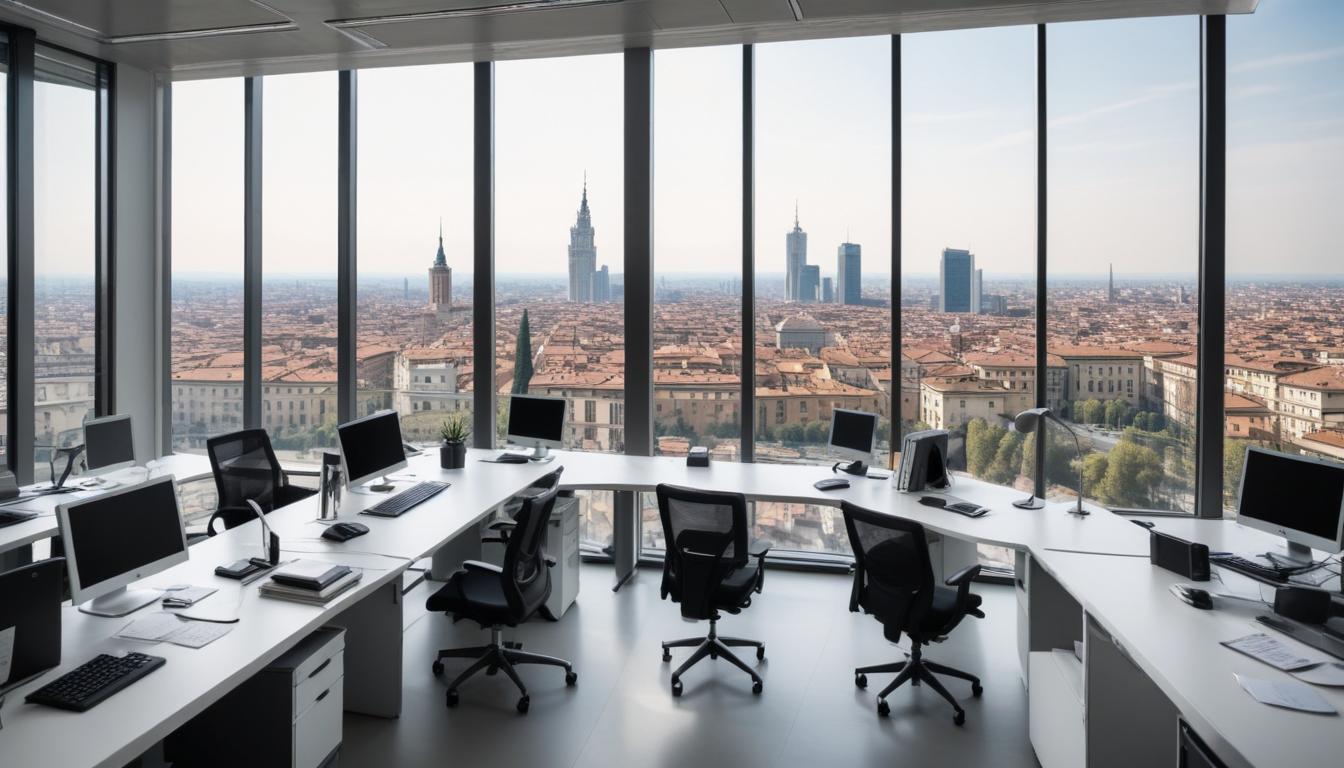
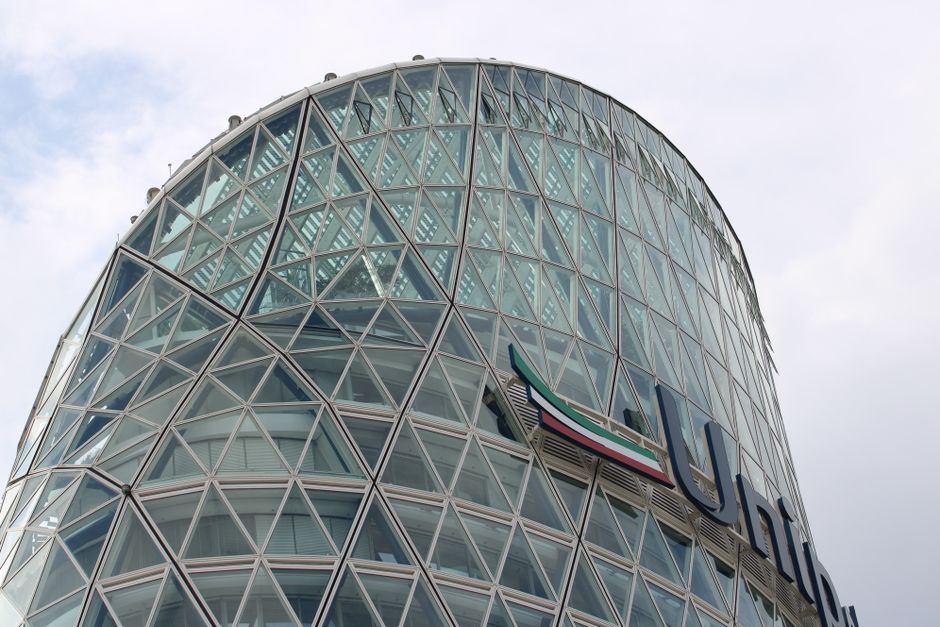
In a converted textile warehouse along the Navigli Canal, where Milan's creative class once gathered in cramped artist studios, a different kind of revolution is taking shape. ClimaMaterials, a three-year-old startup focused on developing biodegradable composites for industrial applications, has just closed a €12 million Series A funding round—making it one of the most significant exits from Milan's emerging deep-tech ecosystem this year.
The company, founded by a team that spent years in the CsLab accelerator program in the Porta Nuova district, exemplifies a broader shift in how Milan is positioning itself as a serious contender in Europe's innovation economy. Where the city once relied on fashion and finance, founders and venture capitalists are now betting on sustainability-driven engineering solutions.
"Five years ago, asking an investor about climate tech in Milan would have drawn blank stares," says the startup's founding team, which refused individual attribution but shared their vision over coffee near Parco Sempione. "Now we're seeing institutional interest from both Italian and European funds. The talent is here. The infrastructure is here."
The numbers bear this out. Milan's startup ecosystem generated €87 million in venture funding in 2025, a 34 percent increase year-over-year according to the latest Italian Startup Association data. The city now hosts over 1,200 registered startups, with clusters particularly dense around the Garibaldi and Lambrate neighborhoods, where converted industrial spaces have become incubator hubs.
ClimaMaterials' success reflects a maturation of local support structures. Beyond traditional venture capital, the city benefits from Politecnico di Milano's research partnerships, the Hub Innovazione Nord program, and a growing network of corporate accelerators backed by companies like Prada and Pirelli seeking innovation partnerships.
The company's trajectory also highlights Milan's advantage as a manufacturing hub with deep supply chain connections to Italy's broader industrial base. Rather than pure software, these startups are solving tangible problems: sustainable packaging, industrial waste reduction, and clean energy applications that leverage existing expertise in materials science and engineering.
Competition remains fierce. Rome, Bologna, and Turin are all investing heavily in their own innovation districts. Yet Milan's scale—combined with its international airport connectivity and concentration of multinational headquarters—gives it structural advantages. ClimaMaterials plans to open a production facility in Lombardy within eighteen months, potentially creating 80 jobs in the region.
For Milan's startup community, it's validation that the city can nurture world-class companies beyond traditional sectors. The question now: can consistent exits like this one cement Milan's reputation as a genuine innovation capital, not merely a financial center?
This article was compiled by AI from the sources linked above and screened before publishing. See our editorial standards.