Why Your Morning Coffee in Navigli Costs What It Does: A Guide to Milan's Hidden Trade Wars
As geopolitical tensions reshape supply chains, Milanese consumers face rising prices and shrinking choices—here's what you need to know.
As geopolitical tensions reshape supply chains, Milanese consumers face rising prices and shrinking choices—here's what you need to know.
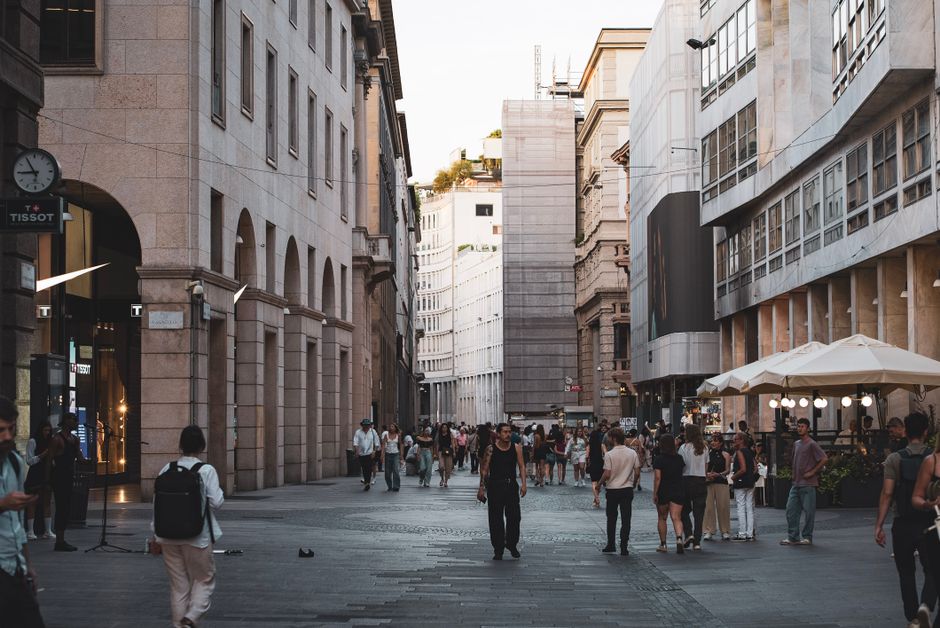
Walk into any bar along Via Torino or in the Brera neighbourhood, and you'll notice espresso prices have climbed steadily. A cappuccino that cost €1.50 three years ago now runs €2.10. That jump isn't just inflation. It reflects the invisible tangle of tariffs, trade disputes, and supply-chain chaos rippling through global markets—and hitting Milan's residents directly in their wallets.
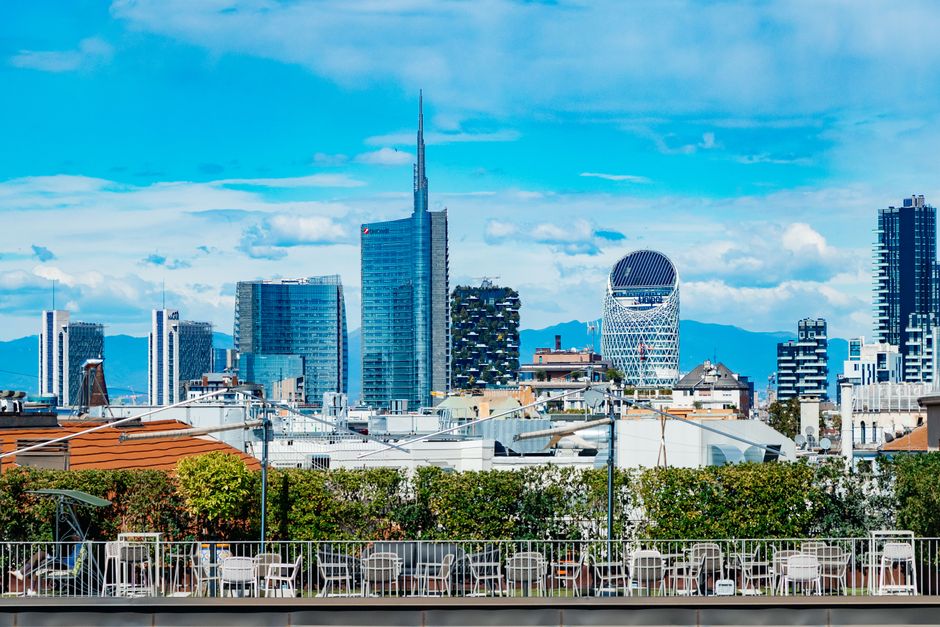
Milan's economy depends on seamless international trade. The city is Europe's second-largest financial hub and a global fashion capital, with companies like Prada, Armani, and hundreds of smaller manufacturers competing for raw materials from across the globe. When trade flows break down, prices rise everywhere—from the leather goods sold near the Duomo to the vegetables at Vercelli Market on Viale Papiniano.
Recent geopolitical instability has disrupted everything. Mining operations in certain regions have slowed, pushing up material costs. Agricultural tariffs have spiked. Shipping routes face delays. For an ordinary Milanese household, this translates to higher food bills, pricier clothing, and increased energy costs. A family spending €150 weekly on groceries might now spend €170 for identical items.
The Chamber of Commerce Milano Monza Brianza Lodi reports that mid-sized manufacturers—the backbone of the Lombard economy—face margin pressures they haven't experienced in a decade. Companies are absorbing costs where possible, but inevitably consumers feel the squeeze. Retailers in Corso Vittorio Emanuele and smaller independent shops in Navigli have had to make difficult choices about pricing and inventory.
What can residents do? Understanding these forces helps. First, recognise that price increases aren't arbitrary—they reflect real disruptions in global supply chains. Second, support local producers where feasible; Milan's artisanal food vendors and craftspeople often maintain more stable pricing. Third, stay informed. Trade negotiations at international levels genuinely affect your grocery bill and the cost of a new jacket.
The good news: Milan has weathered trade crises before. Its business community is remarkably adaptive, and the city's position as a major trading hub means companies have incentives to maintain efficiency. Still, expect volatility. The question for households isn't whether these disruptions matter—they obviously do. It's whether understanding them helps you make smarter spending decisions in an unpredictable global economy.
This article was compiled by AI from the sources linked above and screened before publishing. See our editorial standards.
How does this story make you feel?
Spread the word
About this article
Published by The Daily Milan
Daily brief
Free, in your inbox before 7am. Weekdays.
More in Business