Milan's Job Market Faces Perfect Storm of Headwinds as 2026 Challenges Mount
Rising operating costs, skills shortages, and geopolitical uncertainty are reshaping employment prospects across the Lombardy capital.
Rising operating costs, skills shortages, and geopolitical uncertainty are reshaping employment prospects across the Lombardy capital.
Milan's traditionally robust employment sector is confronting a convergence of structural headwinds that threatens to dampen the job market's trajectory through the second half of 2026. What began as optimistic forecasts in January has given way to a more sobering reality across the city's financial district, manufacturing hubs, and service sectors.
The challenge is most acute in the Porta Nuova and Garibaldi neighbourhoods, where finance and insurance firms have begun freezing new hires. Energy costs, which spiked 34 percent compared to this time last year according to local business chambers, are forcing employers to reconsider expansion plans. Several multinational firms with offices along Corso Como have quietly shelved recruitment drives originally scheduled for autumn.
Manufacturing—traditionally Milan's employment engine—faces its own pressures. The Rho industrial corridor, home to dozens of mid-sized engineering and design companies, is grappling with supply chain instability and unpredictable raw material pricing. Employers report difficulty sourcing skilled technicians, a legacy of younger workers pursuing university degrees over apprenticeships in the previous decade. One HR director at a prominent Rho-based firm noted that positions requiring five years' experience remain unfilled for months.
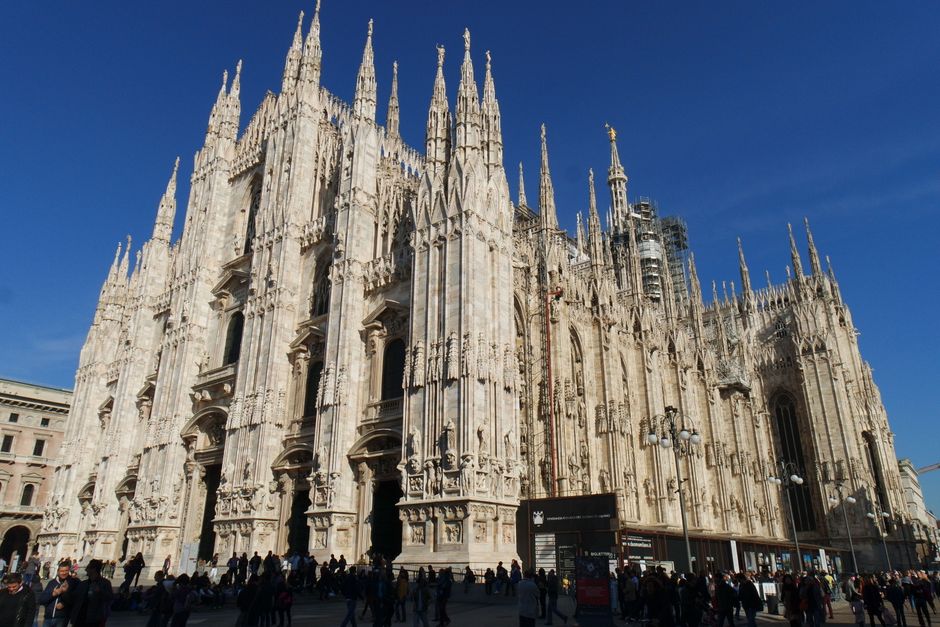
The hospitality and tourism sectors tell a more mixed story. While Milan's hotels and restaurants along Via Tornabuoni and near the Duomo continue hiring, wage inflation—running at 5.2 percent in the broader Lombardy region—is eroding margins. Staff retention has become a critical issue, with service workers increasingly attracted to smaller cities offering lower living costs.
Unemployment in the Milan metropolitan area sits at 6.8 percent, slightly elevated from 6.2 percent a year ago. Youth unemployment among those aged 15-24 is particularly concerning at 18.4 percent, suggesting a structural mismatch between available positions and worker qualifications. Companies increasingly demand digital literacy and multilingual abilities, yet vocational training institutions struggle to keep pace with rapidly evolving requirements.
Remote work, once a pandemic-era novelty, has permanently altered the employment landscape. While some firms have recalled staff to downtown office spaces, others have embraced hybrid models, effectively reducing full-time headcount needs. This shift has particularly impacted support services and commercial real estate occupancy around Piazza della Repubblica.
Looking ahead, economists forecast cautious growth rather than robust expansion. Firms are adopting a wait-and-see posture, holding cash reserves rather than investing aggressively in workforce expansion. For jobseekers, the message is clear: Milan remains an attractive employment hub, but the effortless hiring environment of recent years has definitively ended.
This article was compiled by AI from the sources linked above and screened before publishing. See our editorial standards.
How does this story make you feel?
Spread the word
About this article
Published by The Daily Milan
Daily brief
Free, in your inbox before 7am. Weekdays.
More in Business