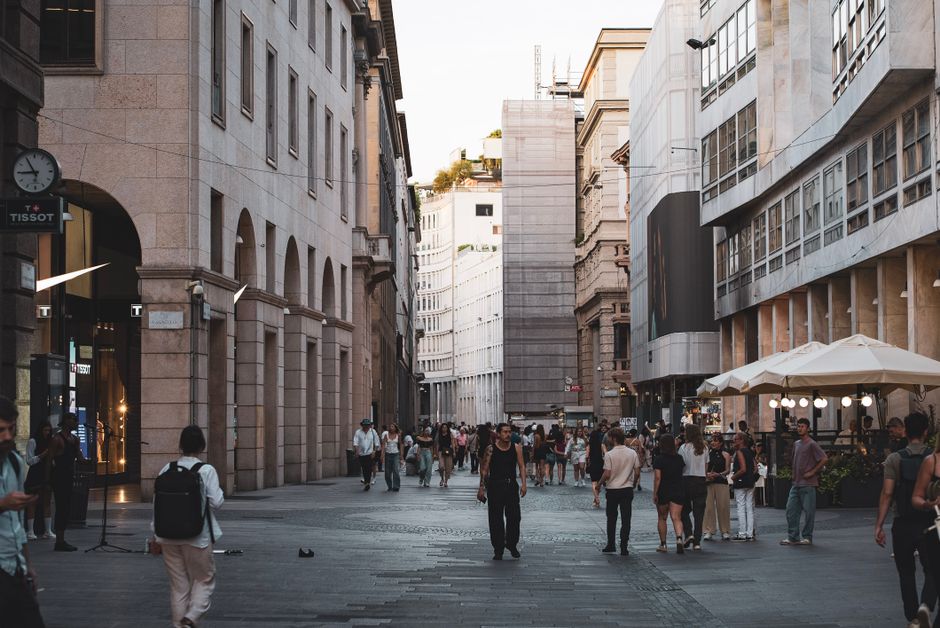
Walking along Via Torino on a Monday morning, the vibrancy that typically characterises Milan's commercial heartland feels noticeably muted. Half a dozen independent retailers have shuttered in the past eighteen months, their spaces now vacant or awaiting new tenants. The story is repeated across the city's most iconic neighbourhoods, where small business owners are grappling with what many describe as the most challenging operating environment in a decade.
Energy costs remain the primary culprit. Small retailers and hospitality venues report utility bills that have more than doubled since 2023, with some family-run establishments in the Brera district paying €3,500 monthly for heating and lighting alone—a figure that consumes between 8 and 12 per cent of monthly revenue. Unlike larger chains with diversified portfolios, Milan's independent operators cannot absorb these spikes through economies of scale.
Labour availability compounds the problem. The Milan Chamber of Commerce noted in its latest quarterly report that 67 per cent of small business owners cite difficulty recruiting skilled staff willing to accept competitive wages. For a city that prides itself on artisanal craftsmanship and personalised service, this structural challenge threatens the very identity of establishments that define neighbourhoods like Navigli and Porta Ticinese.
Consumer behaviour is shifting too. Foot traffic in traditional shopping districts has declined roughly 12 per cent compared to mid-2025, as Milanese residents increasingly favour online shopping or consolidate purchases into fewer, larger trips. Independent fashion boutiques—historically Milan's calling card—report that conversion rates have fallen sharply, particularly among younger demographics.
Rent remains punishing. A modest 100-square-metre retail space on Corso Como commands €4,000 to €5,500 monthly, while even secondary locations near Piazza Gae Aulenti ask €2,800 upwards. For businesses operating on typical margins of 20 to 30 per cent, these figures leave little room for manoeuvre.
Some entrepreneurs are adapting. A growing cohort have diversified into events, workshops, or experiential offerings—transforming retail into destination experiences rather than transaction points. Others have consolidated operations or shifted to emerging neighbourhoods where rents remain more reasonable.
Yet the broader picture remains sobering. Milan's DNA as a city of independent makers, designers, and proprietors faces erosion. Without targeted municipal support—whether through temporary rent subsidies or utility relief schemes—many fear the next twelve months will see further consolidation, leaving the city's commercial landscape increasingly dominated by multinational chains.
This article was compiled by AI from the sources linked above and screened before publishing. See our editorial standards.