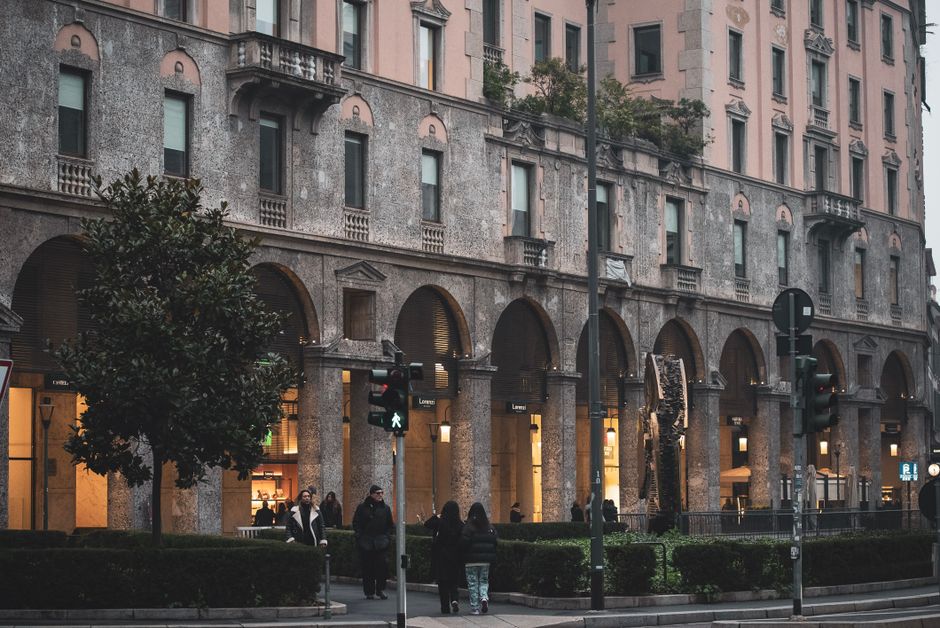
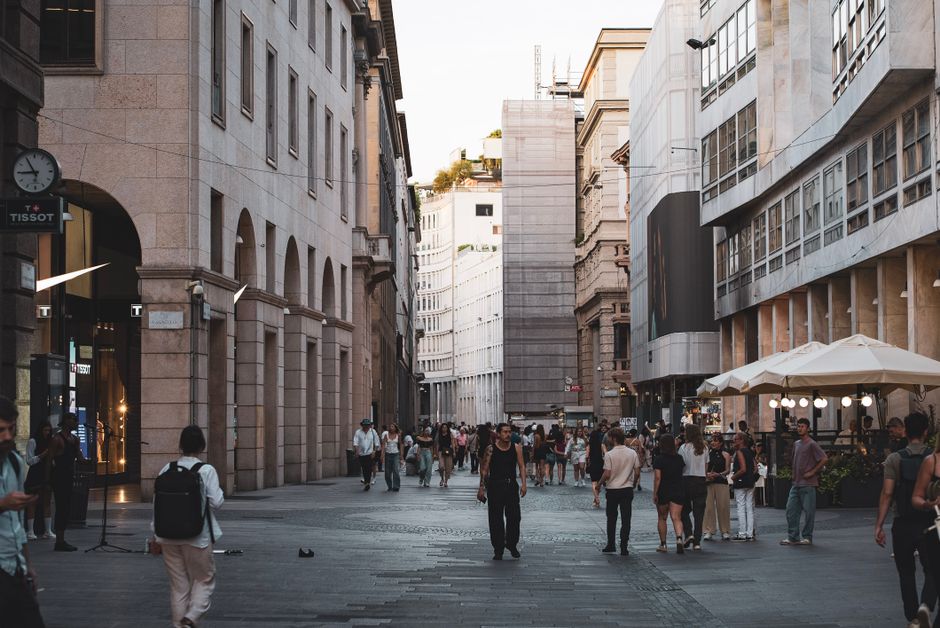
Walk along the Navigli Grande on a Tuesday evening and you'll notice something that would have been unthinkable five years ago: empty tables at restaurants that once turned away walk-ins. The Milan hospitality sector, long a jewel in the city's economic crown, is facing a perfect storm of pressures that threatens to reshape neighbourhoods from Brera to Porta Romana.
Labour costs have become the sector's primary headache. Entry-level wages for restaurant and retail staff in Milan have climbed roughly 18 per cent since 2023, according to preliminary figures from Confcommercio Milano, the city's commercial confederation. A waiter in a mid-range establishment on Via Torino now commands €1,400–1,600 monthly—a sharp increase that leaves little room for manoeuvre in an industry already operating on notoriously thin margins of 3–5 per cent. Owners report that kitchen staff shortages have become endemic, with experienced chefs increasingly moving toward corporate catering or leaving the sector entirely.
Consumer behaviour is shifting too. Milan's affluent classes continue to dine out regularly, but middle-market establishments—the backbone of the sector—are seeing foot traffic decline. Retail spending in the city centre dropped 8 per cent year-on-year through the first quarter of 2026, data from the Camera di Commercio suggests. The rise of e-commerce has hollowed out traditional shopping streets; even premium retailers are consolidating their Milan footprints, with several closing secondary outlets in recent months.
Energy costs remain punishing. A small restaurant operating on the Corso Buenos Aires estimates its annual utilities bill at €35,000–40,000, up from €26,000 in 2023. For independent proprietors running thin margins, these pressures are existential.
The situation has forced difficult adaptations. Some establishment owners are raising menu prices—often by 10–15 per cent—a strategy that risks pricing out regular customers in a competitive market. Others are reducing seating capacity or shortening opening hours. Chain operators and larger hospitality groups, meanwhile, are consolidating their portfolios, closing underperforming locations across the Quadrilatero d'Oro and secondary neighbourhoods.
Industry bodies are calling for relief. Confcommercio has urged the regional government to consider temporary reductions in municipal charges for hospitality venues, though prospects for such support remain unclear. The sector that has long defined Milan's post-industrial reinvention—attracting designers, financiers and tourists to its restaurants and boutiques—now faces a reckoning that will reshape the city's commercial character for years to come.
This article was compiled by AI from the sources linked above and screened before publishing. See our editorial standards.