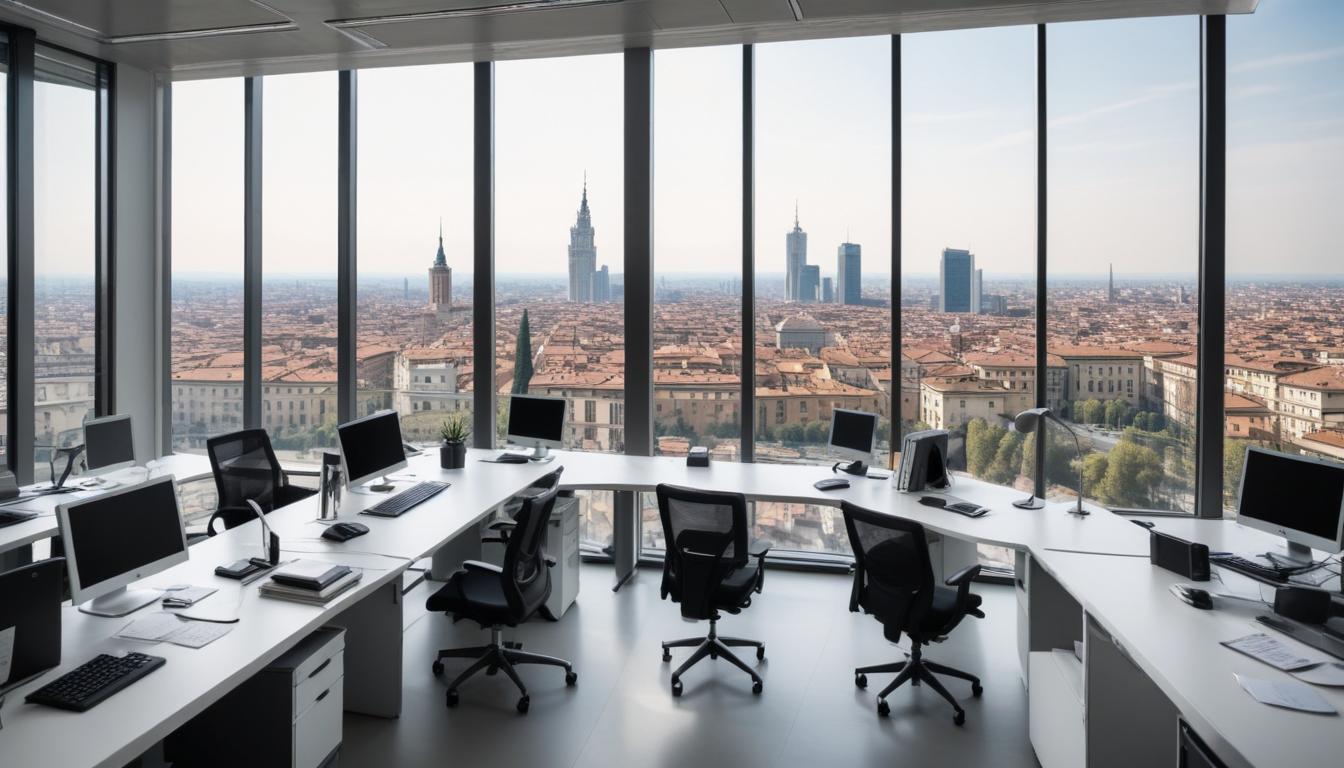
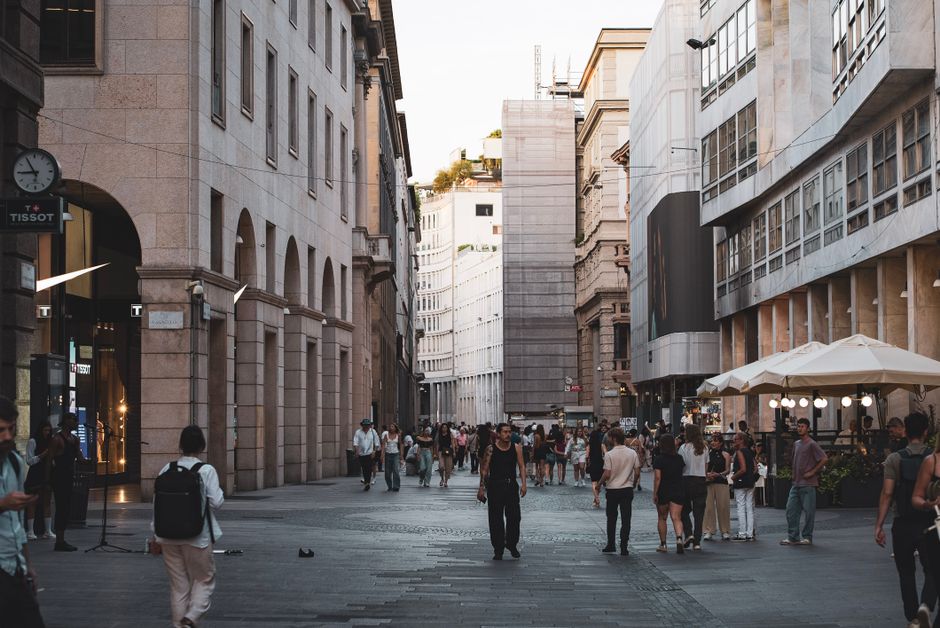
Walk into the modest offices tucked above a vintage fabric shop on Via Torino, and you'll find none of the ostentatious trappings typical of Milan's fashion district. Yet this is where one of the city's most ambitious supply-chain innovators is quietly reshaping how European manufacturers navigate an increasingly fractious global economy.
The venture, launched in 2022, has grown from a three-person startup to a team of forty, managing logistics connections across forty-two countries. What began as a frustration—long waits at customs, byzantine tariff structures, suppliers scattered across unstable regions—has evolved into a digital platform that has already saved participating firms an estimated €2.3 million in compliance costs annually.
The company's rise coincides with a broader shift in Milan's business identity. While the city remains synonymous with luxury goods, its role as a global trading hub is increasingly defined by entrepreneurs who see technology and logistics as the new frontier. The Chamber of Commerce reports that nearly sixty percent of Milanese export-oriented firms now employ some form of supply-chain digitisation—a figure that has nearly doubled since 2020.
The geopolitical backdrop makes such innovation timely. Recent tensions affecting Middle Eastern shipping routes and ongoing uncertainties in Venezuela and Pakistan have sent tremors through global trade. Manufacturers in the Lambrate and Navigli districts, who depend on predictable sourcing and delivery timelines, have become vocal advocates for solutions that reduce exposure to these vulnerabilities.
"Milan has always been a city of merchants," explains Andrea Brera, director of the Milan Chamber of Commerce. "What's changed is the complexity. A century ago, traders navigated political risk through personal relationships and local knowledge. Today, that same instinct is channeled through data infrastructure."
The company's platform aggregates real-time port congestion data, tariff changes, and geopolitical risk assessments—allowing firms to pivot sourcing strategies within hours rather than weeks. A textile manufacturer in the Brera district reported rerouting shipments away from congested Mediterranean ports last month, saving approximately 12 days on a single delivery.
Growth hasn't been without friction. Larger logistics conglomerates have watched warily, while data privacy advocates have raised concerns about the platform's collection of trade-sensitive information. Yet adoption continues to accelerate, particularly among mid-sized Italian manufacturers facing margin pressures.
For a city historically defined by craftsmanship and design, the rise of such ventures signals an evolution: Milan is learning to compete not just on aesthetics, but on the invisible architecture that underpins global commerce.
This article was compiled by AI from the sources linked above and screened before publishing. See our editorial standards.