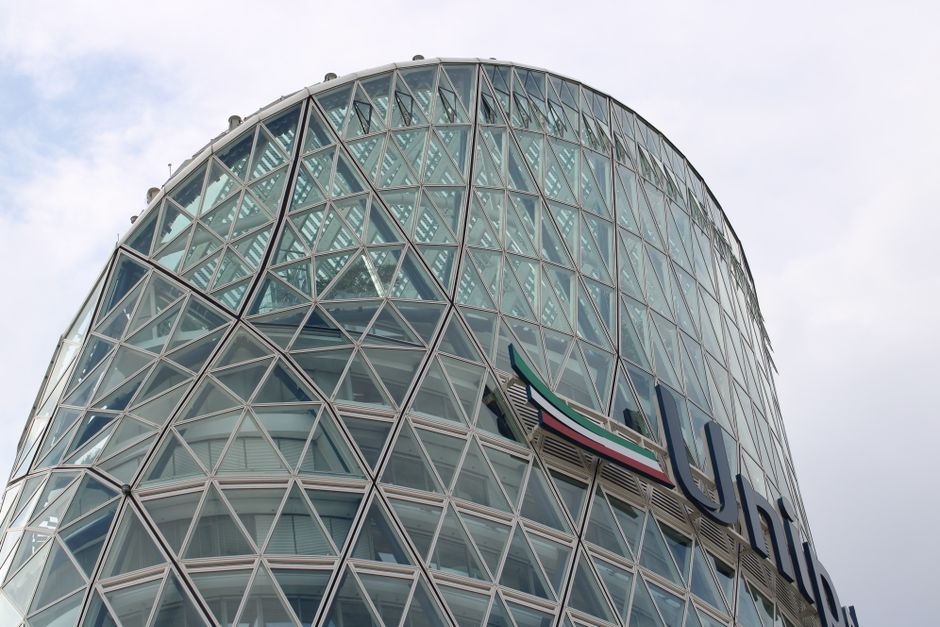
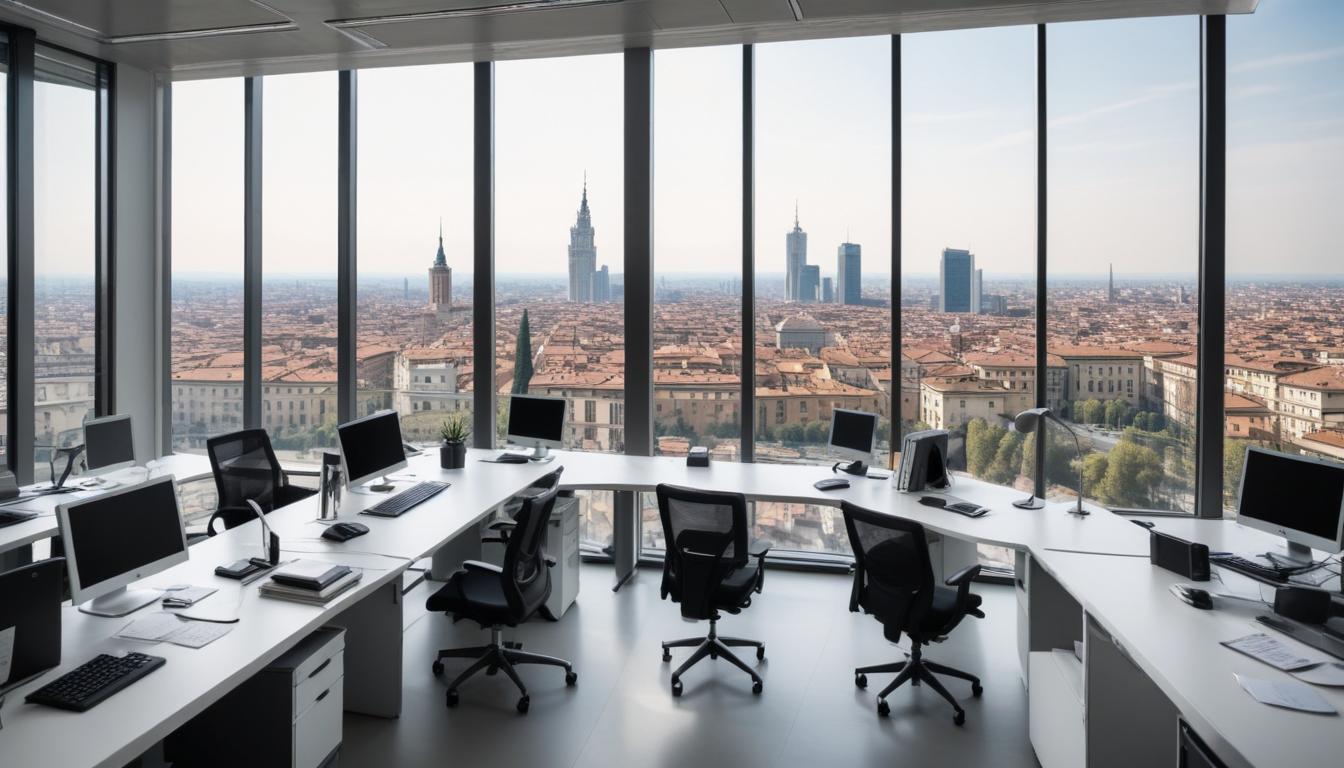
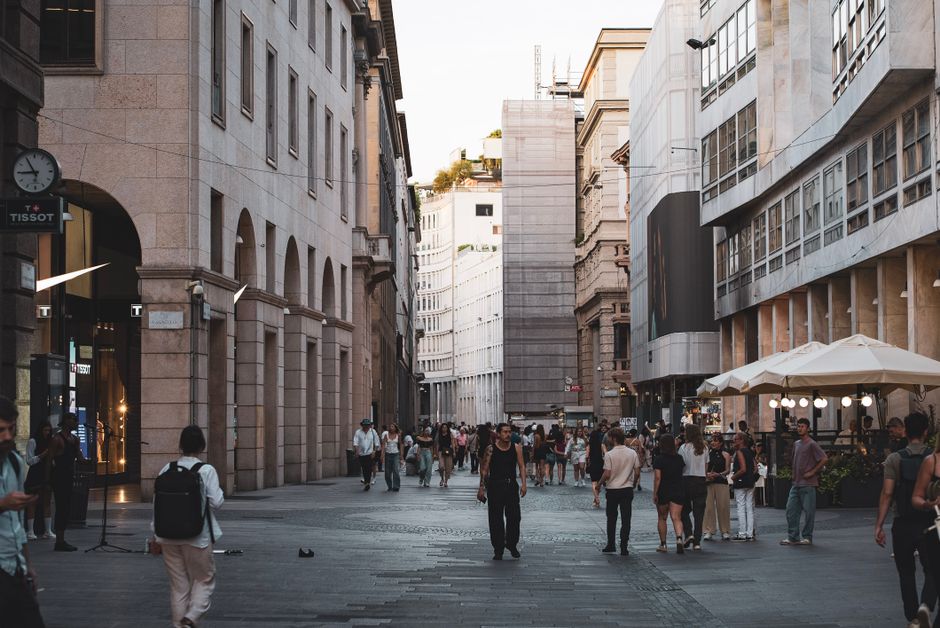
The gleaming office towers along Corso Buenos Aires tell one story about Milan's economy in 2026. The half-empty conference rooms on the eighth floor of the Pirelli building tell another entirely.
Three years into the post-pandemic workplace experiment, Milan's labour market is undergoing a profound realignment that nobody quite anticipated. While remote-work flexibility was supposed to democratise opportunity, it has instead created a bifurcated jobs ecosystem—one that is simultaneously draining prestige positions from the Quadrilatero d'Oro while scattering new employment clusters across Lambrate, Porta Romana, and even as far as Corsico.
According to data from the Chamber of Commerce, Milan's office vacancy rate now hovers near 12 per cent, up from 6.3 per cent in 2022. Meanwhile, major tech employers—from SoftwareOne's expanded operations to the growing startup scenes around Navigli—are increasingly offering four-day office weeks or fully distributed teams. The mathematics are brutal for traditional commercial real estate, yet curiously liberating for talent acquisition.
"We're seeing job-seekers turn down higher salaries if they require five days in the Brera district," explains one recruiter working across Milan's financial services sector, speaking on condition of anonymity. "That's unprecedented." Junior accountants and junior developers—roles that once clustered desperately near Stazione Centrale—now have leverage they never possessed.
The reshaping extends beyond mere flexibility. Companies are competing for talent by offering studio subsidies in cheaper neighbourhoods like Affori or Cologno Monzese, reasoning that a €400 monthly workspace stipend costs less than upgrading their own square footage. Some startups in the Tortona Design District have abandoned traditional headquarters altogether, operating as hybrid collectives shared across multiple sites.
For Milan's struggling hospitality and service sectors, the consequences cut differently. Coffee shops near major office concentrations report diminished mid-morning traffic. Yet neighbourhood bars in areas like Porta Genova have seen professional demographics shift entirely—a new clientele of remote workers seeking proximity to home rather than commute convenience.
The city's employment agencies now compete on neighbourhood knowledge rather than just candidate databases. Local economic development officials quietly fret that dispersal undermines Milan's historical strength: density. The critical mass that made the city an economic powerhouse was always about serendipitous meetings, chance encounters in shared spaces, deals struck over lunch at established trattorie.
Yet some economists argue the disruption carries opportunity. If talent no longer clusters by geography but by sector and skill, Milan's peripheral neighbourhoods might finally develop the diverse, mixed-use character planners have long advocated. The question is whether that fragmentation ultimately strengthens or hollows out the city's most valuable asset: its ability to concentrate human capital.
This article was compiled by AI from the sources linked above and screened before publishing. See our editorial standards.