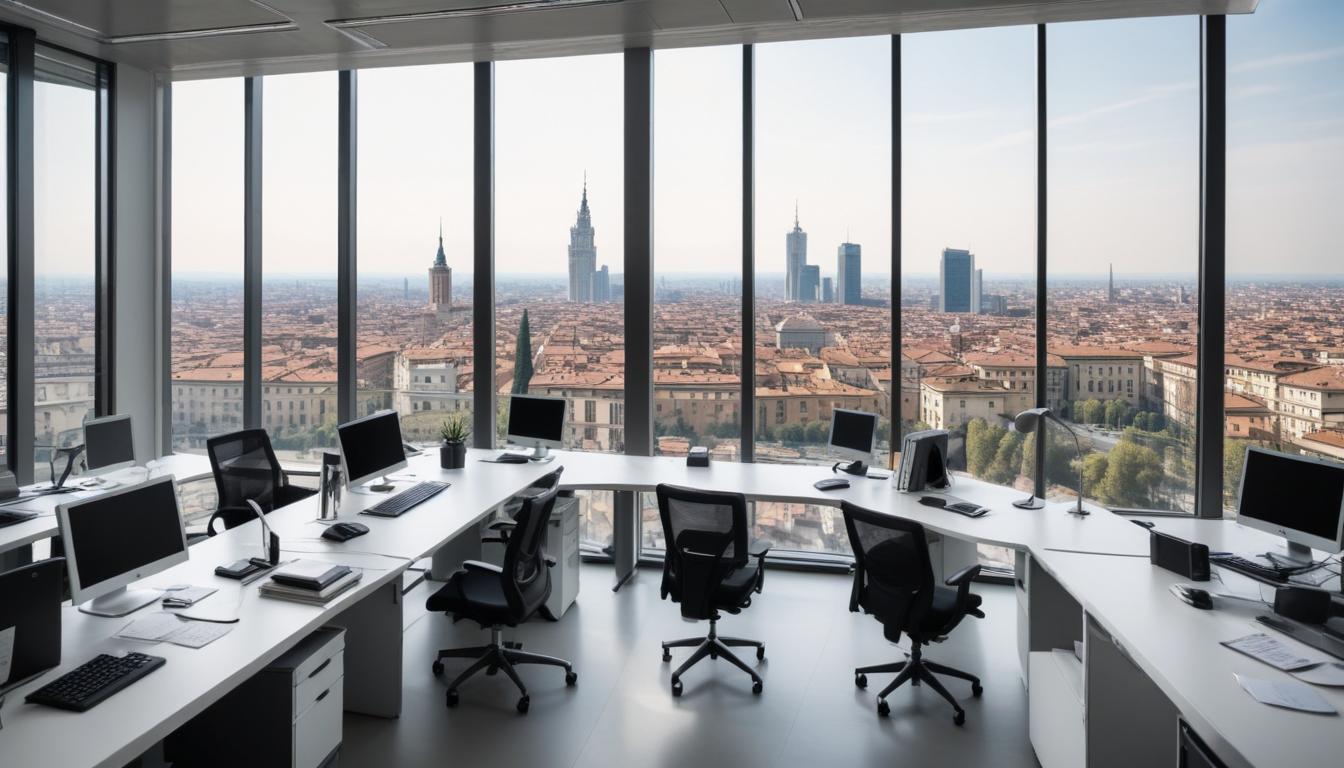
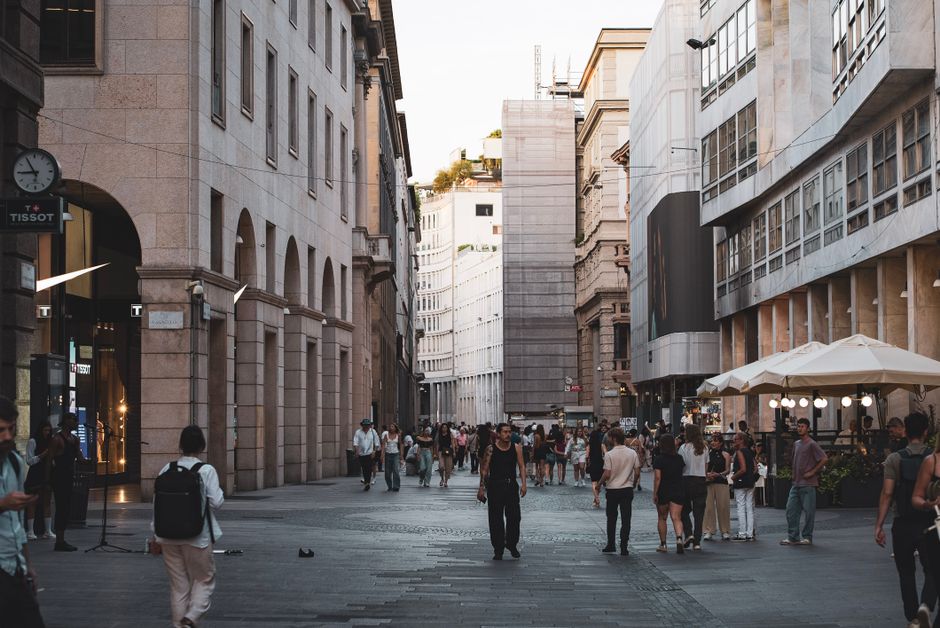
Walk through the narrow streets of Isola, Milan's gritty-turned-creative neighbourhood north of the Navigli, and you'll find the kind of startup origin story that would fit neatly into any venture capital pitch deck. Inside a converted printing warehouse on Via Torino, a team of twelve engineers and designers is building software that helps European manufacturers reduce industrial carbon emissions—work that has caught the eye of major institutional investors across the Atlantic.
The company, founded in 2023, exemplifies a broader shift in Milan's startup ecosystem. According to data from the Milan Chamber of Commerce, innovation-focused startups in the city grew 34 percent year-on-year through 2025, with deep-tech and climate solutions attracting disproportionate venture attention. The city's proximity to manufacturing hubs in Lombardy—responsible for nearly 8 percent of Italy's GDP—has created an unexpected advantage for founders solving industrial problems.
"Milan was always known for fashion and finance," explains one entrepreneur working in the Garibaldi-Repubblica district, where glossy tech offices now share blocks with traditional design studios. "But there's real engineering talent here. People underestimate that."
The ecosystem has matured considerably. Polihub, the innovation hub housed within the Politecnico di Milano campus, now hosts over 80 active ventures. Venture funding into Milan-based startups reached €520 million in 2025, nearly double the figure from three years prior. Co-working spaces like Hubble and The Spot have become reliable fixtures, offering desk space starting around €350 monthly—cheaper than comparable Berlin or Amsterdam facilities, yet in a city with lower overall operating costs.
Yet challenges remain. Milan startups still struggle with Series B funding rounds, with many founders forced to pursue capital in London or Frankfurt rather than securing it locally. Brain drain persists: younger technologists often head north to Switzerland or west to the Bay Area. Government support, while improving, lags behind German and French innovation incentives.
Still, the recent wave suggests momentum. Last month, two Milan-based climate tech founders were selected for a prestigious EU innovation programme, and a hardware company specialising in sustainable packaging machinery—headquartered in Porta Romana—raised €8.2 million from a London-based climate fund.
For Milan's business community, the message is clear: the city's next chapter won't be written by legacy industries alone. It will be built by the engineers, designers, and risk-takers now working in converted warehouses and repurposed office spaces across Isola, Garibaldi, and beyond.
This article was compiled by AI from the sources linked above and screened before publishing. See our editorial standards.