Milan's Tourism Boom: What Residents Need to Know About Living in a Global Hotspot
As visitor numbers surge, Milanese face rising rents, crowded transport, and transformed neighbourhoods—here's what the numbers really mean for your daily life.
As visitor numbers surge, Milanese face rising rents, crowded transport, and transformed neighbourhoods—here's what the numbers really mean for your daily life.
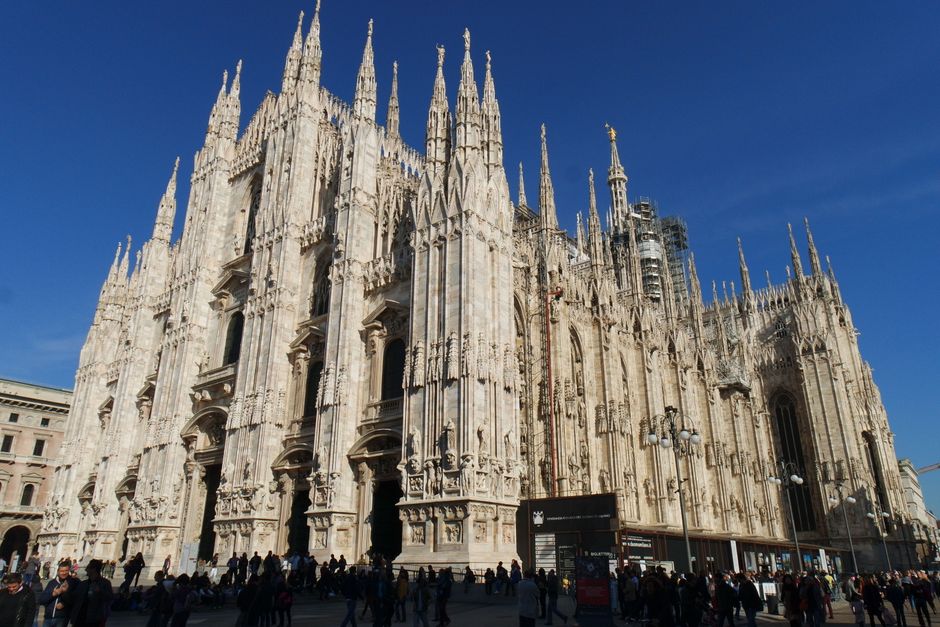
Milan welcomed 6.2 million tourists last year—a 23% jump from 2024—and the trend shows no signs of slowing. For residents navigating the city's Navigli canals, Duomo district, and vibrant Brera galleries, this prosperity comes with tangible costs that extend far beyond Instagram-worthy landmarks.
The visitor economy is reshaping housing affordability across the city. Short-term rental platforms have transformed entire blocks of Porta Romana and Sant'Ambrogio into de facto hotel zones. Property owners increasingly convert long-term apartments into tourist accommodation, squeezing the rental market. Average monthly rents in central Milan have climbed to €950 per square metre annually—a 16% increase since 2023—pricing out young professionals and families who sustain the city's working economy.
Public transport tells another story. The MM1 and MM3 lines experience peak crowding not just during traditional rush hours but throughout the day. Commuters report 40% longer journey times on routes connecting Centrale to the Duomo and Cadorna stations, as tour groups navigate with luggage during off-peak hours. The ATM transit authority hasn't proportionally increased service capacity, despite tourism revenue contributing €2.8 billion annually to Milan's economy.
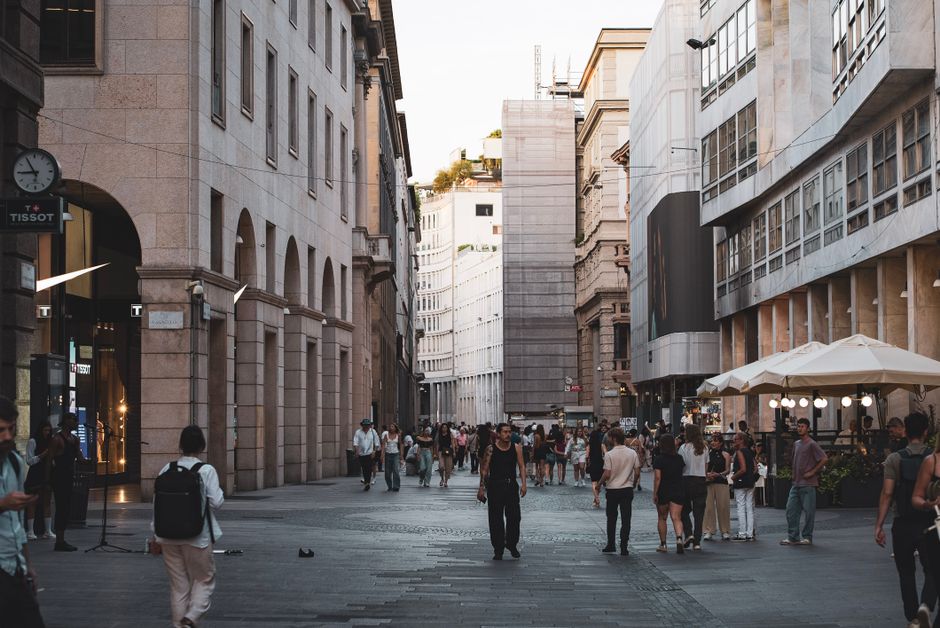
Neighbourhood character is shifting. The Corso Como corridor—once a mixed residential and creative quarter—now functions primarily as a tourist corridor with premium-priced restaurants and boutiques replacing neighbourhood osterias. Residents report diminished access to everyday services; a corner grocer on Via Torino closed last month to make way for a designer hotel.
However, tourism isn't uniformly negative. Revenue supports cultural institutions like the Pinacoteca di Brera and Castello Sforzesco, funding restoration projects and expanding collections. The hospitality sector employs 45,000 people directly, with wages averaging €24,000 annually—above-average for service work but insufficient to afford housing in the neighbourhoods where jobs concentrate.
What residents genuinely need to understand: Milan's visitor economy operates on a two-tier system. Benefits flow largely to property owners, hospitality corporations, and luxury retailers, while costs—housing displacement, infrastructure strain, cultural dilution—distribute across working residents and small businesses. The city council's new housing protection ordinance, requiring landlords to maintain 20% long-term rentals in central zones, attempts rebalancing. Success depends on enforcement.
The fundamental question isn't whether tourism is good or bad. It's whether Milan will actively manage growth to benefit everyone, or allow visitor numbers to drive residents outward while the city becomes an open-air museum for outsiders.
This article was compiled by AI from the sources linked above and screened before publishing. See our editorial standards.
How does this story make you feel?
Spread the word
About this article
Published by The Daily Milan
Daily brief
Free, in your inbox before 7am. Weekdays.
More in Business