Milan's Retail-Hospitality Crossroads: What Operators Must Know as Consumer Behaviour Shifts
Rising costs and changing customer expectations are forcing restaurants and shops across the city to rethink everything from staffing to menu design.
Rising costs and changing customer expectations are forcing restaurants and shops across the city to rethink everything from staffing to menu design.
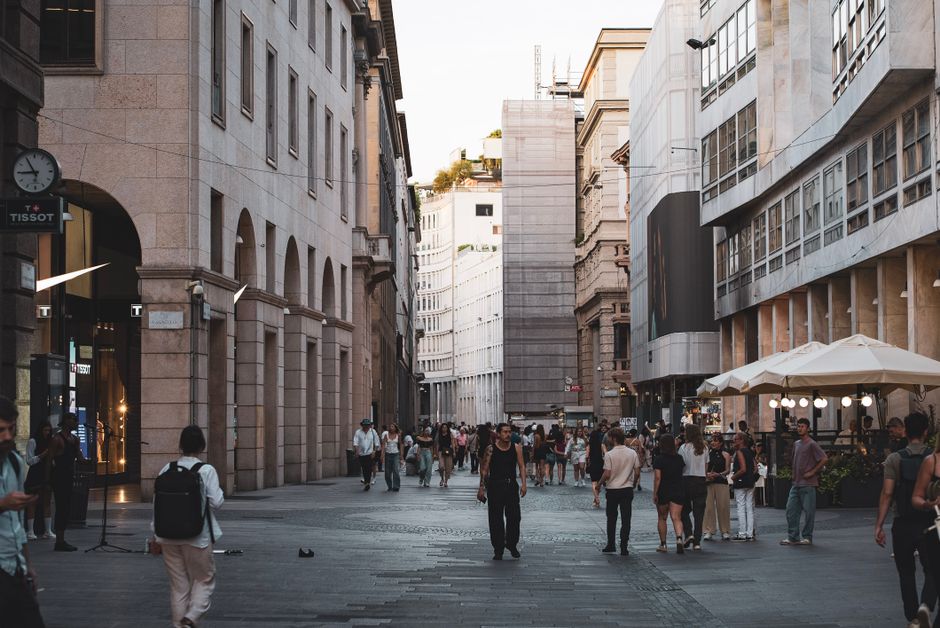
Milan's retail and hospitality sectors are at a critical inflection point. As summer 2026 approaches, operators across the Duomo district, Navigli neighbourhood, and beyond are grappling with compounding pressures: labour shortages, fluctuating foot traffic patterns, and evolving consumer preferences that demand both premium experiences and value consciousness.
Data from the Milan Chamber of Commerce indicates that independent restaurants saw a 12% decline in customer visits during the first half of 2026 compared to the same period last year, though average transaction values increased by 8%. This paradox—fewer customers spending more per meal—reveals the market's polarisation. High-end establishments in the Montenapoleone fashion district and along Via Torino continue to attract international visitors and wealthy locals, while mid-market venues struggle to justify rising operational costs.
Labour remains the sector's most acute challenge. Hospitality workers in Milan command salaries 18–22% higher than five years ago, yet vacancies persist. Many establishments from the Brera district to the Porta Garibaldi area report difficulty maintaining full staffing, particularly for kitchen positions. Some operators are responding by reducing service hours or introducing service charges explicitly rather than relying on discretionary tips—a shift that's reshaping customer expectations.
Technology adoption is accelerating unevenly. While major restaurant groups and international chains have integrated contactless ordering and advanced inventory management, smaller family-run trattorie often lack digital infrastructure. This creates competitive disadvantages precisely when supply chain visibility matters most. Food costs, particularly imported proteins and specialty ingredients, remain volatile. Several wholesalers serving the city's 8,000-plus food service establishments report price swings of 4–6% month-on-month.
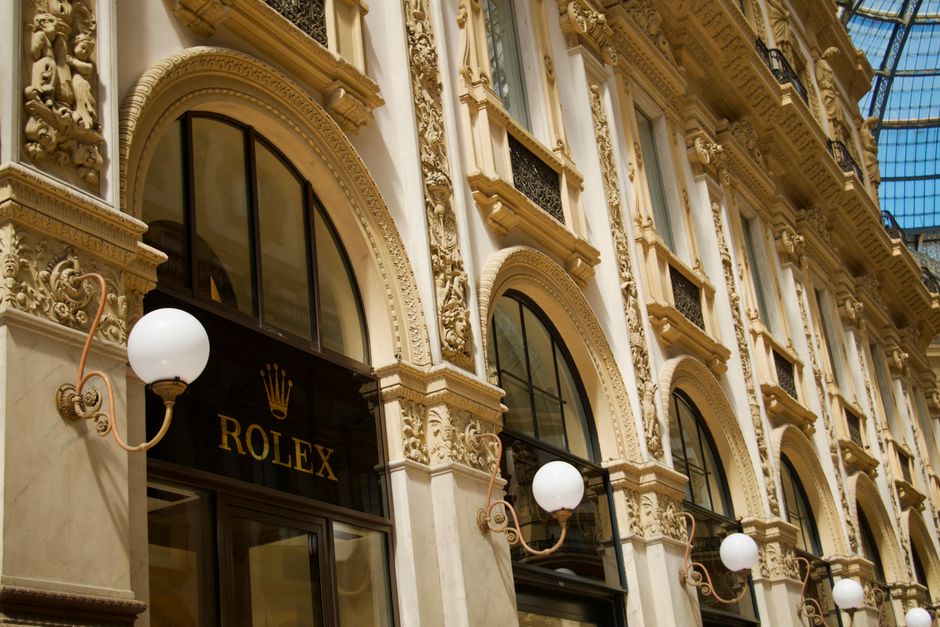
Retail dynamics mirror hospitality's challenges. Department stores and fashion retailers on Via Montenapoleone report robust margins but constrained customer traffic. Conversely, convenience-focused retailers and discount chains have gained ground, suggesting that budget-conscious shoppers are deliberately shifting habits. Tourism recovery—Milan welcomed approximately 2.8 million visitors in the first five months of 2026—has supported hospitality more than retail, with souvenirs and food experiences outperforming clothing and accessories.
Industry observers suggest operators must act on three fronts: invest selectively in technology that reduces labour dependency; diversify revenue streams through events, corporate catering, or retail collaborations; and carefully segment pricing to serve both premium and value-conscious customers. The city's strongest performers aren't those chasing volume or premium positioning exclusively, but rather those crafting clear operational identities that justify their cost structure.
This article was compiled by AI from the sources linked above and screened before publishing. See our editorial standards.
How does this story make you feel?
Spread the word
About this article
Published by The Daily Milan
Daily brief
Free, in your inbox before 7am. Weekdays.
More in Business