Why Milan Residents Need to Understand How Tourism is Reshaping Your City—and Your Wallet
From Navigli to the Duomo, the visitor economy is transforming everyday life in Milan; here's what locals should know about the trade-offs.
From Navigli to the Duomo, the visitor economy is transforming everyday life in Milan; here's what locals should know about the trade-offs.
Milan's tourism numbers tell a stark story. Post-pandemic recovery has pushed visitor arrivals past pre-2020 levels, with nearly 10 million tourists expected this year—a figure that fundamentally reshapes how the city functions for the 1.3 million people who actually live here. Understanding this shift isn't academic; it directly affects your commute, your rent, and the character of your neighbourhood.
The economics are significant. Tourism contributes roughly €5.5 billion annually to Milan's economy, supporting approximately 45,000 jobs across hotels, restaurants, retail, and cultural institutions. Yet this prosperity masks a genuine tension. Property owners in traditional residential areas like Brera and Navigli increasingly convert apartments into short-term rentals, squeezing long-term housing supply and driving up rents. A two-bedroom flat in Navigli that rented for €1,200 five years ago now costs €1,800—partly because property managers can charge tourists €150 per night.
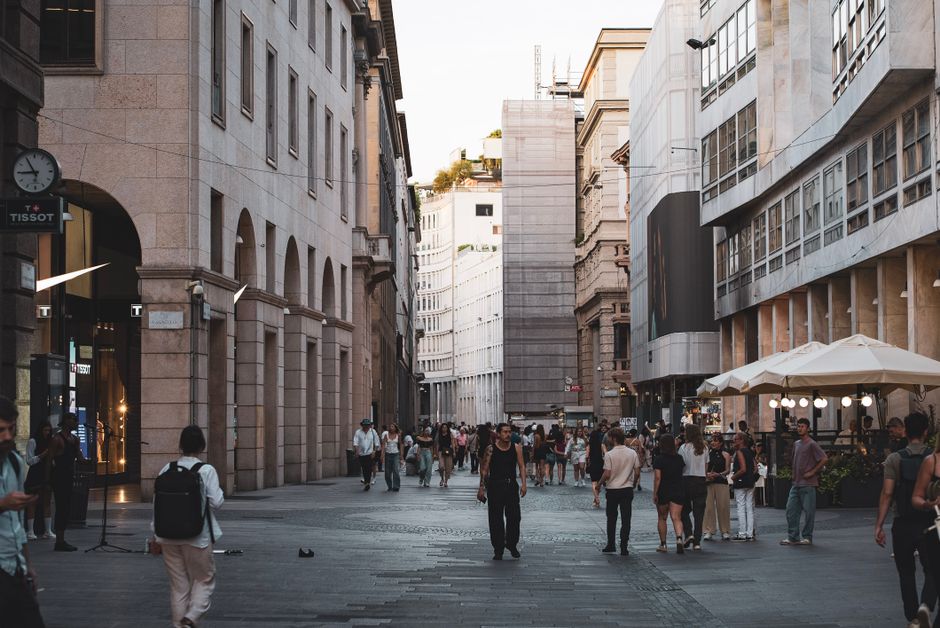
The Duomo and surrounding Piazza surroundings exemplify the challenge. While tourism generates enormous revenue, overcrowding during peak season creates genuine friction. Queue times for the Cathedral now regularly exceed 90 minutes. The congestion ripples through the Milan Metro system and affects locals' ability to navigate their own city efficiently.
But residents should also recognise the tangible benefits beyond abstract economics. Better hotel infrastructure, improved public transport connectivity, and enhanced safety measures in major districts have raised living standards. The Rinascente department store, Sforza Castle, and La Scala theatres operate at higher international standards because of tourism demand. Young Milanese workers increasingly find employment in hospitality and cultural sectors—careers that didn't exist at comparable scales a decade ago.
What matters now is whether the city can manage this evolution sustainably. Milan's administration has started implementing limits on short-term rental licenses and investing in less-visited neighbourhoods to distribute visitor pressure. Areas like Isola and Porta Venezia are deliberately promoted to reduce footfall concentration.
The practical takeaway: Milan's tourism economy is neither wholly beneficial nor problematic—it's a negotiation. Residents should engage with local policy discussions about visitor caps, neighbourhood preservation, and housing protections. Your voice shapes whether tourism becomes an asset that enhances city life or a force that fundamentally alters Milan's character for profit.
This isn't about limiting visitors. It's about ensuring Milanese residents remain stakeholders—not spectators—in their own city's future.
This article was compiled by AI from the sources linked above and screened before publishing. See our editorial standards.
How does this story make you feel?
Spread the word
About this article
Published by The Daily Milan
Daily brief
Free, in your inbox before 7am. Weekdays.
More in Business