Milan's Retail-Hospitality Crossroads: Market Trends and What Businesses Must Know Right Now
As foot traffic patterns shift and consumer spending habits evolve, Milan's food and hospitality sector faces a critical recalibration.
As foot traffic patterns shift and consumer spending habits evolve, Milan's food and hospitality sector faces a critical recalibration.
Milan's retail-hospitality landscape is undergoing profound changes as we head into the second half of 2026, and operators across the city need to adapt quickly or risk being left behind.
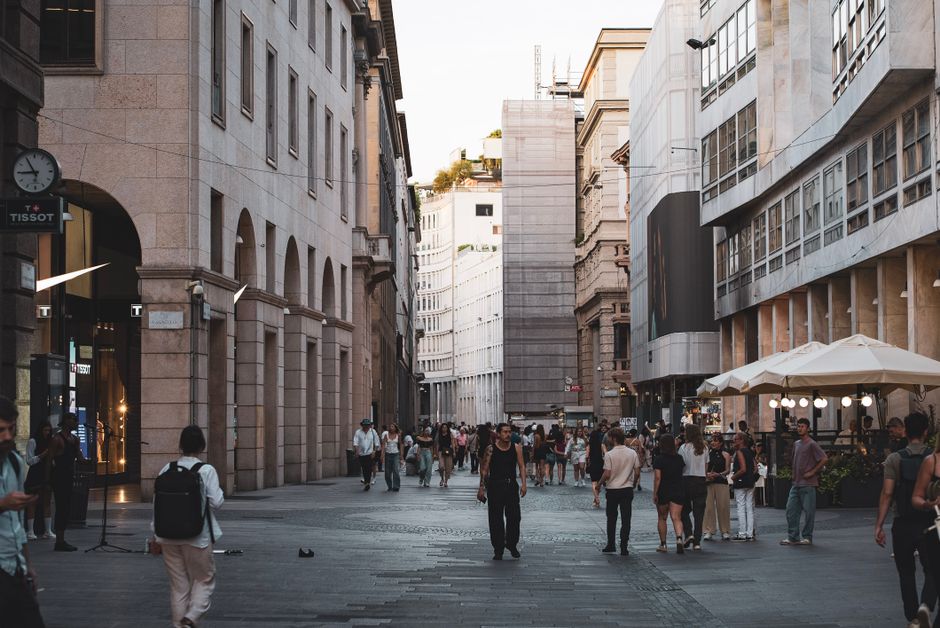
The most striking trend is the geographic fragmentation of consumer behaviour. While traditional powerhouses like Via Montenapoleone continue to draw luxury shoppers, data from the Chamber of Commerce Lombardy indicates that secondary neighbourhoods—Navigli, Isola, and Lambrate—are capturing an outsized share of younger diners and casual retail browsers. This represents a 12% shift in footfall distribution compared to 2024, forcing established operators on the city's main corridors to rethink their positioning.
Pricing pressure remains acute. The average meal in a mid-range Navigli restaurant now hovers around €28-32 per head, up from €24 two years ago, while consumer surveys show increasing price sensitivity. Simultaneously, quick-service formats and standing-room establishments are thriving—an 18% increase in aperitivo bars offering €5 drinks and €3 cicchetti across Corso Como and Brera suggests diners are trading down from full-service restaurants even as discretionary spending holds steady elsewhere.
The hybrid retail model is no longer optional. Businesses that integrate online ordering, click-and-collect, and seated dining are outperforming single-channel operators by roughly 22%, according to recent retail association data. Small independent retailers on streets like Via Torino are discovering that digital integration—once considered a corporate luxury—is now survival equipment.
Sustainability messaging is moving from marketing gimmick to operational requirement. Consumers, particularly in affluent pockets like Porta Romana, increasingly demand transparent sourcing and waste reduction. Three-star Michelin establishments are finding they must publicly document supply chains, not merely advertise them. This is reshaping supplier relationships across the entire food supply chain.
Labour dynamics are reshaping unit economics. Wage pressure and staff turnover in Milan's hospitality sector have accelerated, with annual turnover reaching 35% in some casual dining segments. This is forcing operators to invest in training, retention bonuses, and technology that reduces staffing dependency—a structural cost increase that cannot be fully passed to price-sensitive consumers.
For businesses looking ahead, the message is clear: geographic diversity, flexible pricing models, digital integration, and genuine sustainability commitments are no longer differentiators—they're the baseline. The winners in Milan's competitive food and retail markets will be those who move fastest to embed these principles into their operations.
This article was compiled by AI from the sources linked above and screened before publishing. See our editorial standards.
How does this story make you feel?
Spread the word
About this article
Published by The Daily Milan
Daily brief
Free, in your inbox before 7am. Weekdays.
More in Business