Milan's commercial property market is undergoing a quiet revolution, and it's beginning to ripple through your neighbourhood in ways that directly affect your wallet and your daily life. Understanding these shifts isn't just for property investors—it's essential context for anyone living or renting in the city.
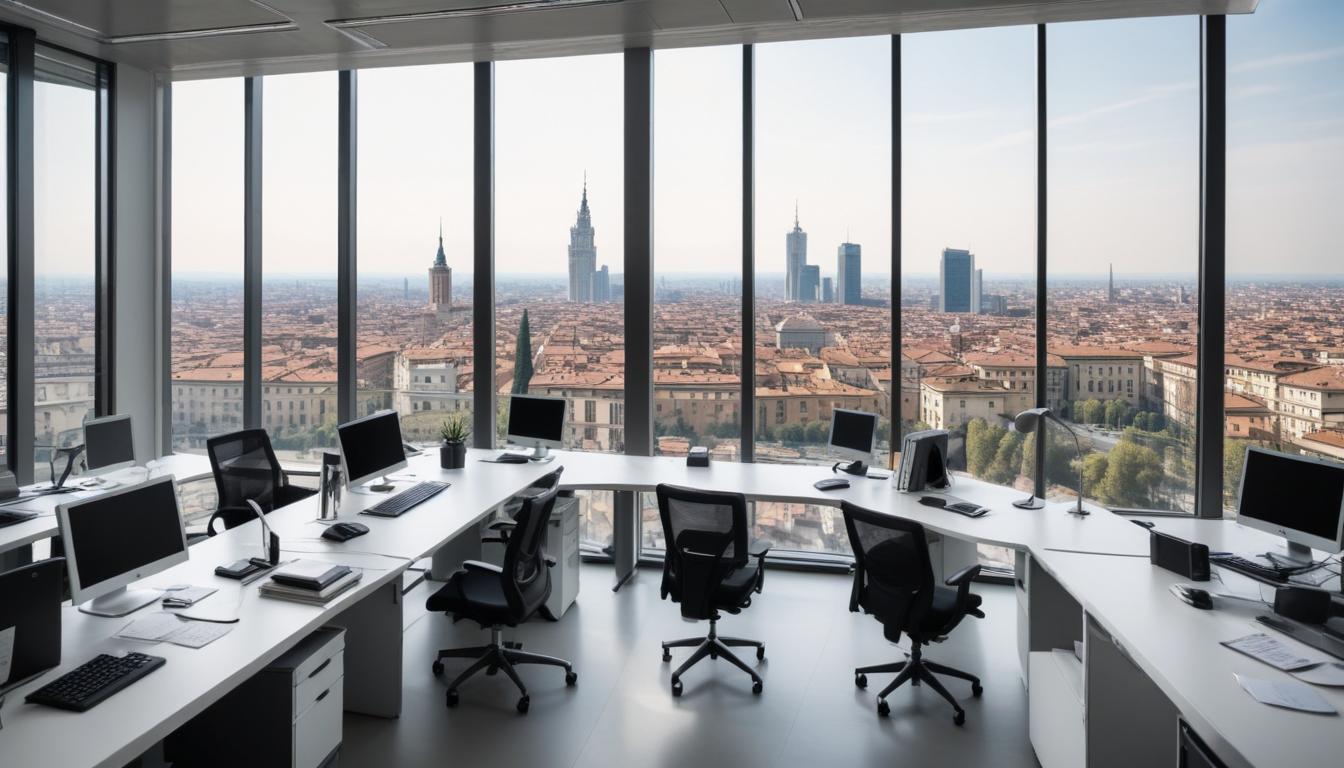
The headline trend: office vacancy rates in Milan's central business districts have climbed to levels not seen since the early 2000s. While pre-pandemic, premium office space in the Porta Nuova and Garibaldi neighbourhoods commanded €650 per square metre annually, current asking prices have softened to €520-580. This might sound like good news for businesses downsizing, but the real estate rebalancing has a darker side for residents. As companies consolidate operations or embrace hybrid working models, landlords are racing to convert underutilised commercial floors into residential units—a trend reshaping neighbourhoods like Lambrate and Isola, where centuries-old warehouse districts are rapidly gentrifying.
This conversion frenzy has direct consequences. Residential rents in formerly working-class areas have surged 18-22% since 2023, according to local property analysts. A two-bedroom apartment in Navigli that rented for €1,200 two years ago now approaches €1,500. Young families and long-term residents are being priced out, replaced by affluent professionals and investment portfolios.
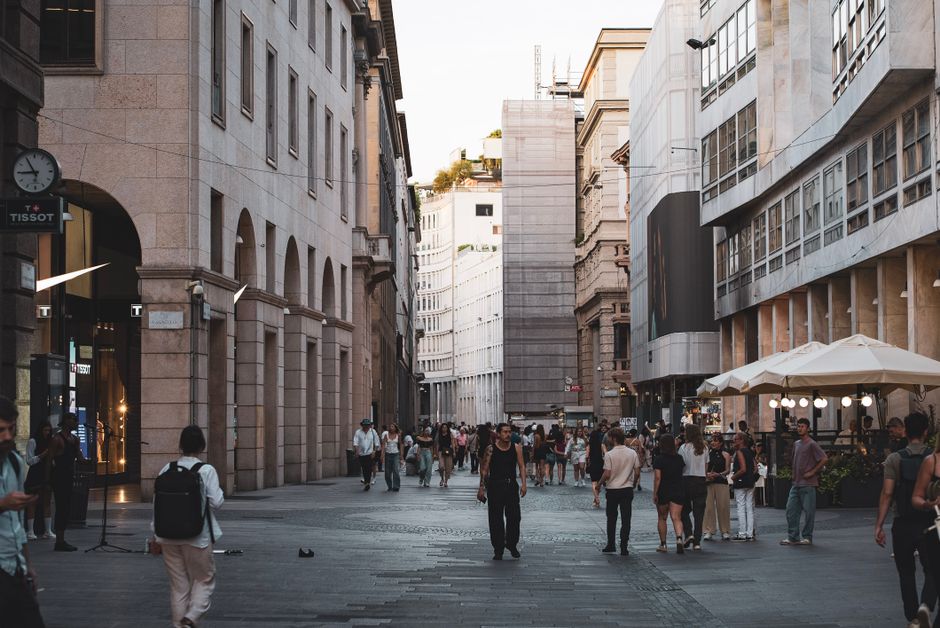
The street-level experience is transforming too. Where workshops and small manufacturers once operated, artisanal coffee shops and high-end retail now cluster. The texture of neighbourhoods—the noise, the foot traffic patterns, the sense of who belongs—shifts when a district transitions from commercial to residential. Sant'Ambrogio's proximity to Bocconi University has made it increasingly expensive, as student housing demand intersects with this broader commercial-to-residential conversion trend.
There are pockets of resistance. The Zona Tortona industrial district, beloved by creative industries and small enterprises, has fought aggressively against wholesale residential conversion, maintaining its mixed-use character. But it remains an exception rather than the rule.
For residents, the practical takeaway is this: if you're renting or considering buying in Milan, monitor what's happening to commercial buildings in your neighbourhood. Conversion applications filed at the Comune signal coming rent pressure. Equally, if your neighbourhood still maintains active commercial life, that's economically valuable—it keeps rents competitive and preserves the diversity that makes Milan liveable beyond its glossy business reputation. The office market's retreat isn't abstract—it's literally remaking the Milan where you live.
This article was compiled by AI from the sources linked above and screened before publishing. See our editorial standards.