Milan's retail hospitality and food sectors are experiencing a marked inflection point this summer, driven by a confluence of factors that savvy operators are already exploiting. Extended tourist flows—traditionally peaking in May and September—are now sustaining through July, while domestic Italians are spending more on experiential dining and accommodation rather than packaged goods, fundamentally altering where opportunity lies.
The transformation is most visible in the Navigli district and around Corso Como, where mid-range restaurants have pivoted aggressively toward wine-focused menus and extended happy-hour formats that capture both lunch-hour professionals and evening tourists. Average check sizes have risen approximately 18% year-on-year in this sector, according to preliminary data from Milan's Chamber of Commerce, as operators shift from volume-driven models to margin-optimized offerings. Venues leveraging local producers—particularly from Lombardy's wine country—are reporting stronger retention among repeat visitors.
The lodging sector tells a similarly bullish story. While luxury properties like those in the Brera neighborhood maintain steady occupancy, the real growth is concentrated in upper-midscale and boutique accommodations, where room rates have climbed to €180–280 per night, up from €155–240 last summer. Operators who invested in flexible workspace and extended-stay packages—targeting remote workers and digital nomads—are reporting 75% occupancy rates compared to the sector average of 62%.
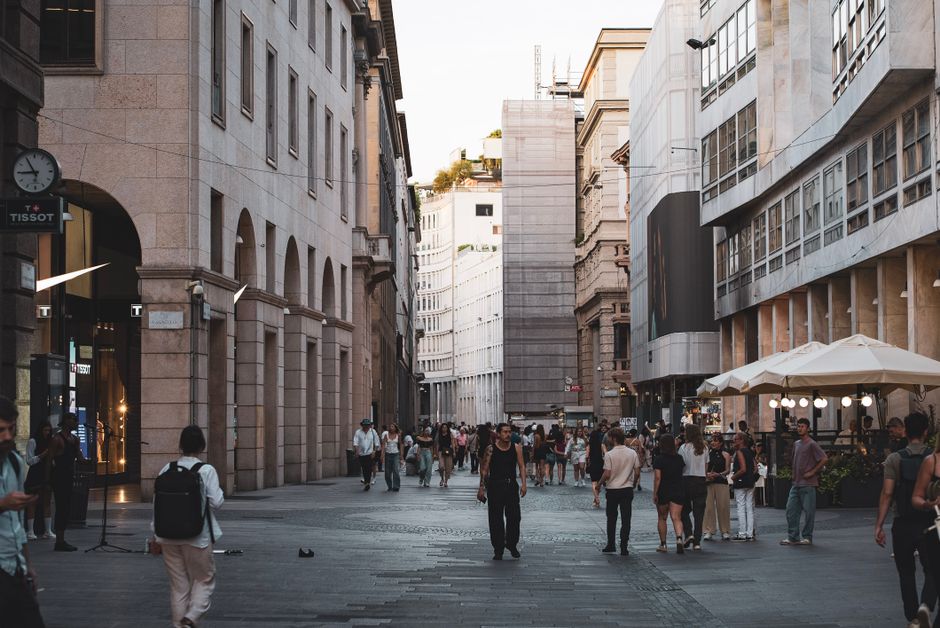
Not everyone is winning equally. Traditional quick-service operators on Corso Vittorio Emanuele and surrounding shopping corridors are feeling margin pressure, as tourist spending increasingly flows toward experience-driven venues rather than transactional retail dining. Several established café chains have quietly reduced opening hours or restructured staffing, reflecting a shift in consumer behavior away from grab-and-go toward sit-down experiences.
Food delivery platforms, meanwhile, have recalibrated their Milan strategy. Rising commission complaints from independent operators have prompted several platforms to expand commissary-style ghost kitchens in logistics hubs around Pero and Rho, banking on volume economics rather than restaurant partnerships—a model gaining traction with younger operators who lack physical retail space.
The real beneficiaries, however, are operators with capital to innovate: restaurants coupling high-quality ingredients with data-driven reservation systems, and hospitality groups with sufficient scale to absorb technology investments. For entrepreneurs and smaller independent operators, the opportunity window remains open—but it increasingly demands sophistication in yield management and customer data analytics, not merely culinary skill or convenient location. Milan's hospitality landscape is bifurcating, and the tools you bring matter as much as the doors you open.
This article was compiled by AI from the sources linked above and screened before publishing. See our editorial standards.