Milan's Small Business Owners Face Shifting Consumer Habits—Here's What to Watch
Rising costs, changing retail patterns, and digital demand are reshaping opportunities for entrepreneurs across the city's neighbourhoods.
Rising costs, changing retail patterns, and digital demand are reshaping opportunities for entrepreneurs across the city's neighbourhoods.

Milan's small business landscape is undergoing a quiet but significant transformation as shop owners and entrepreneurs navigate a complex mix of economic headwinds and emerging opportunities. With commercial rents in central areas like Brera and the Navigli still hovering between €80–120 per square metre monthly, and overhead costs climbing steadily, business owners are reassessing their strategies faster than ever.
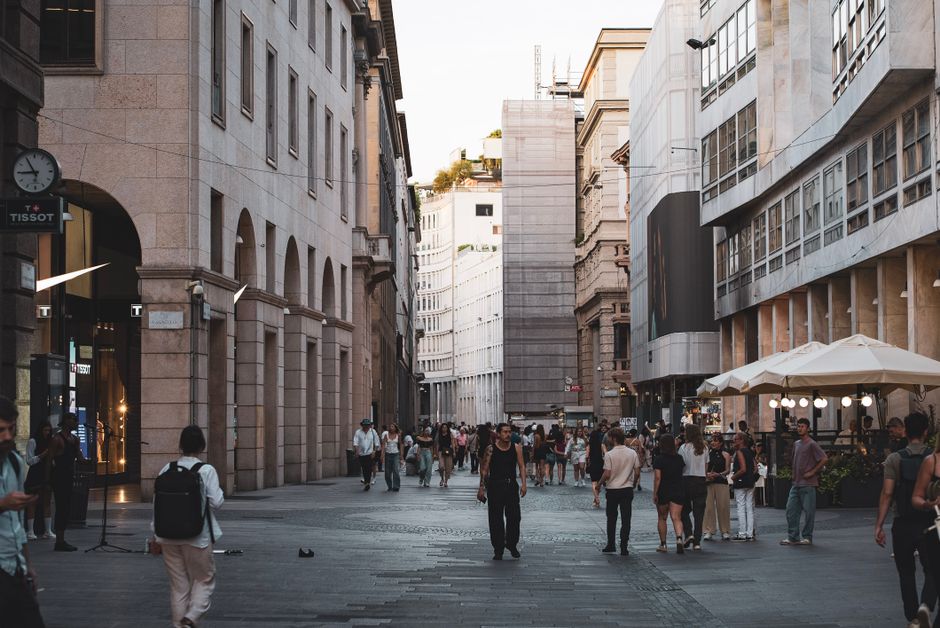
Data from the Camera di Commercio di Milano shows that foot traffic in traditional retail zones has stabilised but remains below pre-pandemic peaks, while online sales channels now account for roughly 40% of total turnover for small retailers. This shift demands attention. Entrepreneurs operating shops along Via Torino and in Corso Buenos Aires—traditionally Milan's busiest retail corridors—report that daytime customer patterns have fragmented. Morning commuters still drive footfall, but the predictable afternoon surge has evaporated, replaced by concentrated weekend browsing.
The rise of experiential retail is creating new possibilities, however. Micro-hospitality venues, independent coffee roasters, and concept boutiques are thriving in emerging neighbourhoods like Lambrate and Porta Venezia, where younger consumers and remote workers seek authentic, locally-driven experiences. Commercial spaces in these areas remain 30–40% cheaper than central Milan, making them attractive entry points for first-time entrepreneurs willing to invest in brand-building rather than premium locations.
For established business owners, the critical challenge is hybrid survival. Those successfully operating pop-up events, managing social media channels actively, and maintaining physical storefronts report stronger resilience. The Camera di Commercio's recent survey suggests that businesses combining digital presence with community engagement are experiencing 15–20% better growth than those relying on traditional retail alone.
Labour costs remain sticky, with skilled staff commanding €1,600–2,200 monthly salaries in customer-facing roles. Automation and efficiency tools are increasingly seen as essential rather than luxury investments. Many small business owners in the fashion, food, and artisan sectors are exploring shared workspace arrangements and collaborative purchasing agreements to reduce individual burden.
For entrepreneurs eyeing Milan right now, the message is clear: location premium alone no longer guarantees success. Authenticity, digital fluency, and genuine community connection are increasingly the currency that drives footfall and loyalty. Neighbourhoods like Isola and Porta Romana, once considered peripheral, are attracting risk-taking business owners precisely because they offer space to experiment and build loyal customer bases without the crushing rent burdens of Milan's traditional shopping districts.
This article was compiled by AI from the sources linked above and screened before publishing. See our editorial standards.
How does this story make you feel?
Spread the word
About this article
Published by The Daily Milan
Daily brief
Free, in your inbox before 7am. Weekdays.
More in Business