From Warehouse to Workspace: How One Milan Entrepreneur is Reshaping the City's Office Market
As traditional commercial real estate falters, a local developer's adaptive-reuse model is transforming industrial zones across the Navigli district.
As traditional commercial real estate falters, a local developer's adaptive-reuse model is transforming industrial zones across the Navigli district.
The Milan office market has been turbulent in recent years, with vacancy rates hovering near 8–9% across the city centre and many corporations relocating to satellite cities or embracing hybrid models. Yet in the gritty Navigli neighbourhood, one entrepreneur is quietly proving that Milan's commercial property sector still has life in it—if you're willing to think differently.
Andrea Colombo, founder of Spazi Rigenerati, has spent the last four years converting abandoned industrial warehouses along the Navigli canal into premium co-working and mixed-use office spaces. His flagship project, a 12,000-square-metre facility housed in a former textile factory on Via Corsico, now hosts over 40 small firms, startups, and creative agencies. Rents here run €18–24 per square metre monthly—undercutting the €28–35 typical of Brera or the Duomo district, yet offering modern amenities, natural light, and the cachet of an emerging creative quarter.
"The traditional landlord model isn't working anymore," Colombo told colleagues during a recent Real Estate Forum Milan panel. "Companies want flexibility, community, and authenticity. Historic industrial spaces offer all three."
His timing appears prescient. According to recent data from the Milan Chamber of Commerce, adaptive-reuse projects now account for nearly 18% of new commercial lettings in the city—up from just 6% in 2022. Meanwhile, speculative office development in the financial district has slowed considerably, with several major sites on Via Monte Rosa sitting partially vacant.
Colombo's model extends beyond Navigli. His second project, opening this September in Zona Tortona, will occupy a converted printing facility offering 8,500 square metres of flexible office space, event venues, and an in-house café concept designed by architect Stefano Boeri's studio. Pre-leasing commitments already exceed 65%.
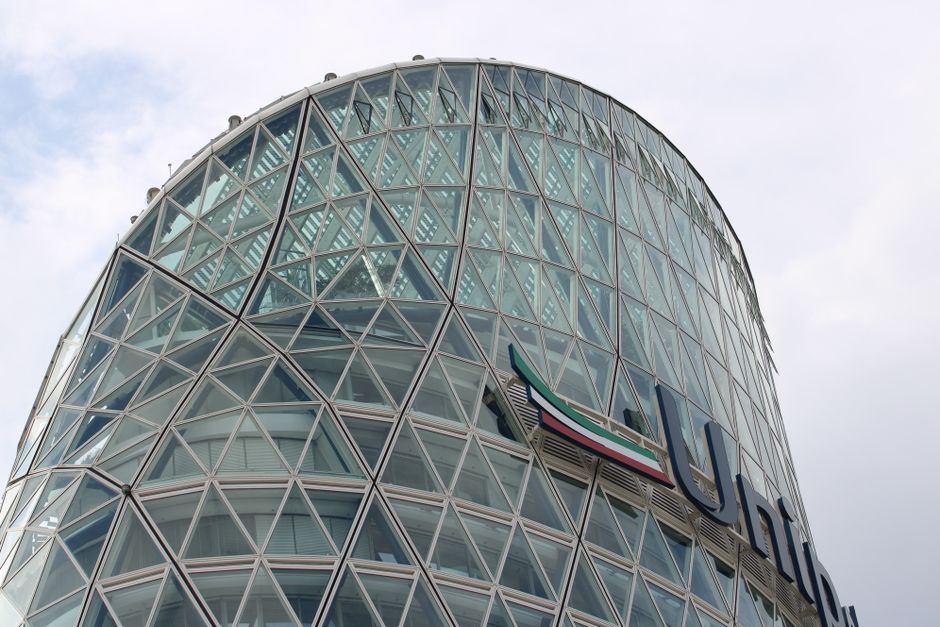
The broader implication for Milan's commercial property market is significant: authentic, mixed-use spaces in transitional neighbourhoods may prove more resilient than glass towers. With suburban office parks struggling and climate concerns pushing companies toward walkable, transit-rich zones, the Navigli corridor—increasingly served by extended metro connectivity—represents genuine competitive advantage.
Property consultants from Cushman & Wakefield note that institutional investors are paying close attention. Several pension funds have quietly begun acquiring Colombo's projects, betting that the adaptive-reuse trend will strengthen Milan's appeal to European tech and creative firms seeking alternatives to expensive London or Berlin space.
As Milan repositions itself post-pandemic, entrepreneurs like Colombo aren't waiting for the traditional market to bounce back—they're building around it.
This article was compiled by AI from the sources linked above and screened before publishing. See our editorial standards.
How does this story make you feel?
Spread the word
About this article
Published by The Daily Milan
Daily brief
Free, in your inbox before 7am. Weekdays.
More in Business