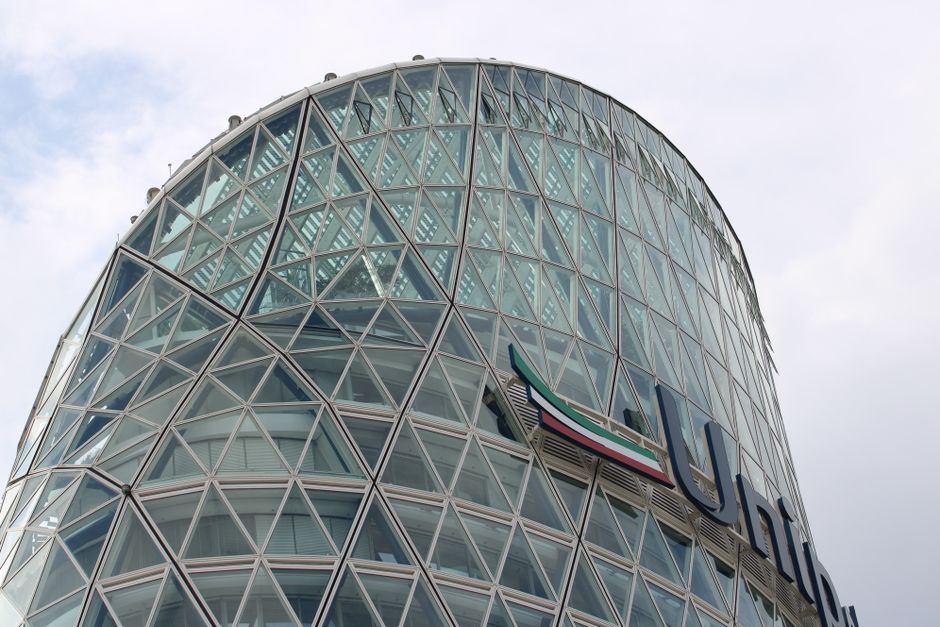
Milan's startup boom faces headwinds as global instability reshapes investment flows
Geopolitical tensions and economic uncertainty are forcing local tech founders to rethink funding strategies and international expansion plans.
Geopolitical tensions and economic uncertainty are forcing local tech founders to rethink funding strategies and international expansion plans.
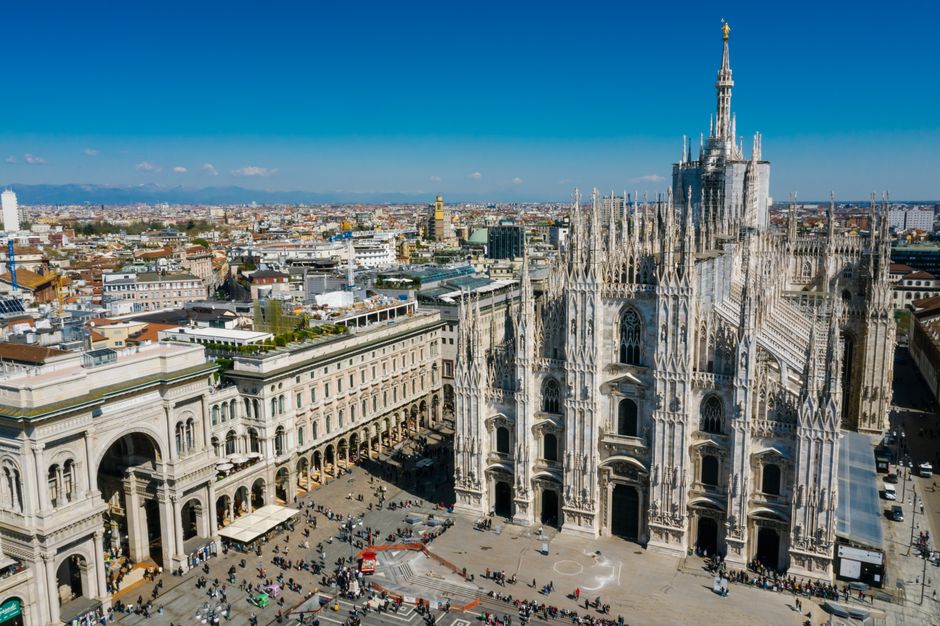
Milan's innovation district, anchored around the Porta Nuova business hub and the thriving startup clusters in Navigli, is confronting an uncomfortable reality: the global turbulence reshaping capital markets is hitting closer to home than many entrepreneurs anticipated.
The past six months have seen a marked shift in venture capital allocation patterns affecting northern Italy's tech ecosystem. American investors, traditionally significant backers of European startups, are increasingly redirecting resources toward domestic opportunities amid political uncertainty and ongoing geopolitical tensions spanning the Middle East, Eastern Europe, and beyond. Meanwhile, Iranian sanctions and trade restrictions have complicated supply chain decisions for Milan-based hardware startups, forcing founders to reassess manufacturing partnerships across Europe.
"We're seeing caution that wasn't there a year ago," explains one established venture capitalist working across the Brera district, where many mid-stage tech firms maintain offices. Investment rounds that once closed in four months now stretch to eight. Early-stage funding remains accessible, but Series A and B rounds—the critical growth stage—face extended due diligence periods as international investors weigh geopolitical risk.
The numbers reflect this reality. Milan's startup funding hit €2.1 billion in 2025, down 18 percent from 2024, according to preliminary data from Italian venture tracking organisations. More significantly, the proportion of foreign capital has contracted from 62 percent to 54 percent over the same period.
Founders are adapting. Companies graduating from Milan's established accelerators—including those mentored through programs at Politecnico di Milano's innovation centres—are increasingly exploring European partnerships rather than immediate US expansion. A handful of promising AI and biotech firms are strengthening ties with German and Swiss investors, seen as more stable amid current uncertainties.
The economic headwinds extend to recruitment. Tech talent from emerging markets, particularly Eastern Europe, represents a significant portion of Milan's startup workforce. Visa complications and regulatory tightening are creating hiring friction at precisely the moment when competition for engineering talent is fiercest.
Yet Milan's fundamentals remain robust. Real estate remains competitive—office space in the Porta Nuova district commands premium rates, yet companies continue leasing—and the city's fashion, luxury goods, and design heritage continue attracting innovative founders tackling problems in these sectors specifically.
The real question facing Milano's innovation leadership isn't whether the ecosystem will survive current headwinds, but whether it can sustain momentum while global capital becomes more selective. The next eighteen months will prove telling.
This article was compiled by AI from the sources linked above and screened before publishing. See our editorial standards.
How does this story make you feel?
Spread the word
About this article
Published by The Daily Milan
Daily brief
Free, in your inbox before 7am. Weekdays.
More in Business