How a Milan Property Pioneer Is Reshaping the City's Office Future
As remote work transforms commercial real estate, one developer's adaptive conversion strategy in Porta Romana is becoming a blueprint for the sector.
As remote work transforms commercial real estate, one developer's adaptive conversion strategy in Porta Romana is becoming a blueprint for the sector.
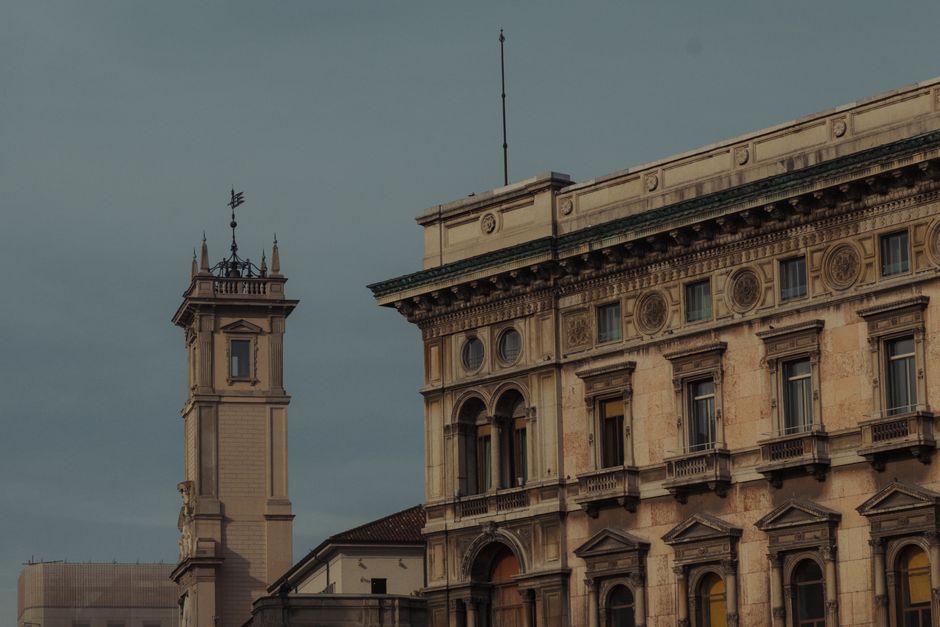
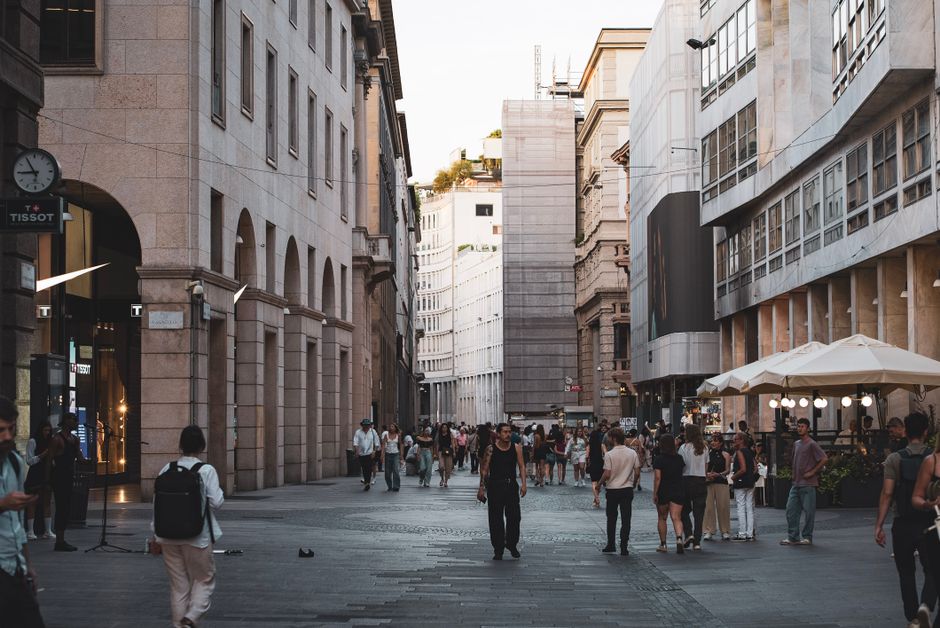
Milan's office market has undergone seismic shifts since 2024, with vacancy rates in traditional business districts climbing to 12 percent—a stark contrast to the pre-pandemic era. Yet in the Porta Romana neighbourhood, where Corso Italia meets Via Nino Bixio, a different narrative is unfolding. Here, the transformation of redundant office stock into mixed-use spaces has become a masterclass in commercial property adaptation.
The trend reflects broader headwinds facing Milan's CBD. Major corporations have embraced hybrid working models, while younger firms gravitate toward the startup-friendly zones around Navigli and Lambrate. Average office rents in the historic centre have compressed to €18–22 per square metre monthly—down from €26 in early 2024—compelling traditional landlords to reinvent their portfolios.
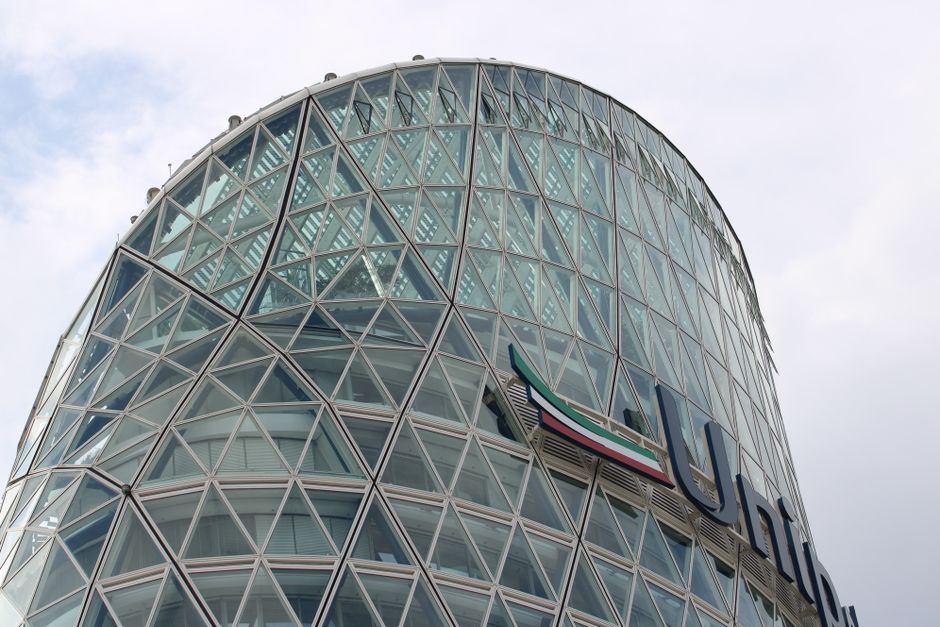
The Porta Romana pivot illustrates a pragmatic response. Rather than holding vacant floors hoping for market recovery, forward-thinking operators have begun converting upper-level office spaces into co-working hubs, tech incubators, and residential units. One particularly visible example involves the adaptive reuse of former finance sector offices into a mixed commercial-residential complex, combining flexible office pods on lower floors with contemporary apartments above.
This model addresses Milan's acute residential demand—property prices in the immediate area have held firm at approximately €8,500 per square metre for quality stock—while simultaneously tackling oversupply in the office sector. The approach has attracted international interest; German and Swiss institutional investors have recently expanded Milan holdings, betting on conversion plays rather than traditional office acquisitions.
Market data supports the strategy's momentum. According to recent assessments from the Lombard Chamber of Commerce, conversions now account for roughly 18 percent of new commercial projects in inner Milan, up from just 4 percent three years ago. Lenders have loosened criteria for such deals, recognising their lower vacancy risk compared to conventional office developments.
The commercial property sector faces ongoing challenges: the European Central Bank's rate stance continues to constrain financing, and supply-chain logistics hubs on Milan's periphery remain more attractive to institutional capital than central office assets. Yet the Porta Romana model demonstrates that adaptability, not asset class rigidity, increasingly defines success in this market.
As mid-size Italian companies decentralise operations beyond Milan, and as the city competes with Rome and Bologna for tech talent, developers who view redundant office buildings as opportunities rather than liabilities are positioning themselves advantageously. The next phase of Milan's commercial real estate story, it seems, will be written not by those who resist change, but by those who architect it.
This article was compiled by AI from the sources linked above and screened before publishing. See our editorial standards.
How does this story make you feel?
Spread the word
About this article
Published by The Daily Milan
Daily brief
Free, in your inbox before 7am. Weekdays.
More in Business