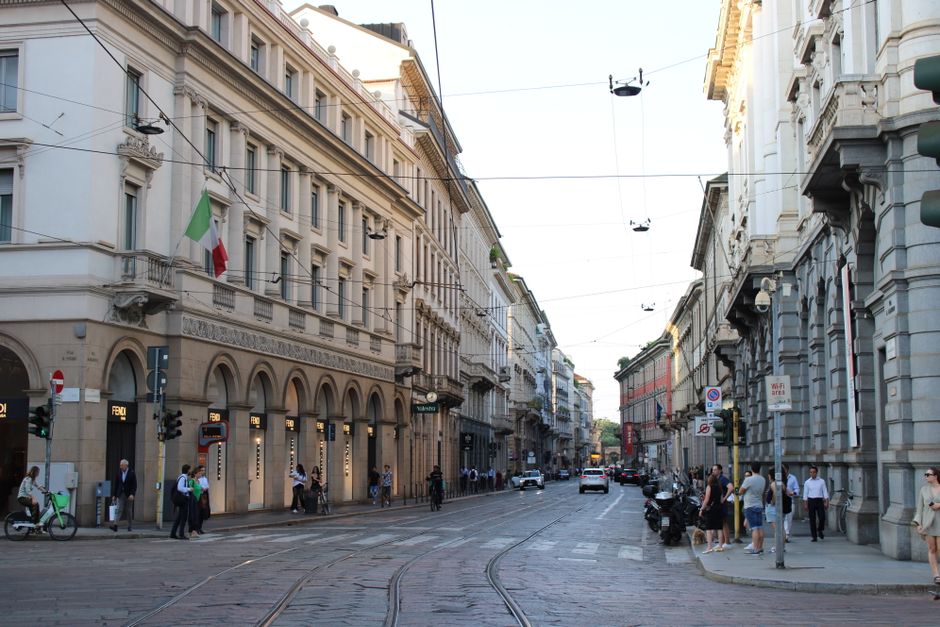
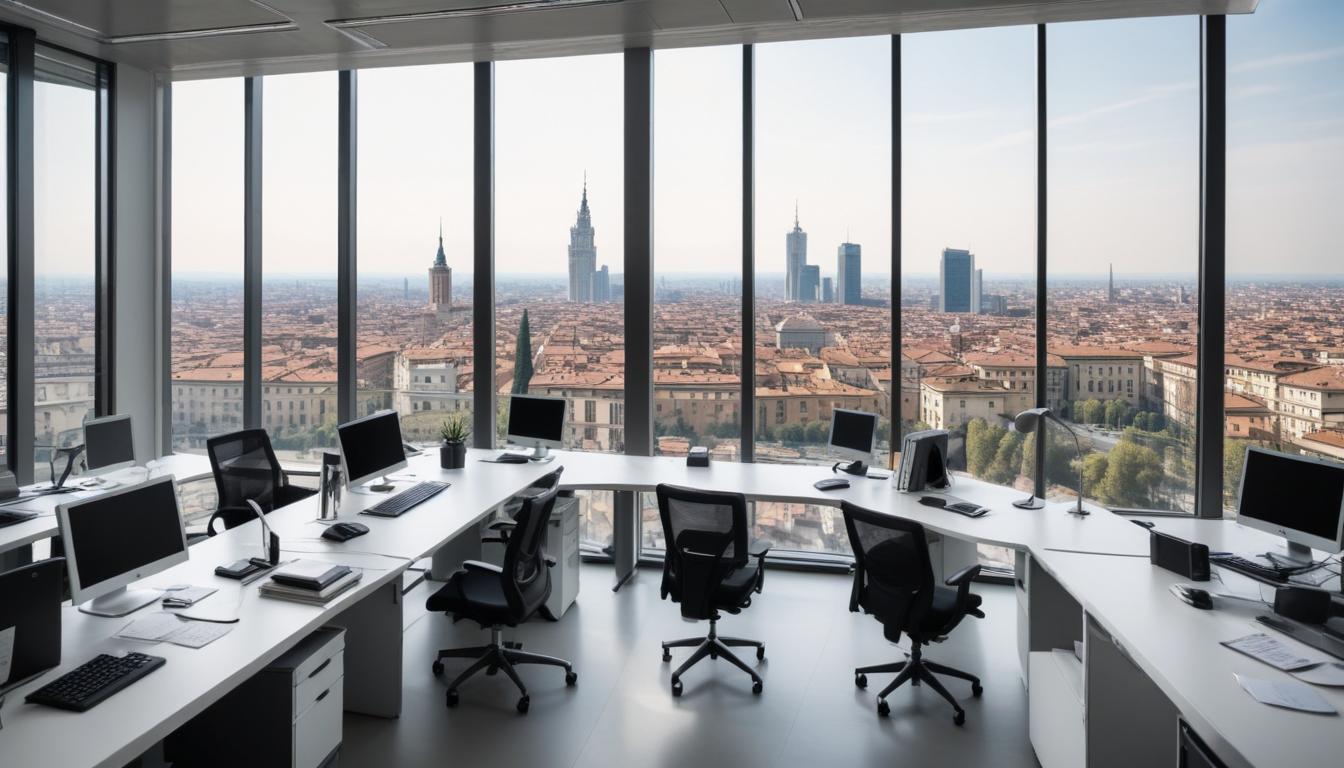
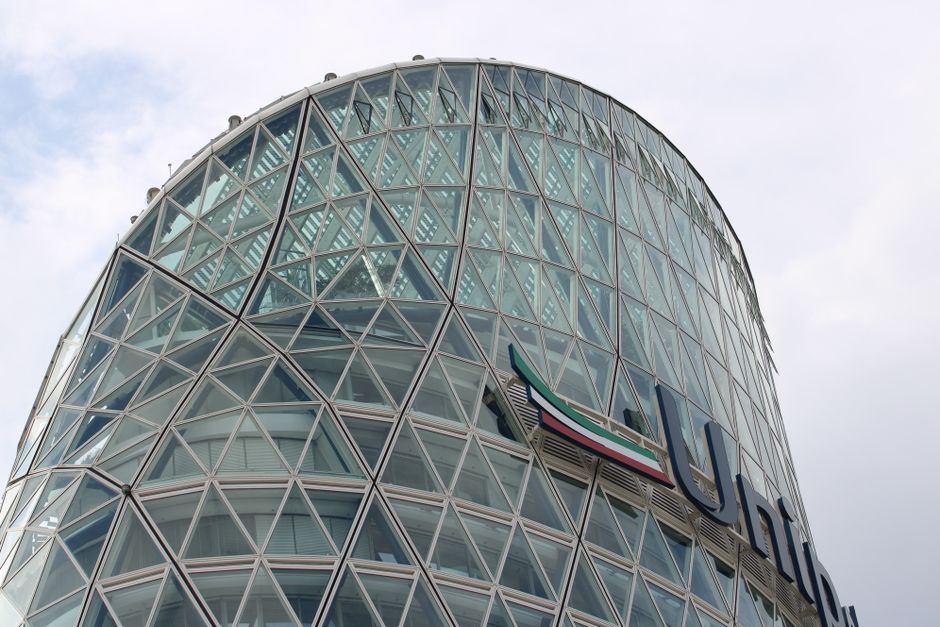
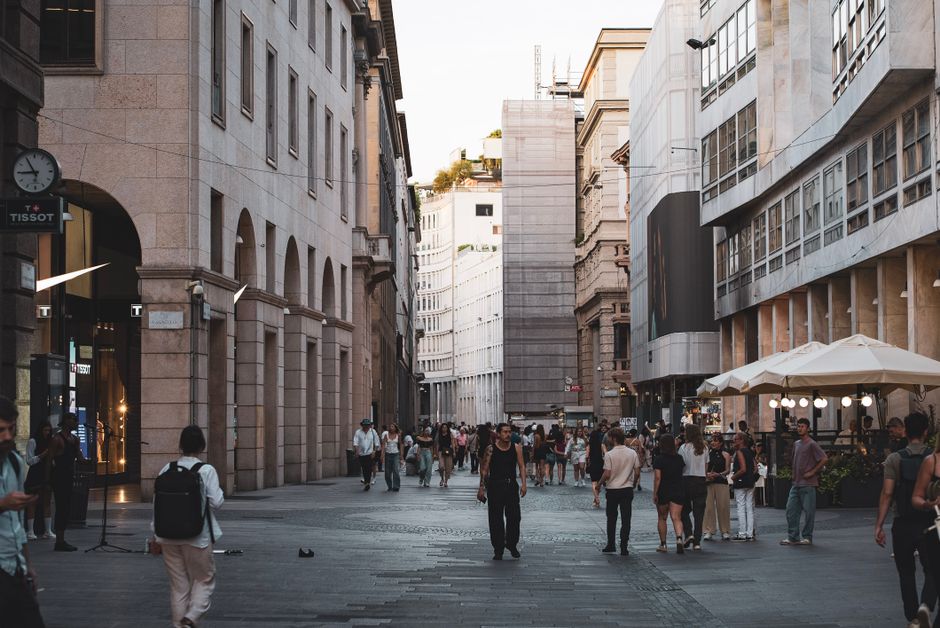
Milan's commercial property market has long orbited around its central business corridors—Porta Nuova, Porta Garibaldi, and the financial heartland near San Babila. But this year, a fundamental shift is underway, driven partly by the vision of one developer who recognised that the post-pandemic office landscape demands a radical rethink.
The transformation is most visible in the Navigli district, where adaptive reuse projects are converting historic warehouses into mixed-use workspace hubs. According to recent data from Colliers Milan, office space in secondary neighbourhoods has appreciated 12 per cent year-on-year, while prime central locations have stalled. Rental rates in Navigli now hover around €18 per square metre monthly—undercutting Porta Nuova's €28-32 range while capturing younger tech firms and creative agencies seeking character alongside connectivity.
This shift reflects broader European trends, but Milan's execution is distinctly local. The success hinges on understanding that Milan's most innovative companies no longer prioritise address prestige over operational flexibility. They want exposed brick, natural light, proximity to the Navigli's restaurants and bars, and collaborative environments that traditional glass towers cannot deliver.
The commercial property market has responded. Investment in Milan's secondary business districts reached €450 million in the first half of 2026, compared to €290 million in the same period last year. Much of this capital is flowing toward Isola, Lambrate, and the emerging tech corridor along Via Torino, areas increasingly favoured by software developers, design studios, and fintech startups.
What distinguishes Milan from competitor cities like Berlin or Barcelona is the speed of this transition. Berlin took five years to shift perception away from Mitte; Milan has achieved similar momentum in eighteen months. This acceleration reflects the city's inherent competitive advantages—excellent transport links via the metro and Centrale station, proximity to Europe's financial markets, and a workforce fluent in multiple languages.
Yet challenges remain. The market's enthusiasm for flexible workspace must be tempered against rising construction costs—materials have increased 8 per cent since early 2025—and regulatory hurdles around conversion permits in historic districts. Some property owners in struggling central locations remain reluctant to invest in repositioning.
Still, the broader trajectory is clear. Milan's commercial real estate future increasingly belongs to those willing to think beyond conventional wisdom, to see potential in overlooked neighbourhoods, and to understand that tomorrow's workers value environment and flexibility as much as location on a prestige index. For a city reinventing itself as a global innovation hub, that realignment may prove far more valuable than any heritage address.
This article was compiled by AI from the sources linked above and screened before publishing. See our editorial standards.