Milan's employment landscape is undergoing a profound shift as the normalisation of remote and hybrid working arrangements fundamentally alters where talent clusters and how businesses compete for skilled workers in 2026.
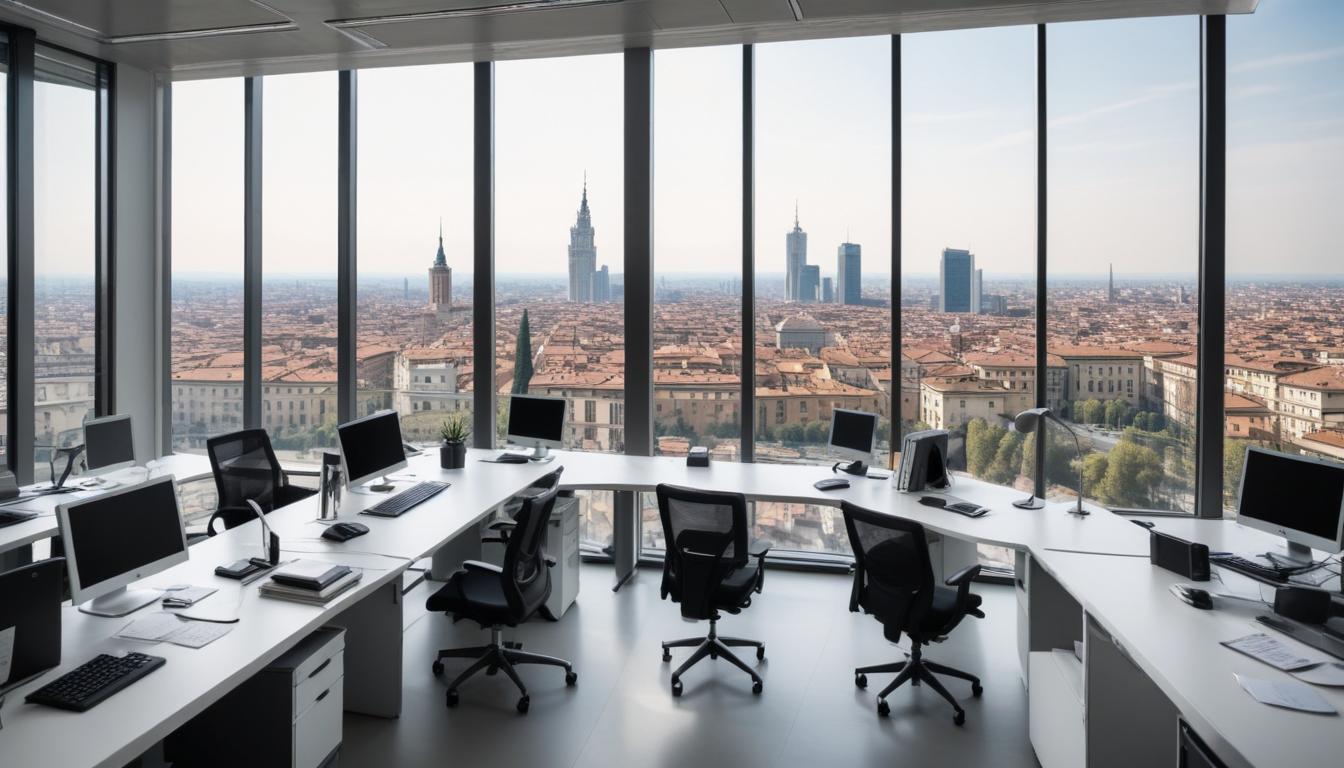
The transformation is most visible in Porta Nuova, where premium office vacancy rates have climbed to 8.2 per cent—double the pre-pandemic figure. Meanwhile, hybrid-flexible arrangements have become non-negotiable for mid-level professionals across finance, design, and software development, with 67 per cent of job postings in the tech sector now explicitly advertising flexible location options, according to analysis of local recruitment platforms.
The shift is reshaping neighbourhoods and business strategy alike. While traditional corporate anchors in the Brera district remain stable, emerging hubs in Isola and Porta Romana are attracting smaller agencies and startups capitalising on lower rents—often 30-40 per cent below central business zones—whilst retaining access to talent pools. Co-working operators report surging demand; spaces like those around Via Torino and Viale Monza are experiencing 92 per cent occupancy rates compared to 76 per cent three years ago.
"We're seeing professionals prioritise flexibility over proximity to headquarters," explains the talent acquisition sector, where Milan-based recruiters report that compensation packages now routinely include remote-work stipends and home office allowances, reflecting heightened competition for experienced hires. Starting salaries for software engineers have risen 12-15 per cent since 2024, driven partly by competition from companies no longer geographically constrained.
The phenomenon extends beyond tech. Fashion houses and design consultancies—Milan's historic strengths—increasingly recruit talent from across Italy and Europe, knowing geography no longer constrains collaboration. This has democratised access to Milan's job market but also intensified wage pressures across sectors, particularly for administrative and junior creative roles where remote competition is fiercest.
However, challenges mount. City planners and business associations express concern about underutilised office stock and reduced foot traffic in traditionally busy districts like the financial quarter near Garibaldi Station. Property investors are recalibrating strategies, with some converting office space to residential use or mixed-use developments.
For jobseekers, the upside is clear: expanded opportunity and flexibility. For employers, the calculus is more complex—reduced real estate costs offset by fiercer talent competition and the need to invest in digital infrastructure and workplace culture. Milan's business ecosystem, historically defined by physical presence and proximity, is learning to compete in an increasingly distributed employment landscape.
This article was compiled by AI from the sources linked above and screened before publishing. See our editorial standards.