Why Milan's Artisan Coffee Boom Matters to Your Morning ...
As independent espresso bars multiply across Navigli and beyond, residents face a choice between tradition and convenience that's reshaping how the city does business.
As independent espresso bars multiply across Navigli and beyond, residents face a choice between tradition and convenience that's reshaping how the city does business.
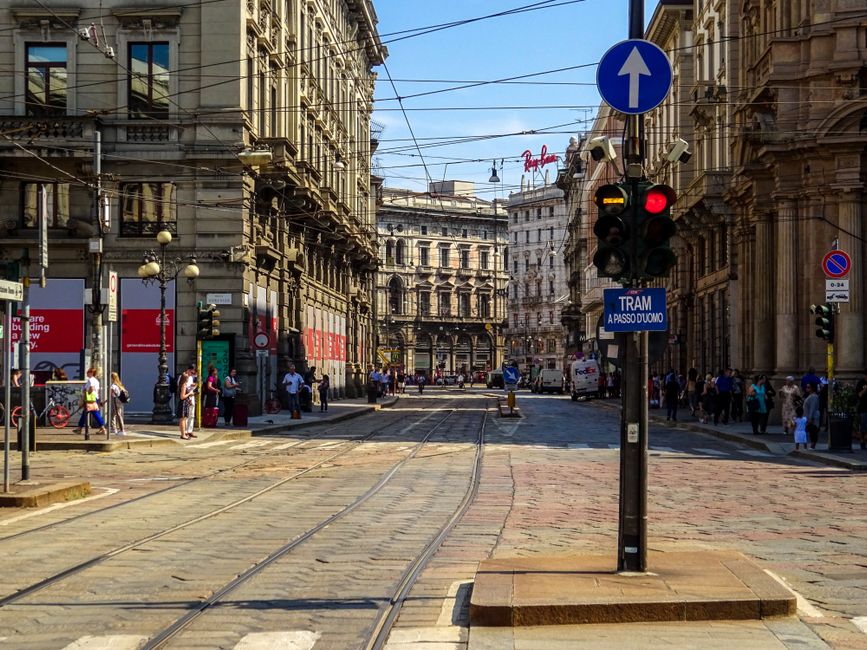
Walk down Via Torino any weekday morning and you'll notice something: the proliferation of small-batch coffee roasters has quietly transformed Milan's caffeine culture. Where chains once dominated, independent operators now claim prime real estate from Brera to Porta Romana, forcing everyday residents to reconsider what they're willing to pay for their daily espresso.
The numbers tell a compelling story. Industry data shows Milan now hosts over 340 independent coffee bars—a 28 percent increase since 2023. Meanwhile, major chains have seen foot traffic decline by roughly 15 percent in central neighbourhoods. For residents accustomed to €1.20 espressos at traditional venues, this shift carries real consequences. A single-origin pour-over at a Navigli artisan roastery runs €4.50 to €6.00. A cortado at a Brera-based specialty bar averages €3.80.
But this isn't merely about price inflation. These entrepreneurs are reshaping supply chains. Most source beans directly from Ethiopian highlands or Colombian microfarms, bypassing traditional Italian importers who've controlled the market for decades. For conscious consumers, this means transparency—you'll find tasting notes and harvest dates on bags. For others, it means disruption of familiar habits.
The practical impact extends beyond taste preferences. Young entrepreneurs opening these spaces—typically aged 28 to 42, according to Milan Chamber of Commerce data—are revitalizing secondary commercial corridors. Via Savona in Zona Tortona and streets around Corso Como have seen rental prices stabilise after years of decline, attracting complementary businesses: vintage furniture shops, independent bookstores, small design studios.
Yet challenges simmer beneath the surface. Rising commercial rents in primary zones like Montenapoleone have pushed newer operators toward less visible locations, requiring residents to actively seek them out. Energy costs remain punitive for small roasters operating their own equipment. Competition has intensified; Milan's coffee market, once sleepy, now features sophisticated competition that demands marketing savvy many traditional artisans lack.
For residents, understanding this shift matters strategically. Supporting independent coffee bars sustains neighbourhood character and local employment—these businesses typically employ 3 to 5 staff members each, often offering apprenticeships to young people entering the hospitality sector. Conversely, premium pricing isn't arbitrary; it reflects genuine operational costs and quality investments.
The question residents face isn't whether change is happening—it's already here. It's whether they view the transformation as gentrification worth resisting or an evolution worth embracing. Either way, Milan's morning coffee decision has become far more complex than it was three years ago.
This article was compiled by AI from the sources linked above and screened before publishing. See our editorial standards.
How does this story make you feel?
Spread the word
About this article
Published by The Daily Milan
Daily brief
Free, in your inbox before 7am. Weekdays.
More in Business