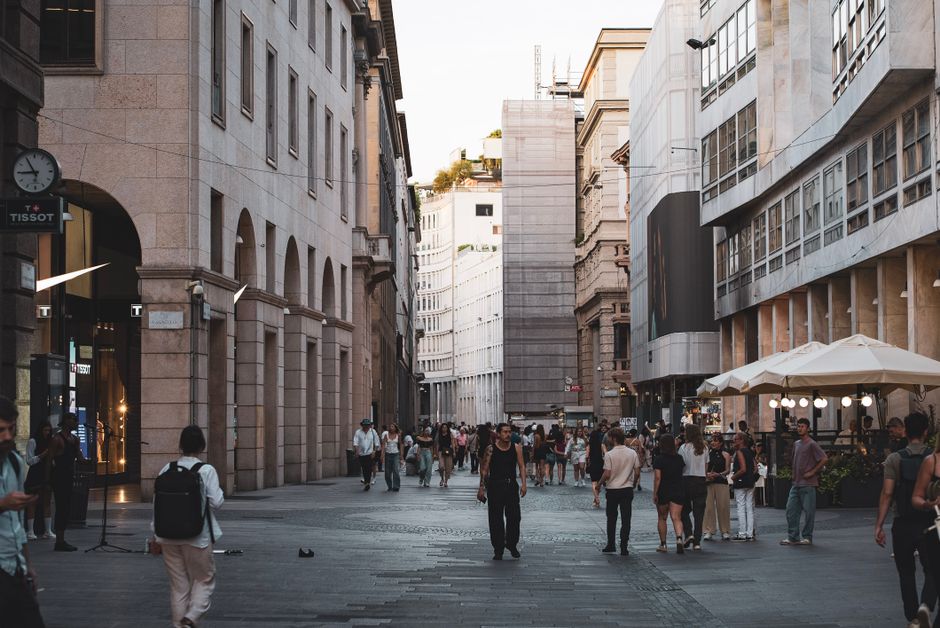
Walk through Navigli on a Saturday evening and the outdoor terraces still buzz with aperitivo crowds—but ask the regulars about their household budgets, and the conversation quickly turns grim. Milan's residents are facing a perfect storm of economic pressures that have made daily life measurably harder this year, with wages stagnating even as the cost of essentials climbs relentlessly.
Rental prices in central neighbourhoods like Brera and Porta Romana have become almost prohibitive. A one-bedroom apartment in these areas now averages €1,200 to €1,500 monthly—up nearly 15 per cent from last year—while salaries for many professionals have barely budged. For young families and service-sector workers, the mathematics no longer works. Many are being forced into the outer zones like Quarto Oggiaro or further afield to Sesto San Giovanni, extending commute times and eating into disposable income.
Energy costs remain a severe headwind. Though less volatile than during the 2022-2023 crisis, heating and electricity bills for Milanese households still run 20 to 25 per cent above pre-pandemic levels. For small businesses along Via Torino and in the Duomo precinct, operating margins have compressed dangerously. Restaurants and independent retailers report that customers are dining and shopping less frequently, opting for cheaper alternatives or simply staying home.
Grocery inflation has proven particularly stubborn. A basket of essentials at Esselunga or Carrefour in the Garibaldi district costs roughly 12 per cent more than twelve months ago, with fresh produce and dairy products leading the increase. Public transport fares have also climbed—a monthly metro pass now costs €39, another burden on commuters already stretched thin.
The squeeze is reshaping social behaviour across Milan's districts. Neighbourhood associations in Porta Ticinese and Isola report growing demand for community food banks and benefit advice services. Meanwhile, some employers in the financial services and fashion sectors report slightly improved retention, having raised salaries selectively—but this advantage remains confined to specialised roles and does little for broader wage stagnation.
The broader challenge for Milan's economy is whether this city can maintain its magnetic appeal to talent and business investment if the cost-of-living trajectory continues unchecked. For now, locals are coping through familiar Italian strategies: tightening household budgets, sharing resources, and hoping that autumn brings some relief. Whether policy interventions will follow remains an open question as the city heads into the second half of 2026.
This article was compiled by AI from the sources linked above and screened before publishing. See our editorial standards.